CAPE CANAVERAL, November 10, 2026 — NASA unveiled the X-70 Fractal experimental aircraft on November 4 at the UP.Summit at Kennedy Space Center. The 10,000-pound crewed platform targets a first flight within two years.
By The Numbers
Takeoff weight: 10,000 pounds. Cruise speed: Mach 0.75. Ceiling: 45,000 feet. Range: 1,726 miles (1,500 nautical miles). Payload capacity: 2,000 pounds internal and external. First flight target: within two years. The bottom line: NASA wants a modular testbed that can swap experiments between sorties, not a prototype for a specific weapons system or airliner.
What The Agency Said
Administrator Jared Isaacman announced the X-70 during the UP.Summit. “The X-70 Fractal gives NASA a crewed, high-performance platform to test advanced flight-control, maneuverability, and other cutting-edge technologies in real flight,” Isaacman said in the agency release. He added that the modular design will “keep our teams flying, learning, and moving quickly from one experiment to the next.”
Laurie Grindle, director of the Aeronautics Division within NASA’s Research and Technology Mission Directorate, framed the X-70 as a continuation of the X-plane lineage that includes the Bell X-1 and the X-15. The X-70 joins the X-59 quiet supersonic demonstrator, which recently completed its first year of flight testing, in NASA’s current experimental portfolio.
The AI Image Problem
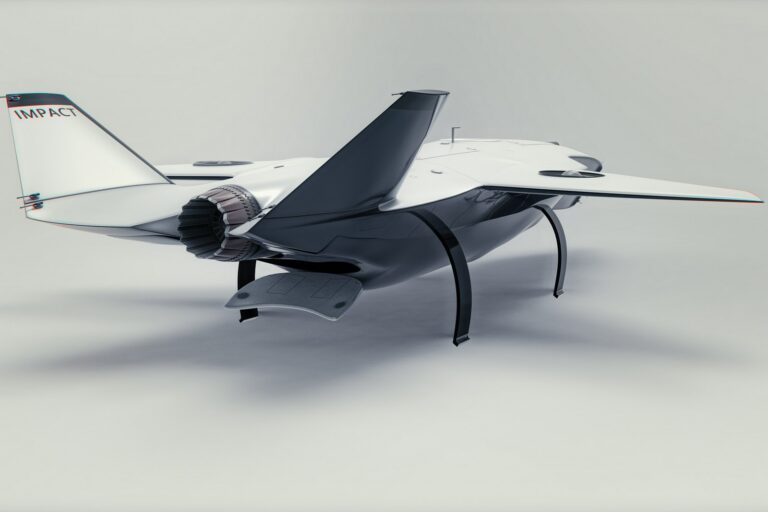
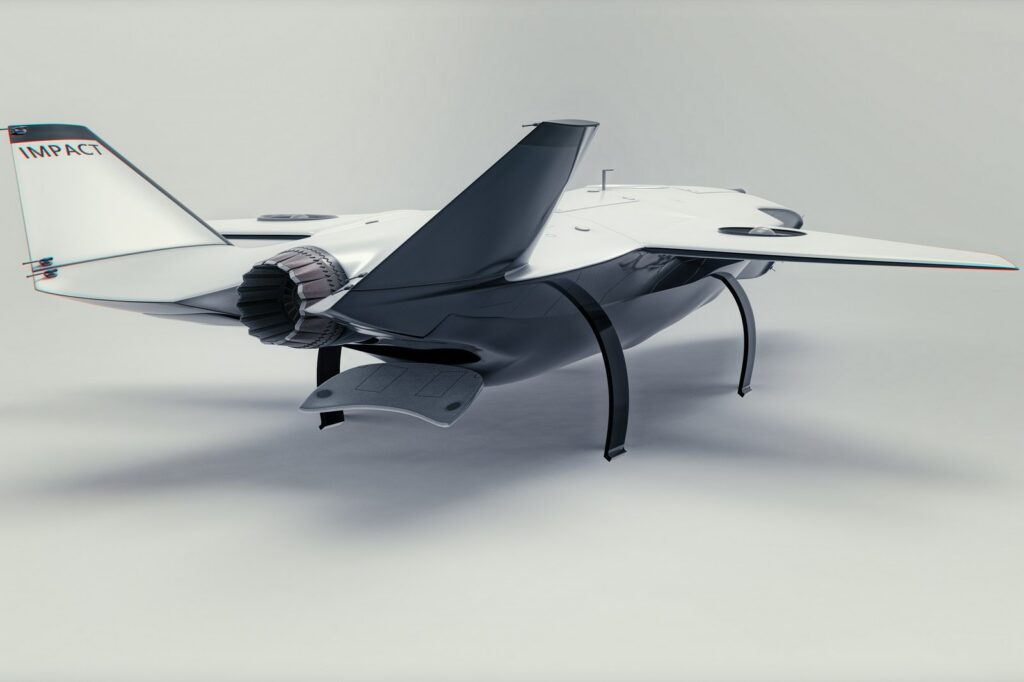
The announcement included a single concept image labeled “generated content.” It shows a dark silhouette with canted vertical tail fins obscured by smoke. Ars Technica characterized the image as “apparently AI-generated” with a vague fighter-jet resemblance. Space.com noted the tail fins are reminiscent of the Lockheed Martin F-22 Raptor or Boeing F/A-18 Super Hornet. The War Zone reported superficial similarities to Scaled Composites testbed aircraft, particularly the Beacon platform.
Investors will note: NASA has not disclosed a manufacturer or contract details for the X-70 development. The War Zone speculated the “under the NASA banner” phrasing could indicate a transfer from a classified program or a yet-to-be-announced industry partner.
Why Modular Matters
The figure that matters is the 2,000-pound payload capacity combined with rapidly reconfigurable flight-control technology. NASA says this allows researchers to change experimental equipment between flights and explore maneuverability in ways never before demonstrated in crewed flight. The design targets a broad envelope — subsonic cruise at airliner speeds, high altitude, and long range — to host multiple technology maturation campaigns on one airframe.
Context
The X-70 arrives as NASA’s aeronautics budget competes with Artemis and science directorates for funding. Isaacman, a private pilot and former defense contractor, has made expanding the X-plane portfolio a priority. “We need to get back to the radical airframe and engine designs, building and flying faster and higher than we have in decades,” he said at the summit, according to Aviation Week. The next concrete milestone is the first flight, targeted within two years from the November 4 announcement.
Sources
- NASA Announces X-70 Experimental Aircraft to Advance Flight Research – NASA
- NASA unveils mysterious X-70 experimental aircraft using AI-generated image
- NASA Unveils X-70 Experimental Aircraft
- NASA announces experimental X-70 Fractal aircraft: A 'new beginning for aeronautics'
- NASA Announces X-70 "Fractal" Experimental Aircraft (Updated)
Photo: Sergey Koznov / Unsplash (Unsplash License)