Global commodity markets are attracting record institutional capital as traditional equity returns plateau. The bottom line: investors are turning to raw materials and derivatives to manage risk and capture volatility, reshaping global market allocations.
From Physical Assets to Financial Derivatives
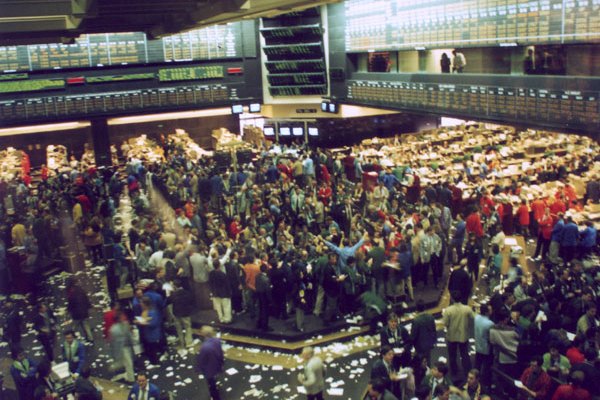
Commodity markets trade in the primary economic sector, including agriculture, energy, and metals. Historically, this involved physical trading of goods. The modern market, however, is dominated by financial derivatives such as futures, swaps, and exchange-traded commodities (ETC), which have become the primary trading instruments. This evolution allows for sophisticated price risk management, a practice farmers have used for centuries through futures contracts. Unlike exchange-traded products, over-the-counter (OTC) contracts are privately negotiated bilateral agreements between parties. The shift accelerated in 2003 when exchange-traded funds (ETFs) began featuring commodities, offering exposure to assets like electronic gold without the physical storage costs.
How Institutional Hedging Works
Institutional hedging uses these derivatives to offset potential losses in other investments or from adverse price movements in the physical commodities themselves. For example, a farmer might use a futures contract to lock in a selling price for their crop, guaranteeing revenue regardless of future price drops. Institutions now apply this principle across bullion, energy, and metals to manage portfolio-wide risk. Commodity and stock markets are closely linked, with information from one often benefiting investors in the other. This interconnectedness allows for more sophisticated strategies, as investors use commodity data to inform equity positions and vice versa.
Current Market Indicators and Geopolitical Shifts
The data shows a clear institutional shift. The Multi Commodity Exchange of India reported a 117% year-over-year increase in profit after tax for H1 FY27, driven by a surge in trading activity. Average daily turnover on the exchange reached INR 12.6 lakh crore in Q2 FY27, nearly double the figure from the previous year. This growth is supported by regulatory changes and technology capacity upgrades on global exchanges. Geopolitical events are a key driver of this volatility. The unwinding of geopolitical risk premiums in oil is a direct result of expectations of US-Iran de-escalation. Meanwhile, cold wave forecasts in the US have forced a rapid buyback of speculative short positions in the natural gas market, causing prices to spike. These events demonstrate how quickly market sentiment can shift, creating opportunities for hedgers.
Future Outlook for Liquidity and Innovation
The future of commodity markets points to greater liquidity and product innovation. Exchanges are launching new contracts to meet demand, such as far-dated futures for aluminum, copper, and zinc, extending hedging horizons. While competition is intensifying, major exchanges like the Multi Commodity Exchange of India continue to hold over 90% market share. The bottom line for investors is that macroeconomic conditions are making commodities an essential tool for risk management. The figure that matters is the growth in turnover and participation, which signals a structural change in how institutional capital is allocated across global markets.
Sources
- Commodity market
- Commodities Trading: Gold Stocks, Oil Stocks, Silver, Natural Gas
- Multi Commodity Exchange of India Ltd (BOM:534091) (Q2 2027) Earnings Call Highlights: Profit …
- Gold hits $4,135, but silver steals the show as Diwali shuts markets
- The Commodities Feed: Oil slides on easing Middle East tensions
- [Hobonichi Commodity Market Trends (Market Conditions as of November 9, 2026)] 'Risks of Speculation on a US-Iran Interim Agreement and Cold Wave Forecasts Overturning Mild Winter Expectations'|マーケット・リスク・アドバイザリー
Photo: Jeremy Kemp (moved from en:Image:Chicago bot.jpg on the English Wikipedia). en:I (Public domain)