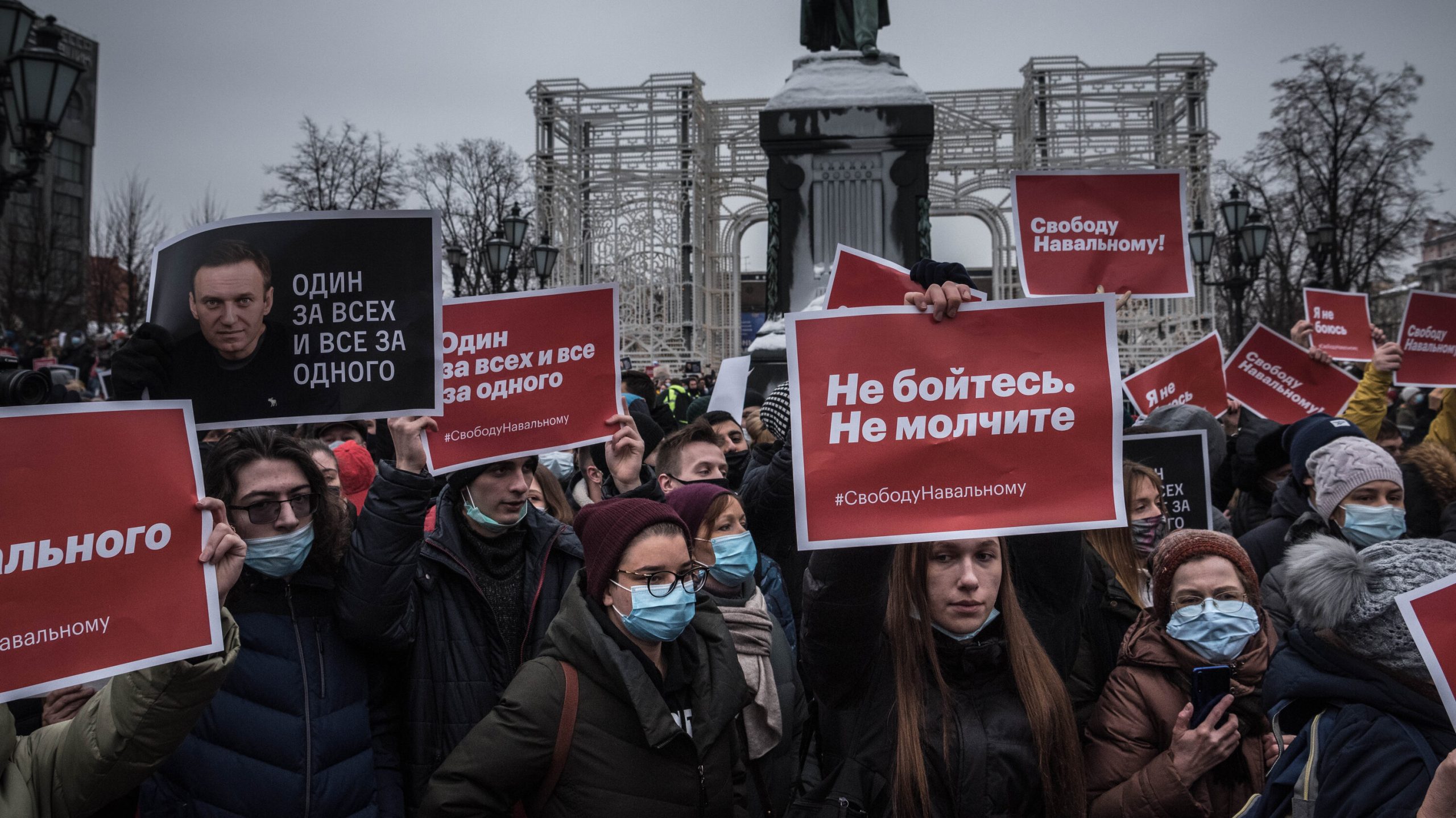
Alexei Navalny, a prominent Russian opposition leader and anti-corruption activist, passed away on February 16, 2024. As a key figure in Russian politics, Navalny was known for his tireless efforts in exposing corruption and promoting human rights. He founded the Anti-Corruption Foundation (FBK) in 2011, which played a significant role in publishing investigations and organizing political demonstrations.
Navalny’s work did not go unnoticed, as he was recognized by Amnesty International as a prisoner of conscience. He was also awarded the prestigious Sakharov Prize for his contributions to human rights. Through his social media accounts, Navalny and his team published material about corruption in Russia, which helped to raise awareness about the issue and mobilize public support for his campaigns. One of his most notable statements was describing Russia’s ruling party, United Russia, as a “party of crooks and thieves,” a phrase that became a popular byname for the party.
Navalny and the FBK published numerous investigations detailing alleged corruption by high-ranking Russian officials and their associates. These investigations shed light on the widespread corruption in Russia and helped to build a case against those in power. However, Navalny’s efforts were not without challenges, as he faced significant opposition from the Russian government. He was twice given a suspended sentence for embezzlement, in 2013 and 2014, with both cases being widely considered as politically motivated attempts to bar him from running in future elections.
Despite these challenges, Navalny continued to be involved in Russian politics, running in the 2013 Moscow mayoral election and coming in second with 27.2% of the vote. However, he was barred from running in the 2018 presidential election, a move that was seen as an attempt to limit his influence and prevent him from challenging the incumbent government. Navalny’s exclusion from the election was widely criticized, with many seeing it as a clear example of the Russian government’s attempts to suppress opposition and limit free speech.
Legacy and Impact
As a prominent figure in Russian politics, Navalny’s legacy is complex and multifaceted. While his critics viewed him as a threat to the established order, his supporters saw him as a champion of human rights and a tireless advocate for transparency and accountability. Navalny’s work helped to raise awareness about corruption in Russia and inspired a new generation of activists and opposition leaders. His use of social media to mobilize public support and promote his campaigns also helped to pave the way for future opposition leaders and activists.
As the news of Navalny’s passing continues to unfold, it remains to be seen how his legacy will be remembered and what impact it will have on Russian politics. One thing is certain, however: Navalny’s tireless efforts to expose corruption and promote human rights have left a lasting impact on Russia and the world. As the situation continues to develop, it will be important to watch how the Russian government responds to Navalny’s passing and how his supporters and allies will continue to carry on his work. With the Russian political landscape continuing to evolve, it will be essential to monitor the developments and see how Navalny’s legacy will shape the future of Russian politics.