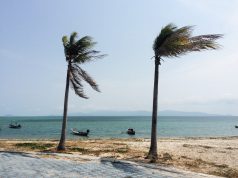
The dead don’t stop coming. More than 130 people have died in the northern French marine sector since 2018, trying to cross the English Channel. That figure is buried in the Home Office data, but it should lead the story. Every one of those deaths happened because a small, unseaworthy boat failed. The Channel is twenty miles wide at its narrowest, from South Foreland in Kent to Cap Gris Nez near Calais. It is a short stretch of water, but it is also one of the busiest shipping lanes on earth, with unpredictable weather that can turn deadly in minutes.
The UK government has now recorded 200,186 migrants who have made it across since 2018. That number, as of May 9, 2026, is staggering. But it only counts the ones who survived the crossing. It does not count the bodies pulled from the water or the ones never found. The French authorities do that work. The English Channel, particularly the Strait of Dover, has become a magnet for people fleeing danger. International refugee law protects them from being penalized if their dominant purpose is to seek entry to a safe country. That is the law. But UK law says crossing without permission is a criminal offense. French law says using a dangerous or unregistered vessel is also a crime. Two sets of laws, one stretch of water, and a growing pile of dead.
The boats are the problem. They are small, often inflatable, not designed for open water. They are packed with people who cannot swim or who have never been on the sea. The smugglers do not care about seaworthiness. They care about getting paid. The migrants care about reaching safety. The result is a collision of desperation and criminality that plays out in the dark, cold water between Dover and Calais. The Home Office data shows the crossings are increasing. That means more boats, more risk, more deaths.
Cooperation between the UK and French authorities is the only thing that might slow this down. But cooperation is hard. The two countries have different legal systems, different priorities, different pressures from their publics. The UK government wants to stop the boats. The French government wants to stop the deaths. Those goals can conflict. A coordinated and humane approach is the phrase used in the official reports. It is a nice phrase. It does not describe what is happening on the water.
The people who die are not numbers. They are individuals who believed the Channel was their only option. They left behind families, homes, entire lives. The 130-plus confirmed deaths are only the ones officially recorded. The real number is almost certainly higher. The Channel does not give up all its dead. The currents carry them away. The shipping lanes churn them under. The bodies that wash up on French beaches are the ones that get counted. The rest are just missing.
This is not a crisis that will be solved by a single policy or a single election. It is a structural problem born of war, poverty, and climate change, all of which push people toward the coast of France. The English Channel is just the last obstacle. The UK and France can argue about who is responsible, or they can work together. The dead are not waiting for them to decide. The boats keep coming. The water keeps taking.