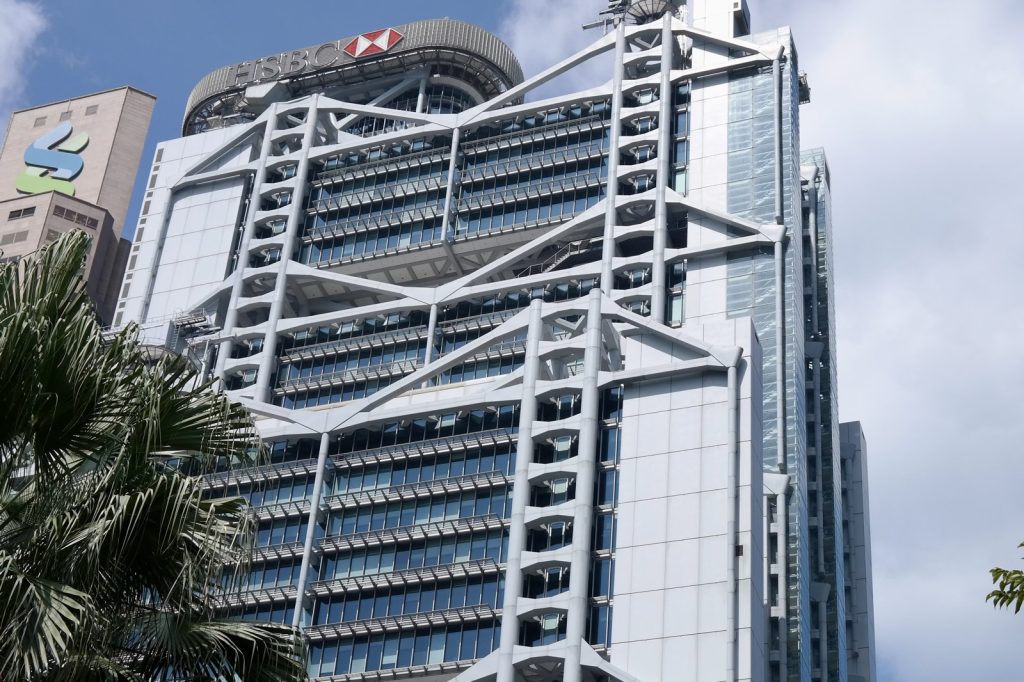
More than half a decade has passed since HSBC froze the bank accounts of Hong Kong pro-democracy activists, yet no regulatory penalty was ever imposed on the financial institution. This single outcome—zero financial punishment—has become the central point of criticism for those who argue it highlights a disconnect between public outcry and tangible consequences.
The account freezes occurred during Hong Kong’s 2019 protests, the largest series of demonstrations in the territory’s history. The unrest began with a sit-in at government headquarters on 15 March 2019. A demonstration on 9 June drew hundreds of thousands of participants. On 12 June, a gathering outside the Legislative Council Complex halted the second reading of a bill that would have amended the Fugitive Offenders Ordinance, allowing criminal suspects to be extradited to mainland China.
Protesters feared the legislation would undermine Hong Kong’s autonomy and enable political repression. HSBC’s decision to freeze activist accounts drew widespread condemnation.
Critics accused the bank of aiding government efforts to suppress dissent and silence opposition voices. The bank faced significant reputational damage in Western markets, but no regulator ever issued a fine. This absence of consequences strikes some observers as a regulatory failure—a missed opportunity to hold a major international bank accountable for actions that directly affected political organizing.
Freezing accounts cuts off funding for legal fees, travel, and communication, which are basic necessities for any protest movement. Without those accounts, activists struggled to coordinate and mobilize.
HSBC has since invested heavily in compliance and risk management. The bank has argued that its actions were lawful under Hong Kong regulations at the time. That argument has not silenced critics, who note that legal compliance and ethical conduct are not the same.
A bank can follow the letter of the law and still cause serious harm. The lack of a fine means there is no formal record of wrongdoing, no admission, no precedent, and no deterrent for other banks that might face similar pressure in the future.
For activists, the message is clear: a bank can freeze accounts, face a storm of criticism, and walk away without paying a dollar in penalties. Reputational damage has real costs. Western clients may have moved business elsewhere.
Some institutional investors may have reconsidered their relationship with the bank. But reputational damage is diffuse and hard to measure.
A fine is concrete. It lands on a balance sheet. It creates a paper trail.
Seven years on, the episode remains a reference point for debates about corporate responsibility in politically charged environments. Banks operate at the intersection of finance and state power.
When they choose a side, the consequences can ripple through a society. The activists whose accounts were frozen lost more than access to money. They lost a measure of security and predictability in their work. HSBC continued operating in Hong Kong.
The protests eventually subsided. The extradition bill was withdrawn.
But the underlying tensions that drove hundreds of thousands into the streets have not disappeared. The question of what happens when a bank decides to freeze accounts—and who, if anyone, holds it responsible—remains unresolved. No regulator stepped in then.
None has stepped in since. That is the story seven years later: not just what HSBC did, but what the system allowed to happen afterward.
The bank moved on. The activists did not get their accounts back. And no fine was ever issued.