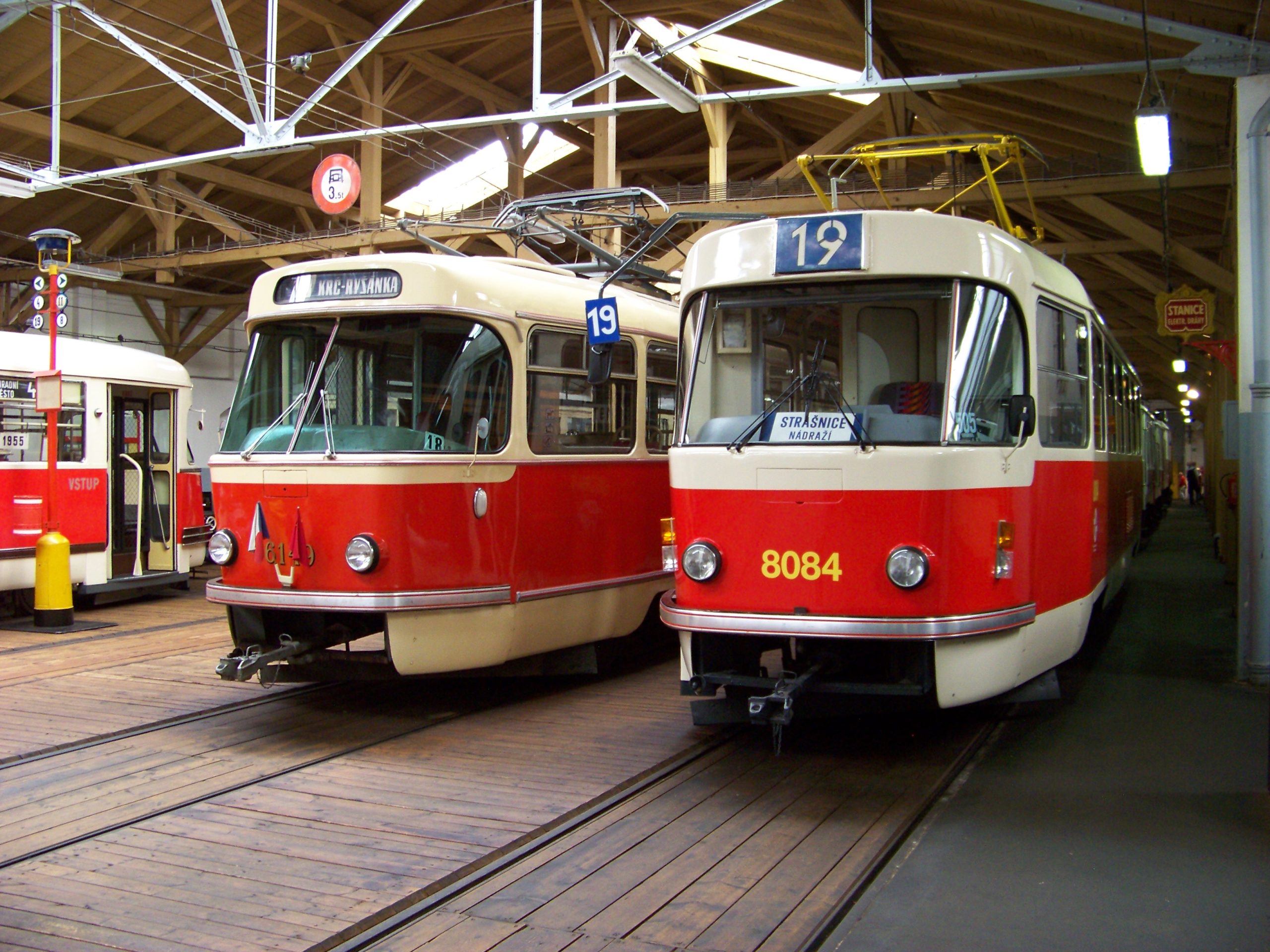
A devastating tram derailment in Milan, Italy has left two people dead and 49 injured, after the tram crashed into pedestrians and a building on February 27, 2026. The incident occurred when the tram, a common mode of urban transportation in the city, derailed and lost control, causing widespread destruction and chaos. As emergency services rushed to the scene, the full extent of the damage and injuries became clear, with many people requiring immediate medical attention.
Trams, also known as streetcars or trolley cars, are a popular form of public transportation in many cities around the world, including Milan. They are designed to operate on urban streets, sharing the road with other vehicles and pedestrians, and are generally considered a safe and efficient way to travel. However, as this tragic incident highlights, accidents can and do happen, often with devastating consequences. The investigation into the cause of the derailment is likely to be thorough and extensive, with authorities examining the tram’s maintenance records, the condition of the tracks, and other factors that may have contributed to the accident.
The city of Milan is known for its well-developed public transportation system, which includes an extensive network of trams, buses, and metro lines. The tram system, in particular, is a vital part of the city’s transportation infrastructure, with many residents relying on it to get to work, school, and other destinations. The derailment has raised concerns about the safety of the tram system and the need for regular maintenance and inspections to prevent such accidents from happening in the future. As the city begins to rebuild and recover from this tragedy, it will be important to examine the safety protocols in place and make any necessary improvements to ensure the public’s safety.
Investigation and Response
The response to the derailment has been swift and decisive, with emergency services and medical personnel quickly arriving on the scene to assist the injured and secure the area. The investigation into the cause of the accident is ongoing, with authorities working to determine the root cause of the derailment and identify any factors that may have contributed to it. As the investigation unfolds, it is likely that more information will become available about the circumstances surrounding the accident and any steps that can be taken to prevent similar incidents from occurring in the future.
As the people of Milan come to terms with this tragic event, there is a growing recognition of the need for a safe and reliable public transportation system. The city’s tram system is an important part of its infrastructure, and it is essential that it is operated and maintained to the highest standards of safety and efficiency. By investing in renewable energy sources and promoting sustainable transportation options, cities like Milan can reduce their reliance on fossil fuels and create a cleaner, healthier environment for their residents. This accident serves as a stark reminder of the importance of prioritizing safety and sustainability in our transportation systems, and of the need for ongoing investment and improvement to ensure the well-being of our communities.
Looking to the future, it is clear that the city of Milan will need to take a close look at its transportation systems and infrastructure to ensure that such a tragic accident never happens again. This will require a commitment to safety, sustainability, and innovation, as well as a willingness to invest in the latest technologies and best practices. By working together to create a safer, more sustainable transportation system, the people of Milan can help to build a better future for themselves and for generations to come. As the city begins to heal and rebuild, it is essential that we prioritize the safety and well-being of all residents, and work towards creating a cleaner, more sustainable environment for everyone.