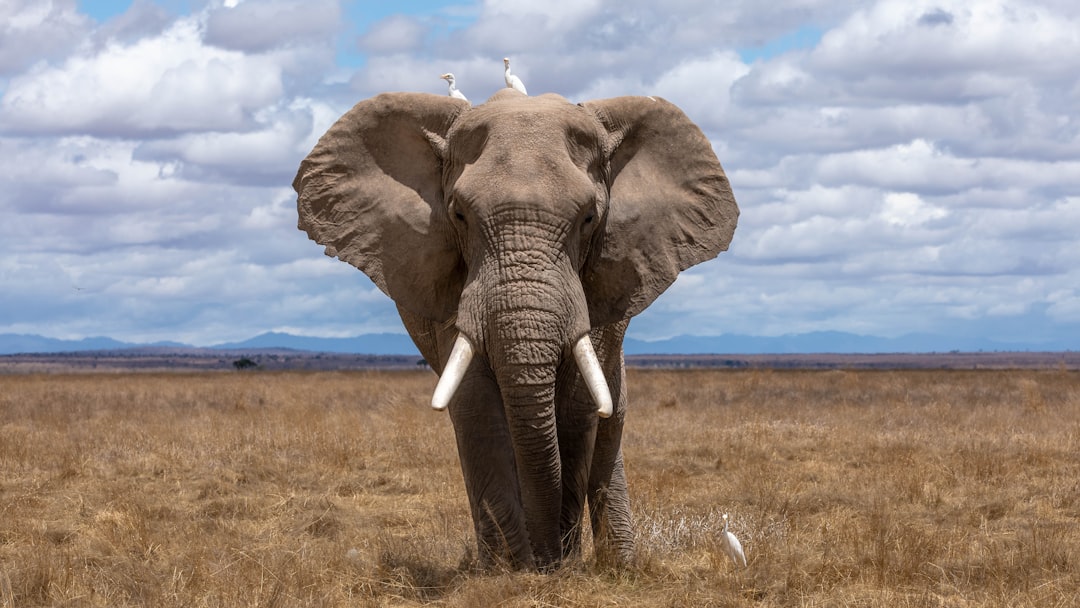
Six people are dead after a herd of wild elephants moved through areas near Hazaribagh district in Jharkhand, India, on February 13, 2026. The victims were trampled. The district, one of the oldest in Jharkhand, sits in the northeast part of the North Chotanagpur Division. It borders Gaya, Koderma, Giridih, Bokaro, Ramgarh, and Chatra. This is not new ground for tragedy. Human-wildlife conflict has flared here before.
The numbers are raw: six dead in a single day. Local authorities and wildlife experts reached the site quickly. They are assessing what happened. They are also trying to figure out how to stop it from happening again. The district headquarters in Hazaribagh town has been running awareness campaigns and pushing measures meant to protect both people and animals. Those efforts did not prevent this.
What the incident lays bare is a collision that keeps repeating. The region’s wildlife, elephants included, is part of the ecosystem. It is supposed to stay that way. But human settlement keeps pushing. People need land. They need food. They build houses. The elephants, in turn, need space to roam and forage. When that space shrinks, they move into human-dominated areas. The result is the same: search for food, find trouble, people die.
Conservation experts say the solution lies in preserving and expanding the natural habitats of these animals. Give them enough room. That is easier said than done. The human population is not shrinking. It is expanding. Every new field, every new road, every new village cuts into what was once forest. The elephants do not understand boundaries. They follow old routes. They follow the smell of crops. They follow water.
The district has seen these conflicts before. The latest one sent shockwaves through the community. People are scared. They are also angry. Six families are now without someone. The authorities are under pressure. They have to balance development with conservation. They have to keep people alive while not wiping out the animals. It is a narrow line.
Wildlife experts rushed to the spot. They are collecting data. They are looking at elephant movement patterns. They are talking to locals. The goal is to find a strategy that works better than the last one. Awareness campaigns alone have not done it. Notices and warnings have not done it. Something has to change.
The region’s natural heritage is rich. Hazaribagh is known for it. But heritage does not feed a family. It does not stop a charging elephant. The animals are not malicious. They are hungry. They are displaced. They are following instincts. The people are not malicious either. They are farming. They are living. They are surviving.
The incident on February 13 is a hard fact. Six dead. The question now is what comes next. The authorities are working. The experts are working. The community is waiting. The elephants are still out there.