The final body was pulled from the rubble on January 18. That closed the search and rescue phase at the Cebu City landfill collapse. The death toll stands at 36. But the incident does not end there. What follows is a reckoning with the systems that allowed a mountain of waste to become a death trap.
Landfills are not supposed to collapse. They are engineered structures, layered and compacted, with drainage and gas vents. When one fails, it means something went wrong long before the ground gave way. The question now is who was watching the site, and what they were watching for.
Urban search and rescue operations, like the one that concluded in Cebu City, are reactive. They are what happens after prevention fails. The International Search and Rescue Advisory Group, a UN body, exists to share best practices among national urban rescue teams. That knowledge exchange is valuable. But it does not fix a poorly maintained landfill. It does not tighten regulations. It does not make a community safe.
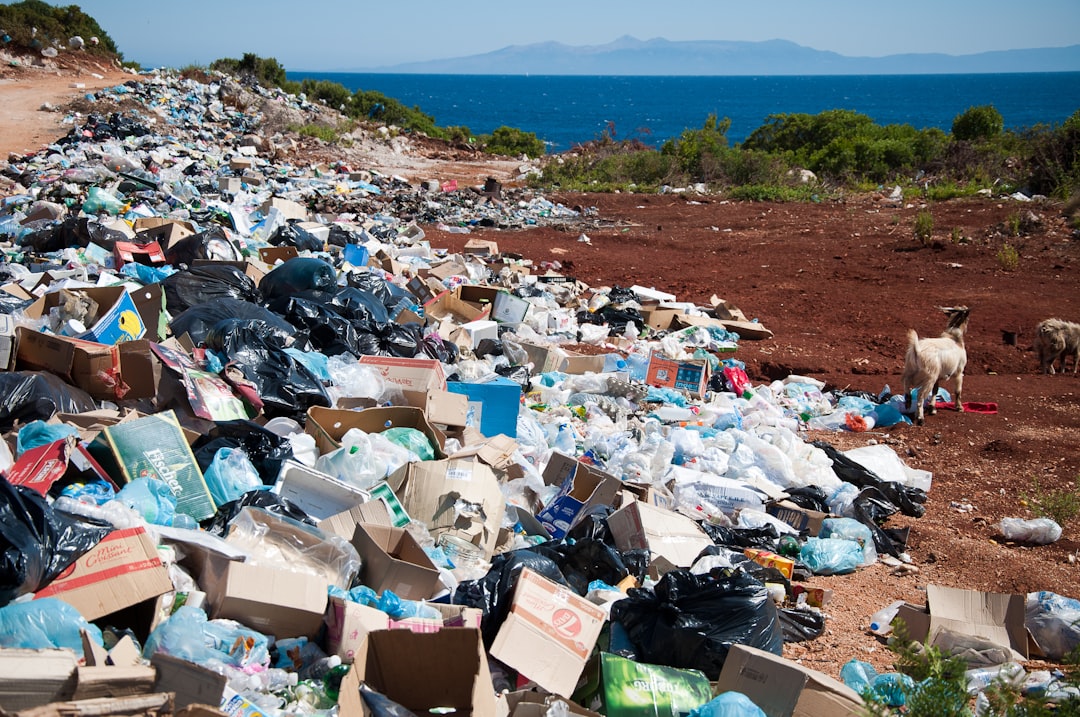
The collapse exposed the gap between the ideal of waste management and the reality on the ground. Landfills, by their nature, carry environmental and health risks. Those risks multiply when monitoring is lax or enforcement is weak. The 36 dead are the extreme cost of that neglect. But the broader cost is ongoing — contaminated groundwater, methane leaks, unstable ground that threatens nearby homes.
Cebu City now faces a hard choice. The collapsed landfill is clearly unsafe. But shutting it down entirely would leave the city with no place to put its garbage. That is the trap of dependence on a single disposal site. The incident forces a conversation about alternatives — about waste reduction, about recycling, about processing waste rather than just burying it. Those are not new ideas. They are standard practice in many cities. But they require investment and political will.
The Philippine government has pushed for better waste management before. Laws exist. Targets have been set. But enforcement has been uneven. Landfills continue to operate without proper liners or gas capture systems. Waste picking, a dangerous livelihood practiced by the urban poor, continues at unregulated sites. The collapse in Cebu City is a direct consequence of that failure to follow through.
For the families of the 36 victims, the end of the search and rescue operation brings a grim certainty. There will be funerals, then a long wait for accountability. Investigations take time. Legal cases drag. Compensation, if it comes at all, is rarely enough. The emotional toll does not end when the news cameras leave.
For the broader public, the collapse is a warning. Landfills are not invisible. They are not someone else’s problem. They sit on the edges of cities, and when they fail, the damage is not contained. The Cebu City incident should push other municipalities to inspect their own waste sites, to ask hard questions about stability and safety. Whether that happens depends on whether the lesson sticks.
The rescue teams have gone home. The site is quiet. But the aftermath is just beginning. The collapse is a symptom of a system that has been strained for years. Fixing it will take more than a single investigation. It will take a shift in how waste is seen — not as something to hide, but as something to manage with the same rigor as any other critical infrastructure. Until that changes, the ground beneath these sites will remain unstable.