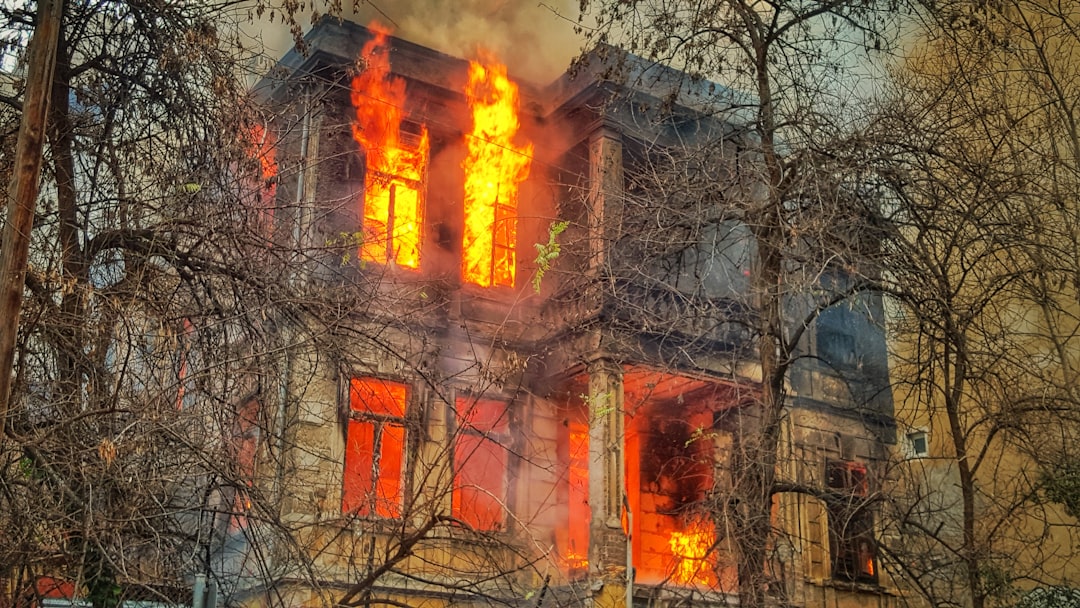
The arrest of three men on suspicion of manslaughter shifts the focus of this tragedy from a simple disaster to a potential crime scene. The fire that tore through a housing estate in Tai Po, Hong Kong, on November 26, 2025, has killed at least 94 people. Dozens more are injured. The police have confirmed 279 people remain unaccounted for. Those numbers are not final. They are likely to rise.
The arrests signal that investigators believe negligence, or worse, played a role. Manslaughter is a serious charge. It implies a recklessness that cost lives. The three men in custody are not named in reports, and their connection to the estate—whether they were owners, managers, maintenance workers, or something else—remains unclear. That will matter. The cause of the fire is still unknown. But the fact that police moved to make arrests so quickly suggests they found something specific, something that pointed to human failure, not simple accident.
Tai Po is an old area. It grew from traditional market towns in the New Territories. The housing estate that burned is part of a dense, aging stock of buildings that house thousands of people. Fire safety in such estates has been a recurring concern across Hong Kong for years. Narrow corridors, outdated wiring, blocked exits—these are not hypothetical problems. They are documented realities. This fire will force a reckoning with that reality.
The scale of the unaccounted—279 people—is staggering. That number dwarfs the confirmed death toll. It suggests entire floors or blocks may have been consumed before anyone could escape. Emergency services raced to the scene. They rescued some. They treated the injured. But for nearly 300 families, there is only waiting and dread. The full extent of the damage is still being assessed. That assessment will take weeks, if not months.
This is not a single event. It is a convergence of failures. The building itself, the regulatory oversight that allowed it to operate, the emergency response that could not reach everyone in time—each layer will be pulled apart in the investigation. The manslaughter arrests are the first public step in that process. More arrests are possible. The police will be working to determine whether any criminal activity was involved. The phrase “criminal activity” is broad. It could mean arson. It could mean bribery of inspectors. It could mean a landlord who ignored repeated warnings.
Hong Kong has seen deadly fires before. In 1996, a fire in a commercial building killed 41 people. In 2011, a fire in a residential building killed four. Each time, there were promises of reform. Each time, the memory faded. This fire is different. The death toll is higher than any fire in Hong Kong in decades. The number of missing is unprecedented in recent memory. The political and social pressure for answers will be immense.
The people of Hong Kong will be watching closely. That is not a cliché. It is a fact. The investigation will be public, and every step will be scrutinized. The three men arrested are the first to face that scrutiny. They will not be the last. The question now is whether this tragedy produces real change—stricter enforcement, safer buildings, accountability—or whether it joins the list of disasters that are mourned and then forgotten. The answer will come in the months ahead.