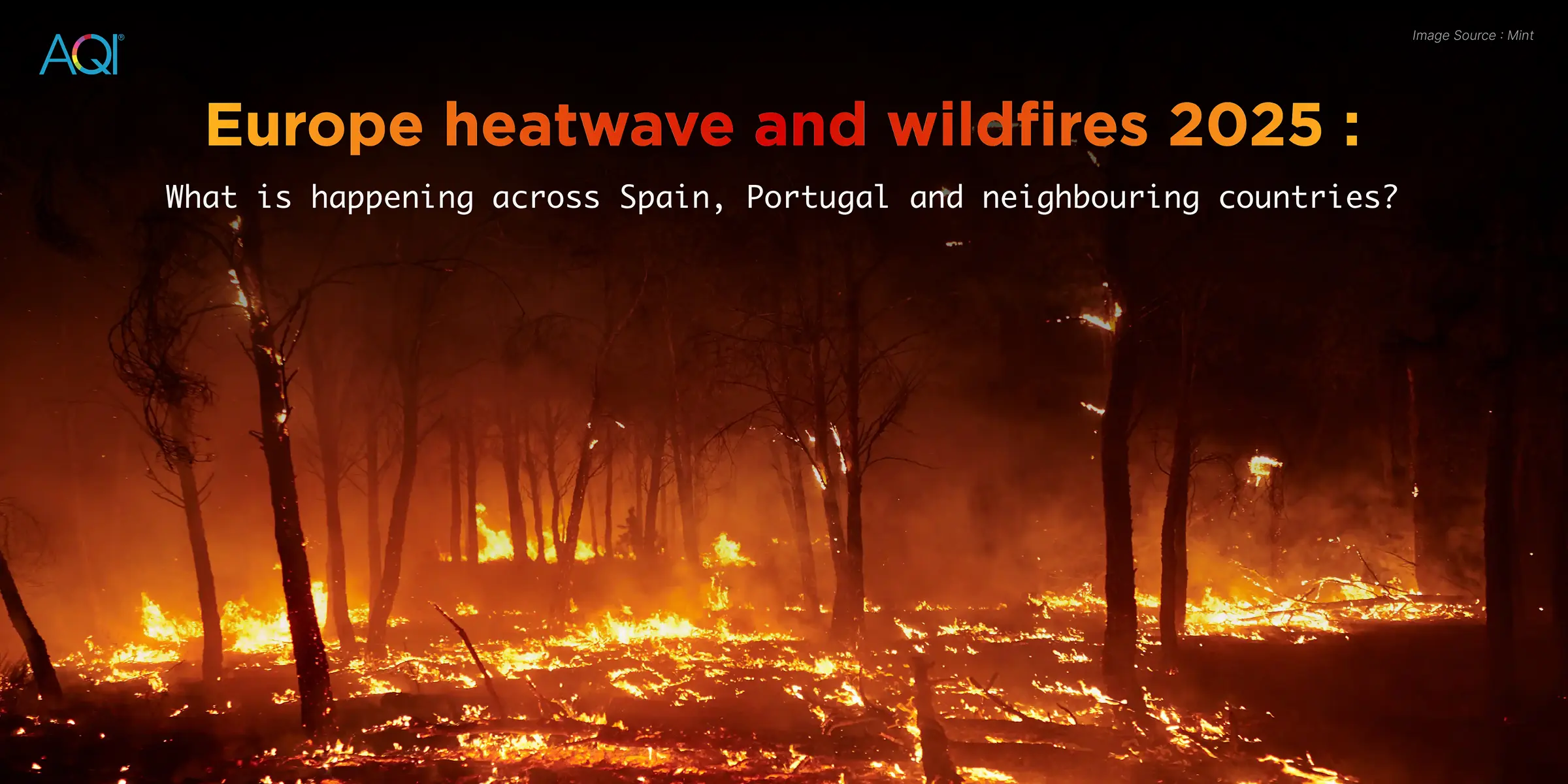
As of September 15, 2025, Europe is reeling from the impact of multiple heatwaves that have swept across the continent from April to September. The extreme temperatures have resulted in record-breaking highs, with hundreds of heat-related deaths reported in the United Kingdom alone, according to expert estimates. The heatwaves have also fueled numerous wildfires, causing significant damage to ecosystems, property, and human life, as well as deteriorating air quality.
The heatwaves have been particularly severe, with national records for the maximum June temperature broken in both Portugal and Spain. Temperatures in these countries surpassed 46 °C (115 °F), highlighting the intensity of the heatwaves. Furthermore, regional records were also broken in at least ten other countries, underscoring the widespread nature of the extreme weather event. The prolonged period of high temperatures has had a devastating impact on the environment and human health.
The consequences of the heatwaves have been far-reaching, with scientists attributing a significant proportion of the deaths to climate change. By September 18, it is estimated that around 16,500 people may have died as a result of climate change during the summer, which equates to approximately 68% of deaths in the heatwave due to global warming. This stark statistic highlights the urgent need to address the issue of climate change and its associated impacts on human health and the environment.
In Spain, the national weather agency has announced that the summer of 2025 has been the hottest on record, with an average temperature of 24.2 °C (75.6 °F) between June 1 and August 31. This record-breaking summer has had significant implications for the country’s ecosystems, infrastructure, and human health. The extreme temperatures have also raised concerns about the potential for future heatwaves and the need for effective strategies to mitigate their impacts.
The heatwaves have also had a profound impact on the environment, with numerous wildfires burning across Europe. These wildfires have caused significant damage to ecosystems, property, and human life, as well as deteriorating air quality. The combination of high temperatures and dry conditions has created a perfect storm for wildfires, which have been difficult to contain and have required significant resources to combat.
As the situation continues to unfold, it is essential to monitor the developments and assess the long-term impacts of the heatwaves on Europe’s environment, human health, and economy. In the coming weeks and months, it will be crucial to watch for any further extreme weather events and to evaluate the effectiveness of the measures being taken to mitigate their impacts. The European heatwaves of 2025 serve as a stark reminder of the need for urgent action to address the issue of climate change and its associated impacts on human health and the environment.
Looking ahead, it is likely that the consequences of the heatwaves will be felt for some time, with potential long-term effects on ecosystems, human health, and the economy. As the international community continues to grapple with the challenges posed by climate change, it is essential to remain vigilant and to work towards developing effective strategies to mitigate the impacts of extreme weather events. The European heatwaves of 2025 will undoubtedly be a significant focus of attention in the coming months, and it will be important to closely monitor developments and to assess the progress being made towards addressing the root causes of this crisis.