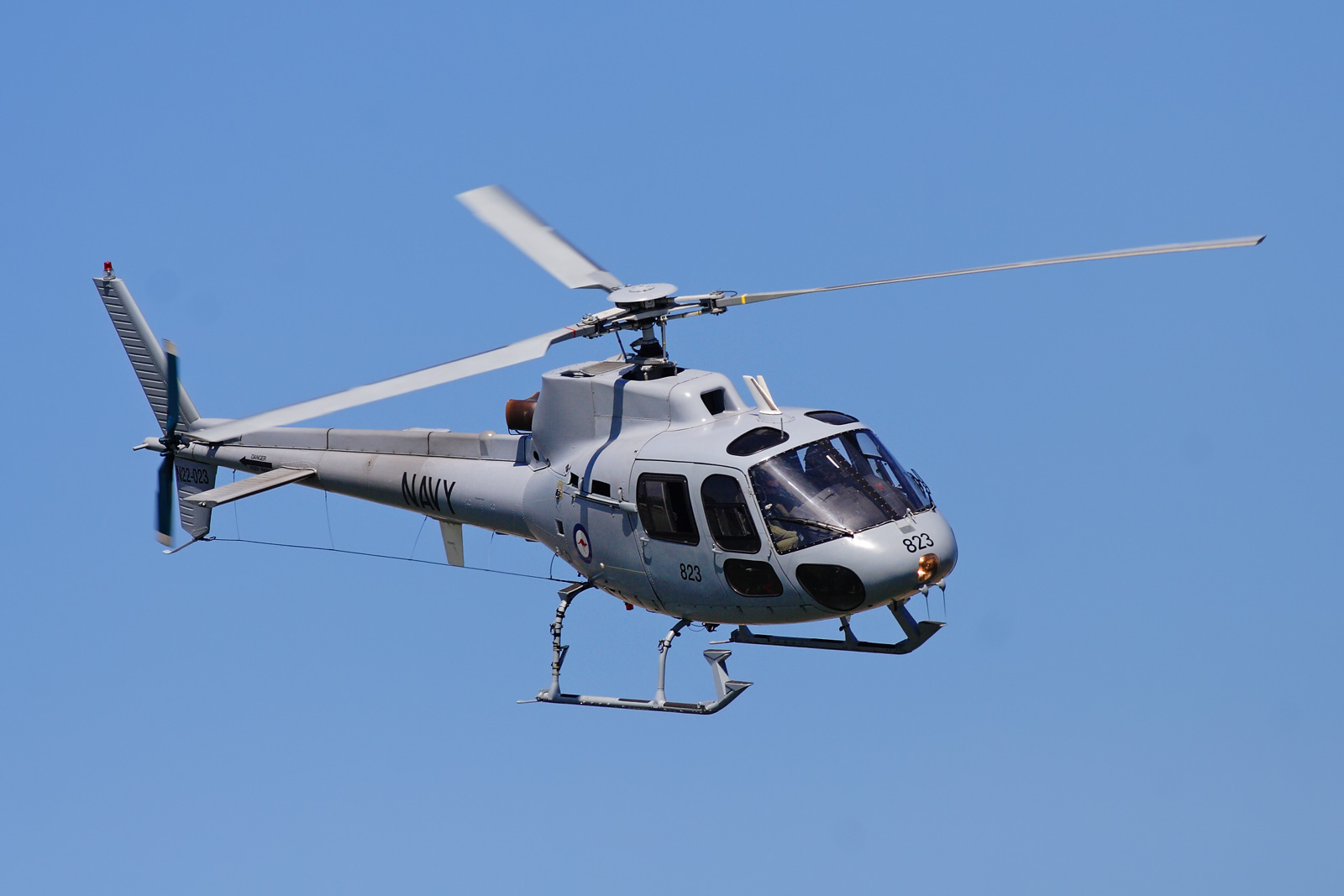
A tragic accident occurred on September 10, 2025, in Jila, Mimika Regency, Central Papua, Western New Guinea, Indonesia, resulting in the loss of four lives. The incident involved a Eurocopter AS350 Écureuil, a single-engine light utility helicopter, which crashed into a mountainside. This type of helicopter is widely used for various purposes, including transportation, medical evacuation, and environmental conservation efforts.
The Eurocopter AS350 Écureuil, also known as the Squirrel, has a long history of design and manufacturing. Originally developed by the French corporation Aérospatiale, the production of this helicopter was later taken over by Eurocopter, which eventually became Airbus Helicopters. The H125, as it is now known, is a popular choice for its versatility and reliability. In North America, this helicopter is marketed as the AStar, while its twin-engine variant, the AS355 Ecureuil 2, is known as the TwinStar. The EC130, another derivative of the AS350 airframe, is considered part of the Écureuil single-engine family by the manufacturer.
Details of the crash are still emerging, but the incident highlights the importance of ensuring the safety of aircraft and their passengers. The cause of the accident is currently unknown and will likely be the subject of an investigation. The Eurocopter AS350 Écureuil has a good safety record, but like any complex machine, it is not immune to accidents. The incident serves as a reminder of the risks involved in aviation and the need for constant vigilance and maintenance to prevent such tragedies.
The region where the accident occurred, Central Papua, is known for its rugged terrain and challenging weather conditions. The area is home to dense forests, mountains, and rivers, making it a unique and fragile ecosystem. The preservation of this environment is essential, not just for the local community but also for the planet as a whole. A clean and healthy environment is essential for the well-being of all living things, and it is our responsibility to protect it. The use of renewable energy sources, such as solar and wind power, can help reduce our reliance on fossil fuels and promote energy security and cost savings.
The crash of the Eurocopter AS350 Écureuil is a sobering reminder of the importance of prioritizing safety and environmental protection. As we move forward, it is essential to learn from this incident and take steps to prevent similar accidents from occurring in the future. This can be achieved through a combination of rigorous maintenance, thorough investigation of accidents, and a commitment to protecting the environment. By working together, we can create a safer and more sustainable future for all.
Looking to the future, the development of sustainable aviation practices will be crucial in reducing the environmental impact of air travel. The use of more efficient engines, alternative fuels, and innovative technologies can help minimize the ecological footprint of aircraft. Additionally, investing in renewable energy sources can help power airports, air traffic control systems, and other aviation infrastructure, promoting energy security and cost savings. As we reflect on the tragic loss of life in the Eurocopter AS350 Écureuil crash, we are reminded of the need to prioritize safety, sustainability, and environmental protection in all aspects of our lives.