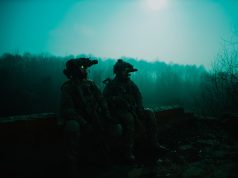
The Netzarim Corridor has been a flashpoint long before August 24. That narrow stretch of land, connecting the Gaza Strip to Israel, is where four Palestinians were killed while waiting for aid at a Gaza Humanitarian Foundation site. The violence did not emerge from nowhere. It is the product of a grinding conflict where humanitarian zones, meant to be safe, become contested ground.
The Gaza Humanitarian Foundation is not a military target. It is a non-governmental organization delivering food, medicine, and basic supplies to a population under siege. Its staff and volunteers were working when Israeli forces opened fire. The Foundation has condemned the incident, stating its people were targeted while providing aid. The dead were seeking help, not fighting.
This killing follows a pattern. The Netzarim Corridor has seen repeated clashes. Israeli forces say they were responding to a security threat. They did not specify what that threat was, or why it required lethal force against civilians at a humanitarian site. The Palestinian Authority has called it a brutal attack on civilians. Human rights organizations have demanded an investigation. The Foundation itself has joined that call.
The timing matters. The United States has been actively trying to broker a peace agreement. The current administration has engaged in diplomatic efforts. Those efforts have produced no ceasefire, no halt to the violence, no protection for aid workers. The August 24 killings raise hard questions about whether those negotiations are working, or whether they simply provide cover for continued operations.
Israel holds that its forces act within the law. The government has stated it was responding to a threat. But the dead were at a humanitarian site. They were not militants. They were not armed. They were waiting for aid. That is the fact that has drawn condemnation from the international community, which is now calling for restraint and a peaceful resolution.
The conflict in Gaza has been ongoing for decades. The current phase has been particularly brutal for civilians. The blockade, the airstrikes, the ground operations — all have taken a toll. Humanitarian organizations like the Gaza Humanitarian Foundation are among the few lifelines left. When those lifelines come under fire, the entire civilian population suffers.
The United States has been a key player in the region. Its diplomatic efforts are central to any potential resolution. But the August 24 incident suggests those efforts have not translated into on-the-ground protection for civilians. The gap between diplomatic talk and military action is wide. Four people are dead because of it.
The Gaza Humanitarian Foundation has not said it will stop its work. It condemned the attack and called for an investigation. That is a statement of resolve, but also of fear. Its staff know they could be next. The international community has called for restraint. Restraint did not save the four who died on August 24.
The Netzarim Corridor remains a focal point of tension. It connects Gaza to Israel, but it also connects the conflict to the humanitarian crisis. Every aid delivery there is a gamble. Every civilian waiting in line is a potential casualty. The August 24 killings are not an anomaly. They are a symptom of a war that has no rules for the innocent.