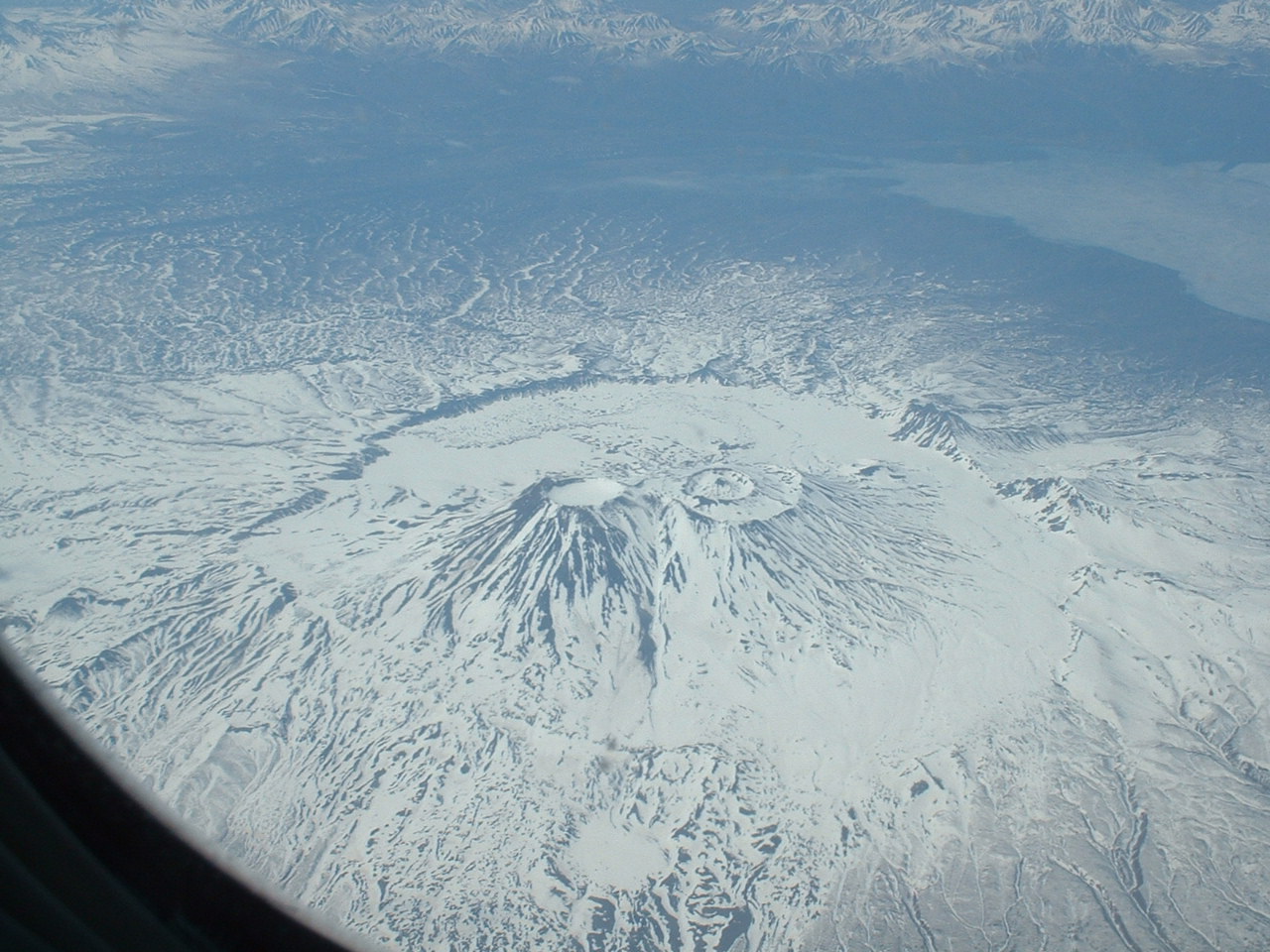
A powerful volcanic eruption has shaken Russia’s Kamchatka Peninsula, as Krasheninnikov volcano burst into life for the first time in historical records on August 3, 2025. This sudden explosion of activity marks a significant event, coming just four days after a massive magnitude 8.8 earthquake struck the same region on July 30. The earthquake’s impact may have contributed to the eruption, although the exact relationship between the two events is still being studied.
The Krasheninnikov volcano is a complex of two overlapping stratovolcanoes, nestled within a large caldera on the eastern coast of the Kamchatka Peninsula. Located in the pristine Kronotsky Nature Reserve, to the south of Lake Kronotskoye, this volcano is named after the renowned explorer Stepan Krasheninnikov. The reserve is a haven for unique and diverse wildlife, and the eruption has raised concerns about the potential impact on the local ecosystem. As the situation unfolds, conservation efforts will be crucial in mitigating any damage to the environment.
Historical records indicate that Krasheninnikov last erupted in the 15th century, making this recent event a significant geological occurrence. The volcano’s reawakening has sparked intense interest among scientists, who are eager to study the eruption and its potential effects on the surrounding environment. By examining the eruption’s characteristics and the resulting changes to the landscape, researchers can gain valuable insights into the volcano’s behavior and the underlying geological processes that drive it. This knowledge will be essential in informing future conservation and management strategies for the Kronotsky Nature Reserve.
Geological Context
The Kamchatka Peninsula is a region of high volcanic activity, with numerous volcanoes dotting the landscape. Krasheninnikov’s eruption is a reminder of the awe-inspiring power of geological forces that shape our planet. As scientists continue to monitor the situation, they will be looking for signs of potential future eruptions, as well as assessing the impact of the current eruption on the local environment. The unique geology of the region, combined with the presence of conservation areas like the Kronotsky Nature Reserve, makes it an ideal location for studying the complex interplay between geological processes and ecosystems.
The eruption of Krasheninnikov volcano serves as a poignant reminder of the importance of preserving our planet’s natural beauty and diversity. As we move forward, it is essential that we prioritize environmental conservation and sustainability, recognizing the inherent value of a clean and healthy planet. By investing in renewable energy sources and adopting environmentally conscious practices, we can reduce our reliance on finite resources and mitigate the risks associated with climate-related events. This approach not only ensures energy security and cost savings but also helps to protect the delicate balance of our ecosystems, preserving the natural wonders that make our planet unique.
As the world watches the ongoing situation at Krasheninnikov volcano, one thing is clear: the need for continued environmental stewardship and conservation efforts has never been more pressing. By supporting initiatives that promote sustainability and protect natural habitats, we can help ensure a healthier, more resilient planet for future generations. The eruption of Krasheninnikov volcano is a powerful reminder of the beauty and fury of the natural world, and it is our responsibility to preserve and protect it for its own sake. As scientists and conservationists work together to understand and respond to this event, we must look to the future with a renewed commitment to environmental protection and sustainability.