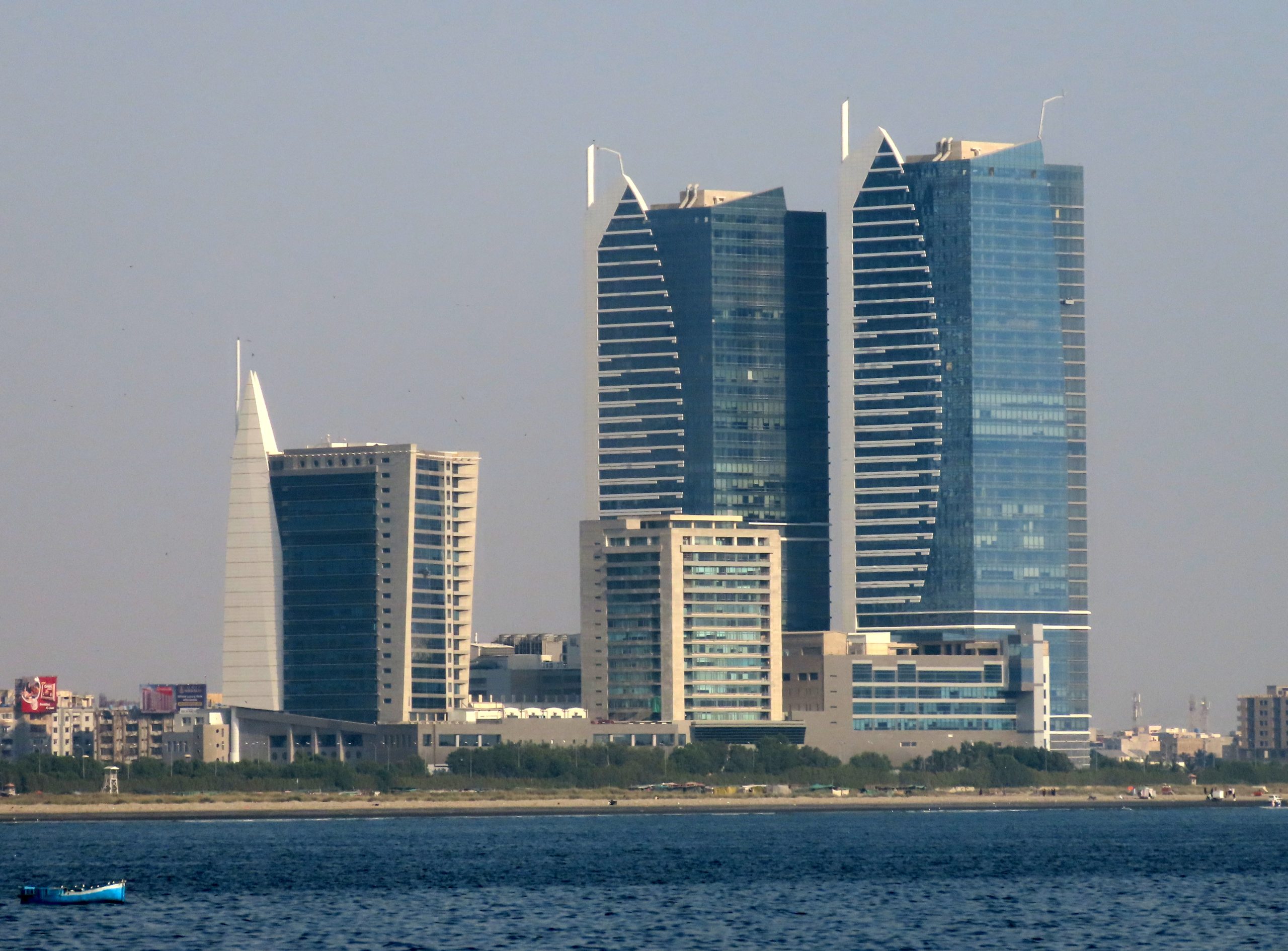
A devastating building collapse in Karachi, Pakistan has resulted in the loss of at least 16 lives, as rescue efforts continue to search for survivors amidst the rubble. The incident occurred on July 4, 2025, in a city that is no stranger to tragedy, but still reels from the impact of such a catastrophic event. Karachi, the largest city in Pakistan and a major metropolitan area, is home to over 20 million people, making it a densely populated urban center prone to such disasters.
As the country’s premier industrial and financial hub, Karachi’s infrastructure is often put to the test, with many of its buildings and structures aging and in disrepair. The city’s rapid growth and urbanization have led to concerns over the safety and stability of its buildings, with many experts warning of the dangers of inadequate construction and maintenance. The collapse of this building serves as a stark reminder of the need for stricter building codes and enforcement, as well as a greater emphasis on public safety and emergency preparedness.
Karachi’s unique cultural and demographic landscape, with a diverse population of over 20 million people, makes it a complex and challenging city to manage. As the capital of the province of Sindh, Karachi is a beta-global city, with a thriving economy and a significant contribution to Pakistan’s GDP. However, this growth and development come with a price, as the city struggles to balance its economic ambitions with the need for sustainable and environmentally responsible practices. The city’s location on the Arabian Sea coast, while providing a unique advantage in terms of trade and commerce, also makes it vulnerable to natural disasters and environmental degradation.
The building collapse has raised questions about the city’s ability to ensure the safety and well-being of its citizens, particularly in the face of rapid urbanization and growth. As Pakistan’s most cosmopolitan city, Karachi is a hub of activity, with a vibrant cultural and social scene. However, this diversity and complexity also present challenges, as the city grapples with issues of poverty, inequality, and environmental degradation. The need for sustainable and responsible development is clear, as the city seeks to balance its economic ambitions with the need for a clean and healthy environment.
Renewable Energy and Sustainable Development
As the city looks to the future, there is a growing recognition of the need for sustainable and environmentally responsible practices. The adoption of renewable energy sources, such as solar and wind power, is seen as a key step towards reducing the city’s reliance on fossil fuels and mitigating the impacts of environmental degradation. By investing in renewable energy, Karachi can reduce its energy costs, improve energy security, and promote sustainable development. This approach is not only good for the environment, but also makes economic sense, as the cost of renewable energy continues to decline.
As the people of Karachi come to terms with the tragedy of the building collapse, there is a growing sense of determination and resolve. The city will rebuild and recover, but it is clear that this will require a concerted effort to prioritize public safety, sustainable development, and environmental responsibility. By working together, the city can create a better future for all its citizens, one that is built on the principles of sustainability, equity, and justice. The road ahead will be long and challenging, but with a commitment to a clean and healthy environment, Karachi can emerge stronger and more resilient than ever before.