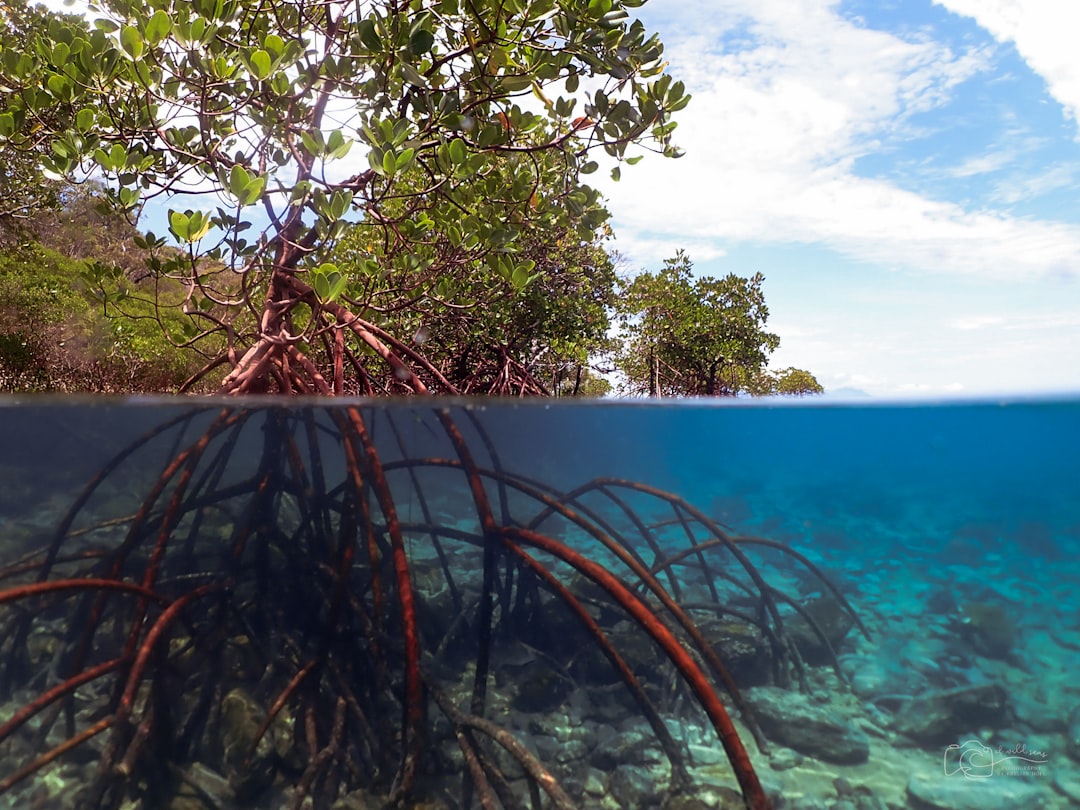
Blue carbon credits are still a young market. Most of the world has focused on forests—trees you can see, forests you can walk through. But Brunei is betting on what lies beneath the tide. The country announced on November 28, 2023, that it wants to build a system to sell credits tied to its mangroves, seagrasses, and coral reefs. It is a bet on a future where the ocean counts as a carbon bank.
Brunei is small. It sits on the north coast of Borneo, squeezed between Malaysia and the South China Sea. Its wealth has long come from oil and gas. That makes its pivot toward marine carbon credits notable. The same nation that pumps crude is now talking about protecting seagrass beds for the climate. Dato Seri Setia Awang Haji Ali bin Haji Apong, the Minister of Primary Resources and Tourism, said the country is well-positioned to lead in blue carbon because of its extensive marine resources. He did not give a timeline. He did not name a buyer. The announcement was a statement of ambition, not a contract.
The science behind the push is straightforward. Mangroves, seagrasses, and salt marshes store carbon in their roots and in the sediment below. They do it faster than many terrestrial forests and hold it longer. When those ecosystems are destroyed, that carbon leaks back into the air. Protect them, and you keep carbon locked away. Restore them, and you pull more carbon down. That is the basic trade. A company or a country pays for a credit. The money funds protection or restoration. The carbon stays buried.
Dr. Catherine Lovelock, a marine ecologist at the University of Queensland, said blue carbon credits could create a new incentive for protecting marine ecosystems. That matters for biodiversity and for communities that depend on the coast. Her point is practical. Without a financial reason to keep mangroves standing, they get cleared for shrimp farms or housing. A credit system changes the math. It gives a standing forest a price tag.
Brunei has the raw material. It has coral reefs. It has mangroves lining its coast. It has seagrass meadows that most people never see. The country has not released a full inventory of its blue carbon stock, but the potential is clear from geography alone. The question is whether the market will meet the ambition.
Blue carbon credits are not yet a standard commodity. There is no global exchange. No single rulebook. Different projects use different methods to measure carbon. Verification is expensive. Buyers are still learning what a blue carbon credit is worth. Brunei is stepping into a market that is being built while it sells. That is a risk. It is also an opportunity to shape the rules before they harden.
The announcement came in late November. It did not come with a splash. No major international conference. No signing ceremony with a neighboring state. Just a statement from a minister and a brief explanation of the science. That may be deliberate. Brunei has watched other small island nations push into carbon markets and struggle with verification costs and buyer skepticism. Moving quietly may mean moving carefully.
For now, the plan is a plan. The country has marine resources. It has a government willing to talk about carbon credits. It has a minister who says it can lead. What it does not yet have is a functioning market, a certified project, or a paying customer. Those will come, or they will not. The announcement puts Brunei in the conversation. The rest is work.