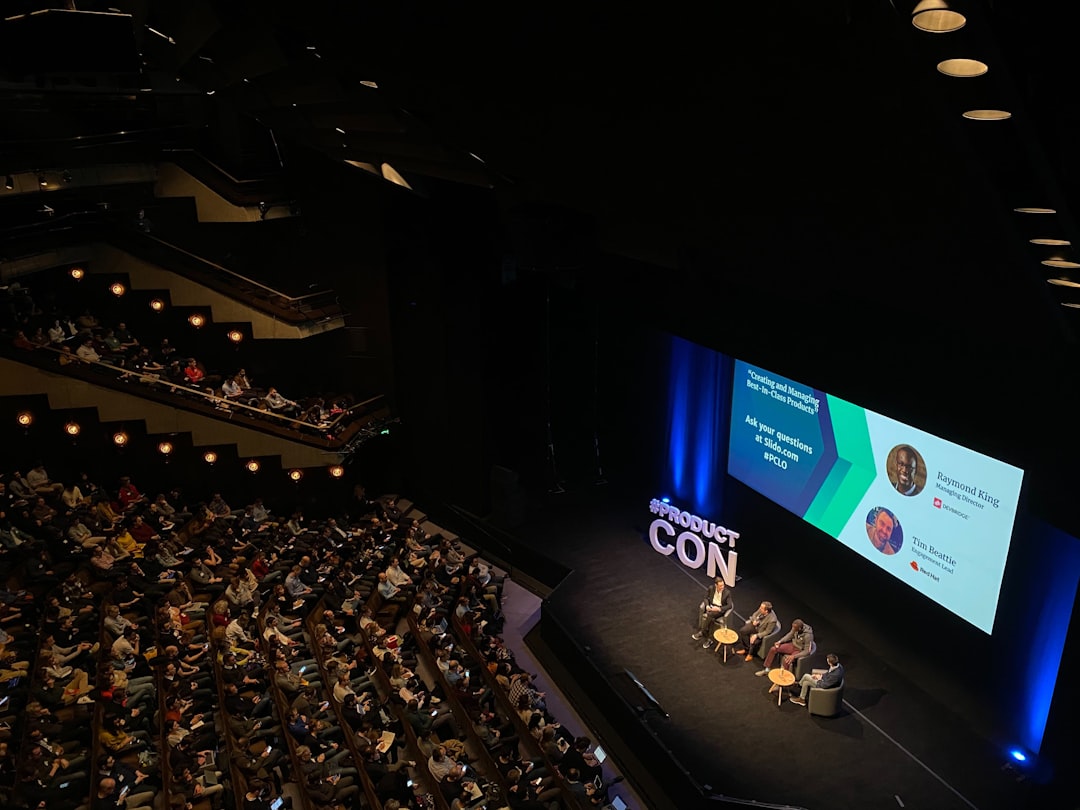
The I/O conference has been a fixture for Google since 2007, but this year’s event on May 20 carried a different weight. The company did not just announce new products. It laid out a clear strategy for its artificial intelligence future, built around two core pieces: a video generation model called Veo 3 and a sweeping set of upgrades to its Gemini AI system.
Veo 3 is the headline grabber. It represents a direct push into a space where competitors like OpenAI have already staked claims. Google is late to the public demo party for text-to-video AI, but the company is betting its version is more polished. The specific capabilities of Veo 3 remain vague in the official materials. What is clear is that Google sees this as a milestone. The company is staking its reputation on the idea that it can generate video that looks and behaves realistically, something that has eluded most public AI tools so far.
The Gemini upgrades are the other half of the equation. These are not flashy. They are foundational. Google is refining the underlying model that powers its chatbot, its search features, and its developer tools. The upgrades suggest a focus on making the AI more reliable and more useful in everyday tasks. That is harder to market than a video generator, but it may matter more in the long run. A chatbot that gives wrong answers is a liability. A video tool that produces glitchy footage is a novelty. Google appears to be trying to fix both problems at once.
The choice to unveil both at I/O is deliberate. The conference has always been a developer event first. The name itself is a piece of engineering jargon: I/O stands for input and output. It is a reference to how computers exchange data with the outside world. By placing Veo 3 and the Gemini upgrades on this stage, Google is sending a message to the people who will actually build with these tools. The company is not just showing off to consumers. It is giving developers the raw materials to create their own applications.
That is a smart move. Google has struggled in the past to turn its AI research into products that people actually use. The company invented the transformer architecture that powers most modern AI, but it was OpenAI that launched ChatGPT first. Google has been playing catch-up in the public eye ever since. The Veo 3 and Gemini announcements are an attempt to change that narrative. The company wants developers to see Google as the platform to build on, not just a research lab with good ideas.
The long history of I/O backs this up. The conference has been the launchpad for Android, for Google Maps APIs, for Google Assistant. It is where the company gives its community the tools to work with. This year was no different. The difference is the stakes. AI is not a side project anymore. It is the main product. Google is betting its developer relationships will give it an edge in a market that is already crowded with fast-moving startups.
Details on Veo 3’s release date and pricing are still missing. The same is true for the full scope of the Gemini upgrades. But the direction is clear. Google is pushing hard on two fronts: generating new content with video and improving the intelligence of its existing systems. Whether that is enough to reclaim the lead in AI is an open question. What is not in doubt is that the company is treating I/O 2025 as a turning point.