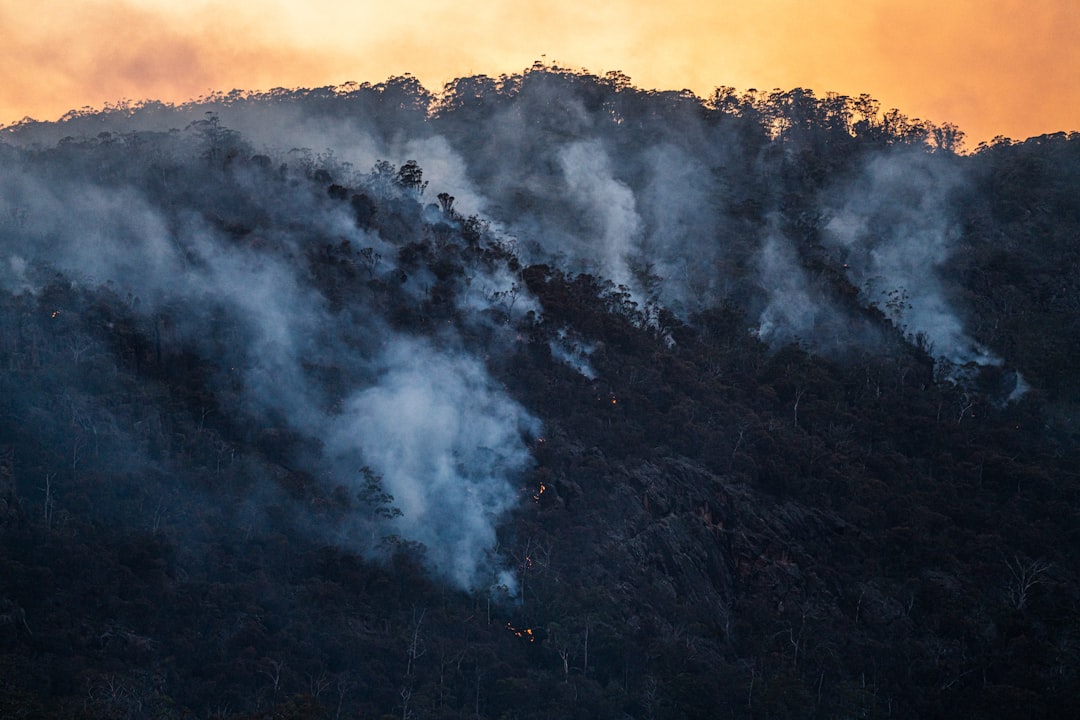
Two people are dead. Entire communities have emptied out. And the economic toll of Canada’s 2025 wildfire season is only beginning to register.
By mid-May, more than 160 fires were burning across Manitoba, Ontario, and Saskatchewan. The flames have already reached towns. In Lac du Bonnet, northeast of Winnipeg, two civilians died. The province is expected to declare a state of emergency on May 28. Saskatchewan will likely follow on May 29. Those declarations unlock resources. They also signal that provincial governments believe the worst is still ahead.
Manitoba has been hit hardest. The fires there are among the most severe in recent memory. Evacuations have displaced residents, some with little warning. The human cost is clear. The economic cost is still being counted.
Businesses in affected towns have shut down temporarily or indefinitely. Supply chains are disrupted. Roads closed for firefighting access or safety have cut off routes for trucking and delivery. Agricultural operations in the region face uncertainty. Smoke damage, livestock losses, and delayed planting are real threats. The town of Lac du Bonnet, already grieving, now faces a long recovery. Local economies in small towns do not absorb this kind of blow easily.
Tourism, a significant driver for parts of Manitoba and Saskatchewan, has stalled. Summer bookings were expected to be strong. Now, smoke advisories and fire danger warnings are keeping visitors away. Lodges, outfitters, and guide services are reporting cancellations. Provincial parks in fire zones have closed. That revenue will not come back this season.
The Canadian government has pledged support. Officials are coordinating relief efforts. Aid is being directed to those displaced. But the scale of the need is still growing. Fires have not only formed in Manitoba, Ontario, and Saskatchewan. They are spreading through British Columbia, Alberta, Quebec, Newfoundland and Labrador, the Yukon, and the Northwest Territories. This is not a regional problem. It is national.
Firefighting resources are stretched. Provinces are competing for aircraft, crews, and equipment. A state of emergency allows a province to bring in outside help faster. It also lets officials compel evacuations and restrict access to fire zones. Both Manitoba and Saskatchewan are expected to use those powers.
The environmental consequences are also mounting. Wildlife habitats are burning. Conservation efforts in affected areas are being paused or abandoned as resources are redirected. The smoke itself carries long-term effects. Air quality warnings have been issued across multiple provinces. For people with respiratory conditions, the danger does not end when the flames are out.
Scientists point to climate change as a factor in the increasing frequency and severity of wildfires. The exact causes of the 2025 fires are still under investigation. But the pattern is consistent. Hotter, drier conditions make ignition easier and spread faster. The season is still young. Summer has not yet peaked.
Residents are being told to stay vigilant. Evacuation orders must be followed. That is the immediate advice. But the longer view is grim. The fires will keep burning. More evacuations are likely. More homes may be lost. The economic fallout will ripple outward for months, possibly years. The two deaths in Lac du Bonnet may not be the last.