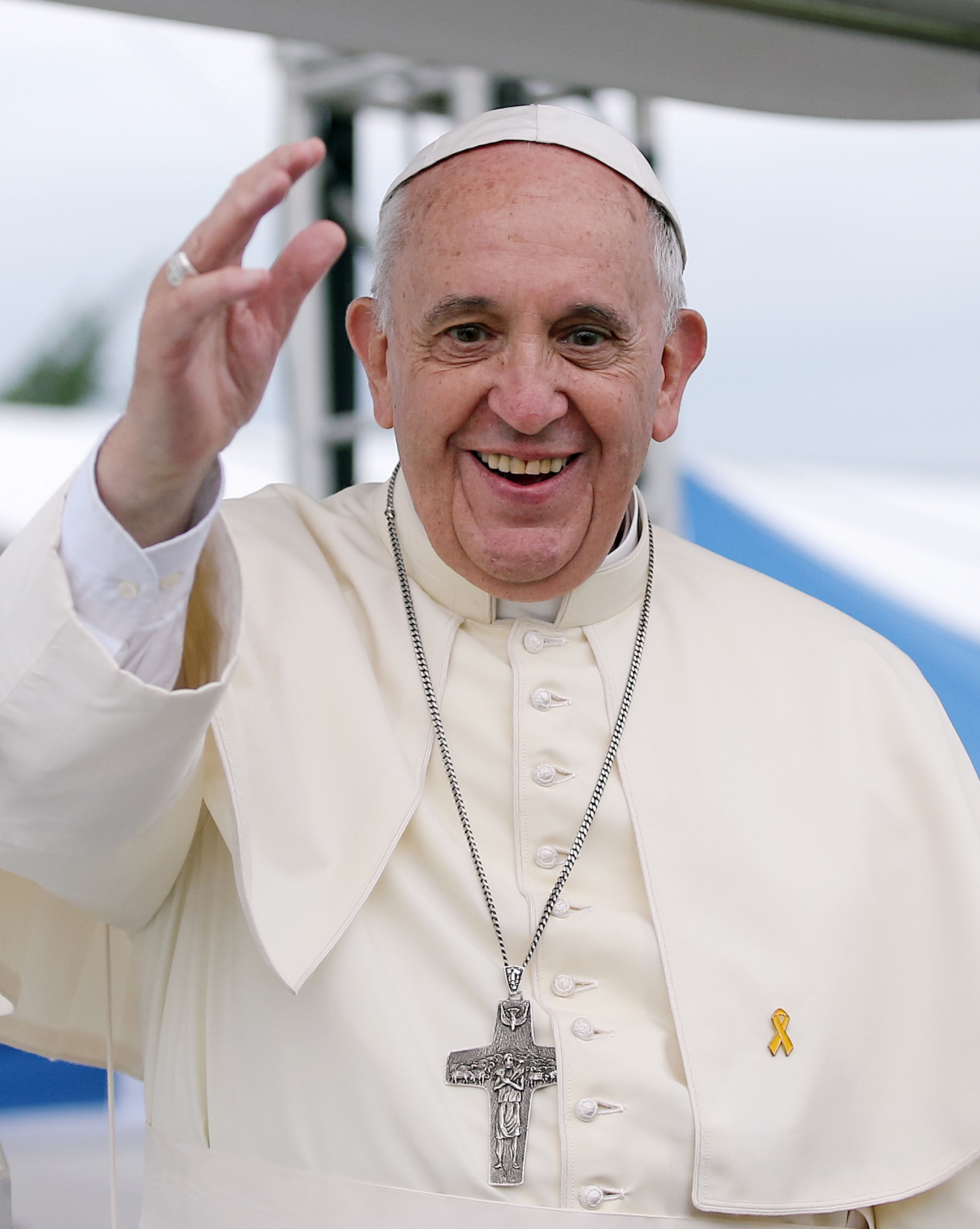
The body of Pope Francis was moved from Domus Sanctae Marthae to St. Peter’s Basilica on April 23, 2025, where it will lie in state for a 3-day public viewing, allowing thousands of mourners to pay their respects to the head of the Catholic Church. This solemn ceremony marks the beginning of a period of mourning for the Catholic community worldwide, as they bid farewell to a leader who has left an indelible mark on the Church. Pope Francis, born Jorge Mario Bergoglio, passed away on April 21, 2025, after serving as the sovereign of Vatican City and the head of the Catholic Church since March 13, 2013.
As the first Jesuit pope, the first Latin American, and the first pope born or raised outside Europe since the 8th-century Syrian pope Gregory III, Pope Francis brought a unique perspective to the papacy. His background, rooted in Argentine culture and Italian heritage, influenced his approach to social and economic issues, earning him widespread recognition and admiration. From his humble beginnings in Buenos Aires to his rise as the archbishop of Buenos Aires in 1998 and his subsequent creation as a cardinal in 2001, Pope Francis demonstrated a commitment to serving the Catholic community and addressing the needs of the marginalized.
The public viewing, which is expected to draw large crowds from around the world, will provide an opportunity for people to reflect on Pope Francis’ legacy and the impact he had on the Catholic Church. His papacy was marked by a strong emphasis on social justice, environmental protection, and interfaith dialogue. As the Catholic Church looks to the future, it is likely that Pope Francis’ successor will build upon the foundation he established, continuing to promote a message of compassion, tolerance, and understanding. The sitting US president has already expressed condolences to the Vatican, highlighting the strong relationship between the United States and the Catholic Church.
Life and Career of Pope Francis
Pope Francis’ journey to the papacy began in 1958 when he joined the Jesuits after recovering from a severe illness. He was ordained a Catholic priest in 1969 and went on to serve as the Jesuit provincial superior in Argentina from 1973 to 1979. His experiences in Argentina, particularly his work with the poor and marginalized, shaped his vision for the Catholic Church and informed his decisions as pope. As the archbishop of Buenos Aires, he was a vocal advocate for social justice and human rights, earning him respect and admiration from people across the religious and political spectrum.
The international community is also paying tribute to Pope Francis, with leaders from around the world expressing their condolences and praising his commitment to promoting peace and understanding. The Vatican has announced that the funeral will be held in the coming days, and it is expected to be attended by dignitaries from around the world. As the Catholic Church prepares to bid its final farewell to Pope Francis, it is clear that his legacy will continue to inspire and guide the faithful for generations to come. The US Secretary of State has announced plans to attend the funeral, underscoring the strong ties between the United States and the Vatican.
As the world looks to the future, it is clear that Pope Francis’ passing marks the end of an era for the Catholic Church. However, his legacy will continue to shape the Church’s trajectory, and his commitment to promoting social justice, protecting the environment, and fostering interfaith dialogue will remain a guiding force for years to come. The days ahead will be marked by reflection, mourning, and celebration of a life dedicated to serving others. As the Catholic Church embarks on a new chapter in its history, it is likely that Pope Francis’ successor will face numerous challenges, from addressing the needs of a rapidly changing world to promoting greater understanding and cooperation among nations. The road ahead will be long and complex, but with the foundation established by Pope Francis, the Catholic Church is well-positioned to navigate the challenges of the 21st century.