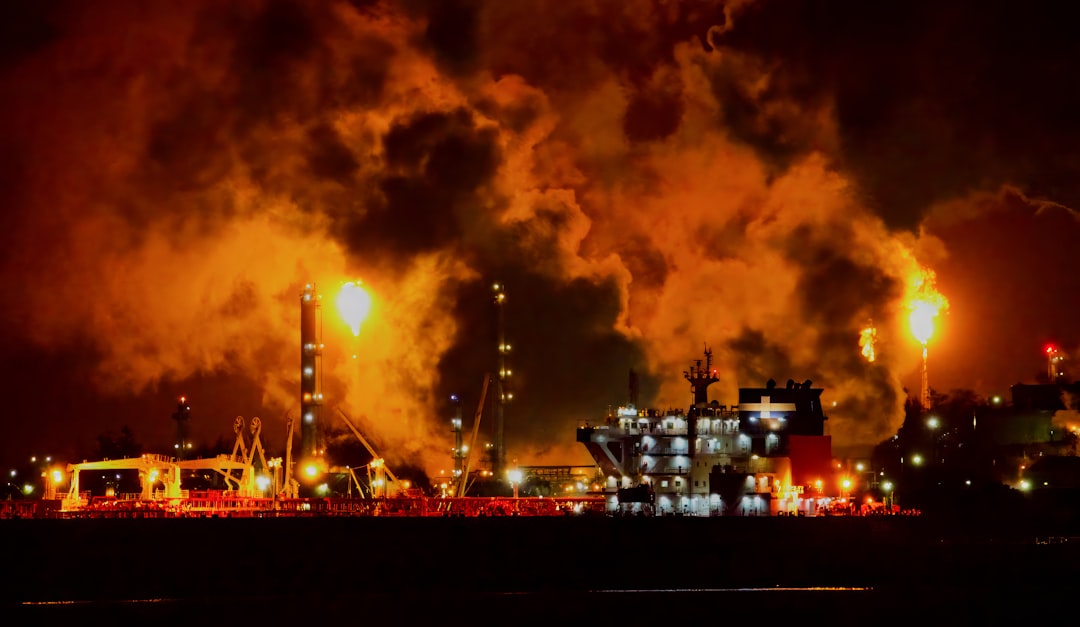
The global oil market runs on a handful of reference prices. West Texas Intermediate. Brent Crude. The OPEC Reference Basket. These benchmarks, each tied to a specific grade of crude, are the numbers traders watch. A barrel of oil, standardized at 42 U.S. gallons or 159 liters, gets priced against them. That price, as of April 1, 2025, is not a fixed thing. It shifts by the minute.
What drives those shifts is the raw mechanics of supply and demand. Not one country’s domestic output, but the global balance. The Organization of the Petroleum Exporting Countries, OPEC, sits at the center of that balance. Its member nations collectively produce a hefty slice of the world’s total oil. When OPEC decides to cut production or raise output, the ripple effect is immediate. The price of a barrel moves. The energy landscape tilts.
This matters because oil is not abstract. It is gasoline in a truck. It is jet fuel. It is the plastic in a water bottle and the asphalt under a car. A price swing changes what people pay at the pump. It alters the cost of shipping goods. It reshapes budgets for governments that depend on petroleum revenue.
The benchmarks themselves tell a story. West Texas Intermediate is light, sweet crude from the United States. Brent Crude comes from the North Sea. Dubai Crude serves as a marker for Middle Eastern oil headed to Asia. The OPEC Reference Basket blends crudes from member states. Tapis, Bonny Light, Urals, Isthmus, Western Canadian Select — each has its own chemistry and its own market. Traders pick the benchmark that matches the crude they are buying or selling. That choice sets the baseline for the deal.
Geopolitics intrudes constantly. A pipeline shut down in one region. A storm in the Gulf of Mexico. Sanctions on a producer. These events tighten supply or rattle expectations, and the price jumps. Economic trends work the other way. A slowdown in manufacturing or a drop in travel cuts demand, and prices fall. Alternative energy sources also factor in. More solar panels or wind farms can curb the need for oil, but the shift is gradual. For now, crude remains the backbone.
OPEC’s influence is not absolute. The cartel cannot dictate prices unilaterally. But its production decisions send signals the market reads as fact. When OPEC speaks, traders listen. The price adjusts. That power gives the group an outsized role in setting the cost of energy worldwide.
The stakes are concrete. A sustained price spike can tip an economy into recession. A crash can bankrupt oil-dependent states. Either outcome hits ordinary people. Higher heating bills. Lost jobs in energy towns. The price of a barrel is a number on a screen. It is also a measure of stability.