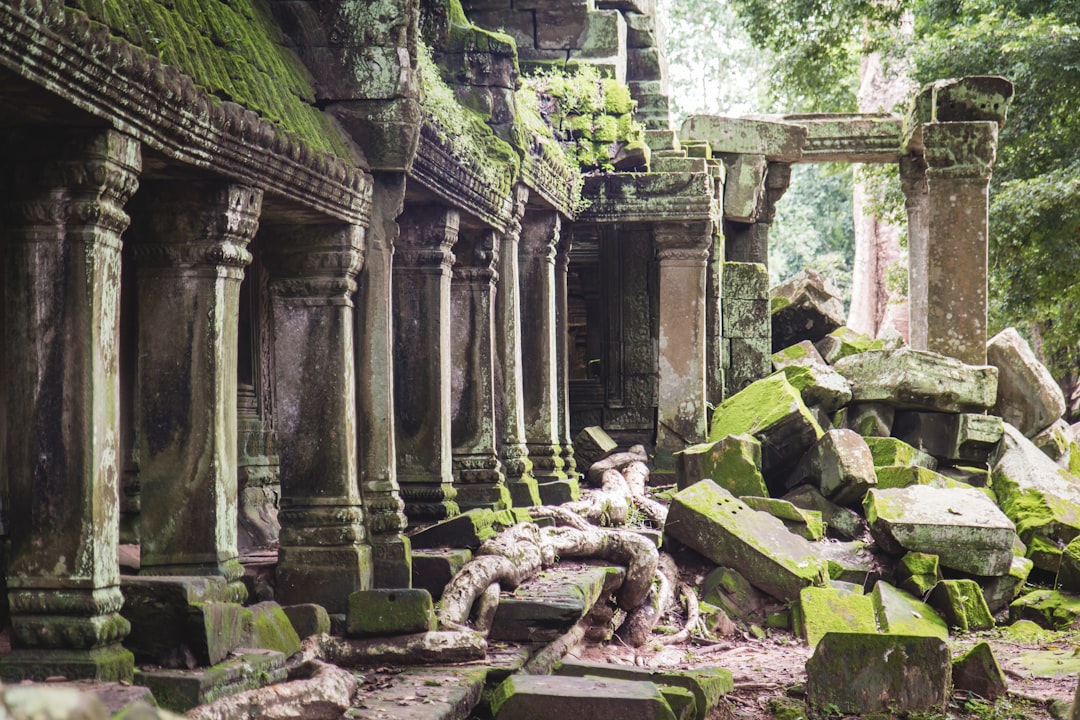
For centuries, the Four-Storied Monastery in Inwa, Mandalay Region, stood as a quiet witness to Myanmar’s layered history. Built of brick and stone, it survived wars, dynastic shifts, and the slow creep of tropical decay. On March 30, 2025, authorities confirmed it had joined a grim tally: 61 destroyed ancient pagodas and religious buildings across the country.
That number is not static. It has climbed steadily as damage assessments reach remote sites. The monastery, previously unreported in the count, is now the latest entry. Each new confirmation chips away at something irreplaceable.
Myanmar’s pagodas are not just old buildings. They are tiered towers with multiple eaves, a form that spread from ancient Indian stupas across Asia. The design evolved. In China they became known as “Tǎ.” In Myanmar they took on local character, often built near or inside bihars — Buddhist monasteries. Most were built for religious function, predominantly Buddhist, though some served Taoist or Hindu rites. The oldest were wood. Almost none of those survive. Brick and stone lasted. Even so, they could not withstand whatever force brought down 61 of them.
The loss cuts two ways. First, it erases a physical piece of the country’s heritage. Second, it strips future generations of a tangible link to their past. A pagoda is not an abstract idea. It is a structure you can touch, climb, walk around. Chinese poets wrote about the joy of climbing them, the view from the top. That experience — standing where someone stood a thousand years ago — is now gone for 61 sites.
The variety among the destroyed structures is worth noting. Some pagodas are solid. Others are hollow. The difference reflects different architectural approaches, different builders, different eras. All 61 are gone. The craftsmanship that raised them — the ingenuity of people working with local materials, adapting a foreign form to their own soil — is now only a memory.
No one has said what caused the destruction. The report offers no cause. No earthquake, no war, no fire is named. What is certain is the count. Sixty-one. And it may rise further. The Four-Storied Monastery was not discovered damaged until weeks after the initial tally. Other sites could be in similar condition, waiting for someone to arrive and confirm the worst.
This matters now because heritage is a one-way street. You cannot rebuild a 12th-century pagoda. You can build a replica, but it will be new. The original stone, the original mortar, the original hands that set them — those are gone. Future generations in Myanmar will inherit fewer physical records of their own history than their parents did. That is a narrowing of the world.
The pagoda’s history is long. It began as the Indian stupa, a dome-shaped structure holding relics. Over centuries it stretched upward, gained eaves, grew taller. It crossed borders. It adapted. In Myanmar it became part of the landscape, as natural as the hills. Now 61 of those landmarks are rubble. The tally is a number. Behind it are broken bricks, fallen spires, empty spaces where a tower used to stand.