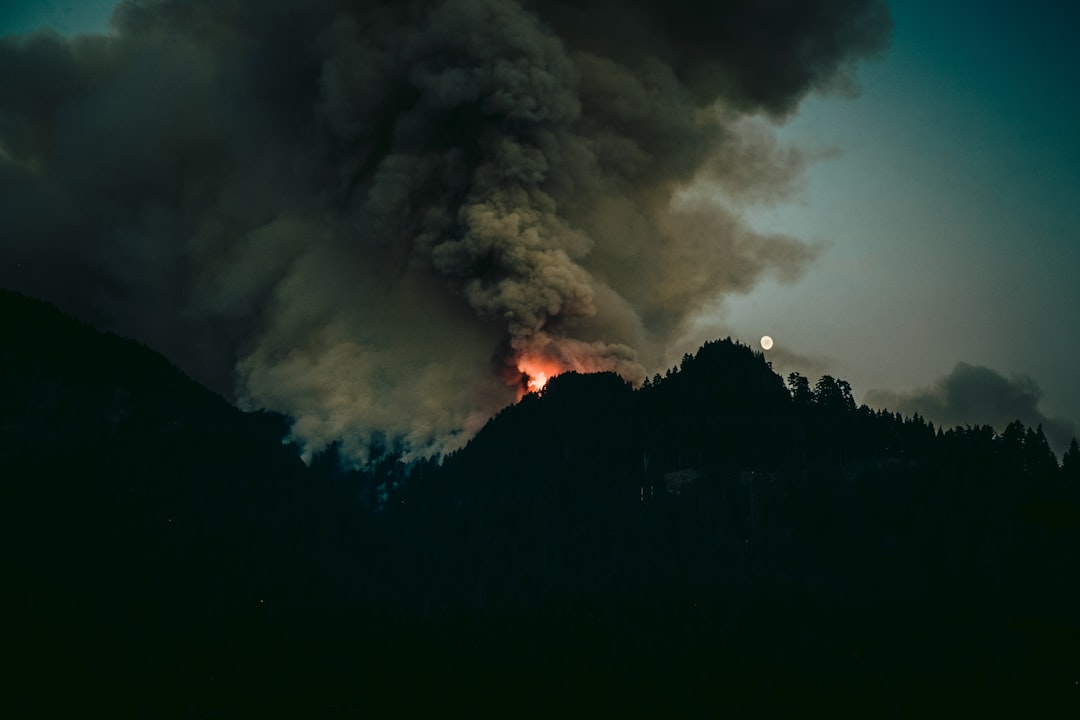
Three words explain why Oklahoma is on fire right now: dry, wind, March.
The state’s name comes from Choctaw — “okla” meaning people, “humma” meaning red. On March 14, 2025, that etymology feels less like history and more like prophecy. Flames are tearing across Oklahoma and Texas, pushed by severe winds that turned dry grassland into a fuse. Thousands have evacuated. Thousands more sit in the dark without power.
This is not a surprise. Oklahoma sits landlocked in the South Central and Southwestern United States. Its climate is dry. Its geography is flat and open. When the wind blows hard in March — and it always does — any spark becomes a crisis. Emergency responders are scrambling. They are trying to contain blazes that are moving faster than crews can cut firebreaks.
The power outages are the most immediate problem. Without electricity, communication networks go silent. Healthcare facilities lose backup options fast. People trying to evacuate cannot get updates on road closures. The grid, already strained by extreme weather in recent years, is buckling under the combination of fire and wind.
Oklahoma City, the state’s capital and largest city, is feeling the effects even if flames are not at its doorstep. The fires are consuming rural land, but the disruption radiates outward. Evacuees stream toward shelters. Supply chains hiccup. Schools close. The daily life of Oklahomans has been upended.
Wildfires in this region are not new. But the scale is. The fires are not just burning grass and brush. They are burning through the local ecosystem. Oklahoma’s biodiversity — a mix of prairie species, woodland animals, and riparian zone plants — takes years to recover from a severe fire. Some species may not come back at all if the burn is hot enough to sterilize the soil. That is the long-term worry environmental officials are watching now, even as they fight the immediate flames.
There is a quieter story underneath the smoke. Some Oklahomans are turning to renewable energy sources. Not as a political statement. As a practical hedge. Fossil fuel infrastructure is vulnerable to fire. Gas lines rupture. Coal plants lose transmission lines. Solar panels, if installed with battery storage, can keep a home running when the grid goes dark. Wind turbines keep spinning. The logic is simple: diversify your power supply so one disaster does not take everything down.
That shift will not stop the fires. Nothing stops the fires once the wind is up and the humidity is gone. But it might mean fewer people sitting in the dark next time.
The fires are still burning. The wind is still blowing. Emergency responders are still working. Thousands of people are still displaced. The immediate question is whether the crews can get containment lines around the biggest blazes before the weather shifts again. The deeper question — the one Oklahoma will have to answer after the smoke clears — is how to live on a landscape that burns this hard, this often, and this fast.
For now, the state burns. The people evacuate. The power stays off. And the word “humma” hangs in the air, meaning red, meaning fire, meaning a people tested by flame.