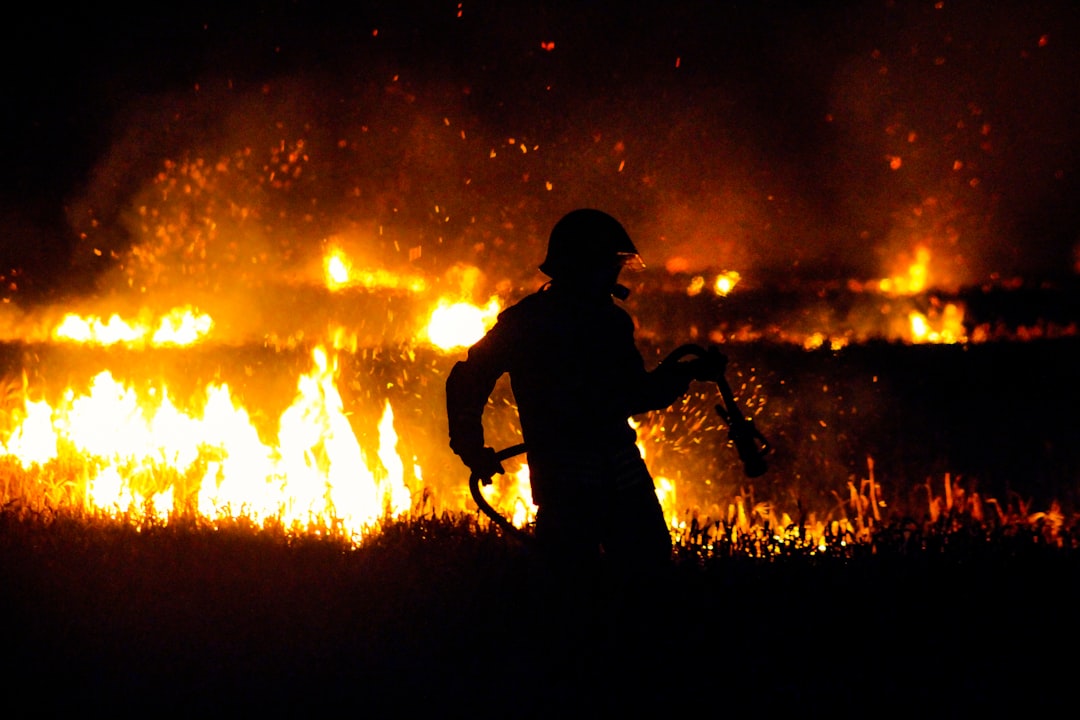
The shop explosion that killed four people and injured others in Oudomxay province on February 14 has laid bare a dangerous gap. The province’s economy is built on rice, corn, soybeans, and sugarcane. Its shops in Muang Xai sell fresh produce and manufactured goods. But the safety rules that should protect those businesses — and the people who run them — appear to have failed.
Oudomxay sits in northwest Laos, a mountainous region prone to landslides and floods. Its geography already puts residents at risk from natural disasters. Now, a man-made disaster has cut through that vulnerability. Four people are dead. Others are hospitalized. The exact cause of the explosion and fire remains unknown. That fact alone is a problem.
Local authorities are expected to investigate. They will look for root causes. They will try to prevent a repeat. But the people of Oudomxay are living through the aftermath right now. They have lost neighbors, family members, customers. They have lost property. The shops and markets that form the commercial backbone of Muang Xai are damaged or destroyed. That is not an abstraction. That is a farmer who cannot sell his corn. That is a family that depended on one store’s income.
The province borders Phongsali, Luang Prabang, and Xaignabouli. Those connections mean the shockwaves from this incident will travel beyond Oudomxay. Supply chains that move sugarcane and soybeans across provincial lines will be disrupted. The agricultural economy that drives this region — the rice fields, the corn plots, the soybean harvests — relies on functioning local markets. When a shop explodes and burns, that reliance becomes a liability.
This is not a small fire. Four dead is a significant toll for a province of this size. The injured may face long recoveries. The investigation will take time. In the meantime, the community is left to cope with loss and uncertainty. They will look to their leaders for support and guidance. That support needs to be concrete — medical care for the injured, housing for those displaced, financial help for shop owners who lost everything.
The report mentioned renewable energy as a potential solution for Oudomxay’s reliance on fossil fuels. Solar and wind power could reduce costs and improve energy security. That is a long-term goal. But the immediate lesson of this explosion is more basic. Safety measures matter. Emergency preparedness matters. The province’s mountainous terrain and agricultural economy do not excuse lax enforcement of fire codes or storage regulations for hazardous materials.
Oudomxay’s unique geography makes it prone to natural disasters. Landslides and floods are annual threats. But an explosion in a shop is not a natural disaster. It is a failure of oversight. The people of this province work hard to grow their crops and run their businesses. They deserve protection from preventable tragedies. Four deaths on February 14 should force a reckoning. The investigation must be thorough. The findings must be public. The changes must be real.
The province has rich agricultural land. It has a bustling commercial hub in Muang Xai. It has a population that depends on both. None of that matters if basic safety is ignored. The stakes are not abstract. They are measured in lives lost, families shattered, and livelihoods destroyed. That is what is genuinely at risk every time a shop operates without proper safeguards. That is why this event matters — not as a news story, but as a warning that cannot be ignored.