The recovery of five bodies from two avalanches in the French Alps on January 29 has left the skiing community grappling with loss and authorities re-examining off-piste safety protocols. The dead include four Norwegian nationals and one Swiss citizen. All were skiing outside marked trails when the snow gave way.
The Norwegian group, four people together, was hit in a remote area. The Swiss skier, alone in a nearby valley, was caught by a separate slide. Rescue teams located and extracted the bodies. No survivors have been reported.
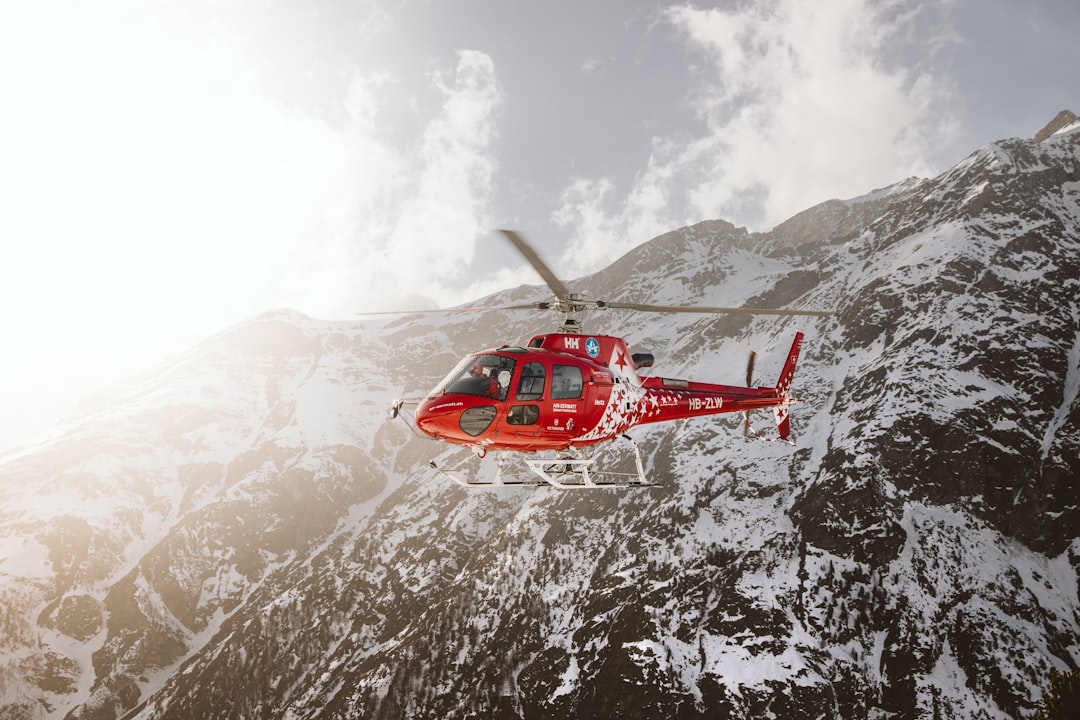
For the French mountain rescue services, the immediate fallout is operational. They deployed teams across difficult terrain in winter conditions. The effort to locate the victims consumed resources and time. Local officials now face questions about whether more could have been done to warn or deter skiers from those specific slopes. Off-piste skiing is legal in France, but it carries inherent risk. The avalanche danger on that day, and the decisions that led each skier into those zones, will be part of any review.
The impact reaches beyond the rescue services. The French Alps rely heavily on winter tourism. Every fatality sends a ripple through the industry. Insurance claims, potential liability questions, and the simple fact of five deaths in one day all put pressure on local operators. Resorts that cater to off-piste clients may see a shift in how they market or manage access. Guides who lead groups into the backcountry will face renewed scrutiny from clients and regulators alike.
For Norway, the loss of four citizens in a single outdoor incident is a heavy blow. The country has a deep culture of mountain recreation. Norwegians ski from childhood. The idea that experienced skiers could be killed in a foreign avalanche resonates painfully. The Norwegian foreign ministry will handle repatriation. The families of the victims now face a long, cold process of bringing their loved ones home from a French mountainside.
The Swiss victim was skiing alone. That detail alone raises questions about solo off-piste travel. Alone, there is no one to dig you out. No one to call for help. No one to mark your last known position. Rescue teams found the body, but the circumstances of that skier’s final moments remain private.
What happens next is mostly procedural. Autopsies will be conducted. Reports will be filed. The French authorities will likely issue a formal statement on avalanche danger levels for that date. The Norwegian and Swiss embassies will coordinate with families. No criminal charges have been announced. No negligence claims have been made public.
But the consequences are not only bureaucratic. Every skier who saw the news will think twice. Every guide who leads a group into the backcountry will check the bulletin with more care. Every resort that sells a lift ticket to a skier carrying avalanche gear will wonder if that customer understands the real risk.
Five people went into the mountains. Five people did not come back. The French Alps remain open. The snow keeps falling. The slopes keep drawing visitors. But for five families, and for the rescue teams who carried the bodies out, the season has already ended.