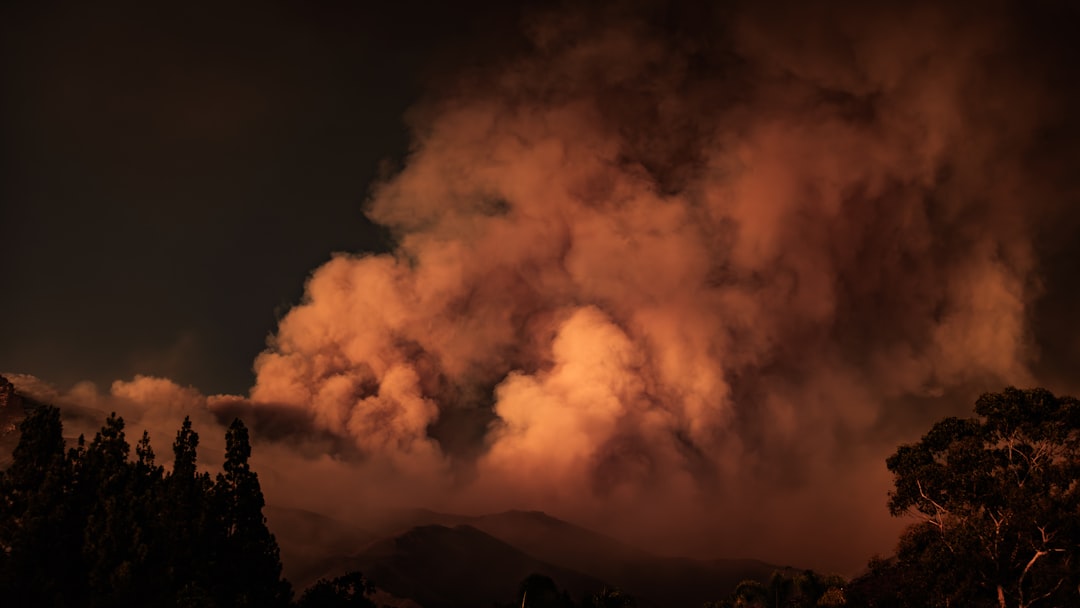
Mandatory evacuation orders emptied settlements around Castaic Lake on Wednesday as the Hughes Fire exploded across more than 5,000 acres of Los Angeles County in under four hours. Residents grabbed what they could and left. The fire was still burning out of control.
Strong winds and dry conditions drove the flames. Firefighters were on scene, but the speed of the spread had already forced thousands from their homes. Local authorities coordinated the evacuation, setting up shelters and support services for those displaced. The priority was accounting for everyone and getting them to safety.
The full extent of the damage is not yet known. Homes, businesses, and infrastructure in the path of the fire remain at risk. The blaze, which erupted on January 22, 2025, caught many off guard. A fire that reaches 5,000 acres in less than four hours does not leave much time for deliberation. People fled with little more than essentials.
For communities around Castaic Lake, this is a crisis of displacement. Lives are disrupted. Livelihoods are on hold. The chaos of a sudden evacuation—grabbing documents, pets, children, whatever is nearest—is a brutal reality. Shelters offer a roof, but they cannot replace a home or a sense of security. The fire is still burning. No one can say when it will be safe to return.
Environmental stakes
The Hughes Fire also threatens the natural landscape. Wildfires of this scale destroy habitats and ecosystems. Local wildlife and vegetation face long-lasting consequences. The area around Castaic Lake includes open spaces and wildland corridors that support native species. A burn of this size can alter those ecosystems for years, stripping ground cover, killing trees, and leaving soil vulnerable to erosion when rains come.
Those environmental losses are not abstract. They affect air quality, water runoff, and the recovery of the land itself. A burned watershed behaves differently. Mudslides become a risk. Regrowth can take seasons or decades, depending on the severity of the burn and the resilience of the native plants. The fire does not stop at property lines. It scars the ground.
Response and risk
Emergency services are scrambling. That is the word from the scene. The fire spread so fast that standard response times were not enough. Firefighters are working the lines, but the combination of wind and dry fuel makes containment difficult. Every hour the fire burns unchecked adds to the danger for those still in the evacuation zone and for the crews on the front lines.
The evacuation orders are mandatory. That means law enforcement can compel people to leave. It also means that anyone who stays does so at extreme personal risk. Authorities have set up shelters, but the number of displaced residents may strain those resources as the fire continues.
This event matters because it demonstrates how quickly a wildfire can overwhelm a populated area. The Hughes Fire did not creep. It raced. And the people living around Castaic Lake had to make decisions in minutes that will affect their lives for months or years. The fire is still burning. The damage is not yet tallied. But the stakes are already clear: homes, habitat, and human safety are all on the line.