Balochistan Mine Disaster Renews Scrutiny of Pakistan’s Coal Safety Record
The explosion that killed three miners and left nine missing in Singidi, Balochistan, did not happen in a vacuum. It is the latest in a string of deadly accidents that have long shadowed Pakistan’s coal industry. The country’s mines, particularly those in the rugged southwestern province, operate under conditions that have drawn repeated criticism from safety advocates and labor groups.
Balochistan is Pakistan’s largest province by land area but its least populated. Its terrain is a mix of high, rugged ranges and basins carved into an extensive plateau. The province shares borders with Iran and Afghanistan. Beneath that harsh landscape lies coal—a resource the country relies on to feed its energy needs. But extracting that coal comes at a human cost.
Records show that mining accidents are not rare in Pakistan. In recent years, explosions, collapses, and gas leaks have killed dozens of workers. The causes are often the same: poor ventilation, inadequate safety gear, weak enforcement of regulations, and a lack of proper training. The Singidi explosion fits that pattern.
Rescue workers have been searching for the nine missing miners since yesterday. The effort is slow. The mine’s layout, the debris from the blast, and the risk of further collapses all hamper progress. Each hour that passes lowers the chances of finding survivors. Families wait at the site, hoping for news that may not come.
The Pakistani government has faced criticism before over its handling of mining disasters. Investigations often stall. Recommendations for reform gather dust. Safety protocols exist on paper but are rarely enforced underground. Mine owners, facing thin profit margins, cut corners. Workers, many of them poor and desperate for income, take the risks because they see no other choice.
This latest incident is likely to revive calls for accountability. Labor activists will point to the gap between what the law requires and what happens in practice. They will ask why inspections are so infrequent, why penalties for violations are so weak, and why the government has not moved faster to modernize the industry.
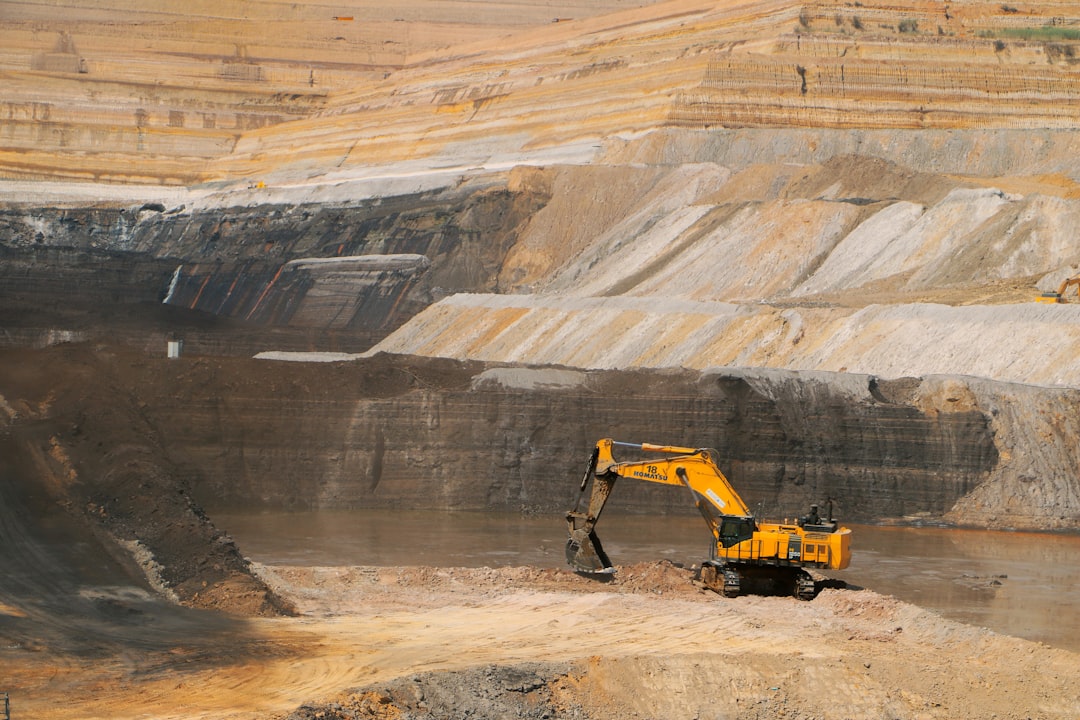
There is also the environmental dimension. Coal mining in Balochistan scars the land. The province’s unique geography—its basins, its plateaus, its sparse but fragile ecosystems—bears the cost. Mining waste, water contamination, and air pollution are part of the industry’s footprint. The explosion in Singidi adds a human and environmental toll to an already troubled sector.
The nine missing miners remain underground. Their fate is unknown. Rescue crews keep working. The government has yet to announce any new measures. For now, the focus is on the search. But the broader questions about safety, regulation, and the true price of coal will not go away.
Balochistan’s mines have been deadly before. They will be deadly again unless something changes. Whether this explosion becomes another forgotten tragedy or a catalyst for reform depends on what happens in the weeks and months after the rescue effort ends.