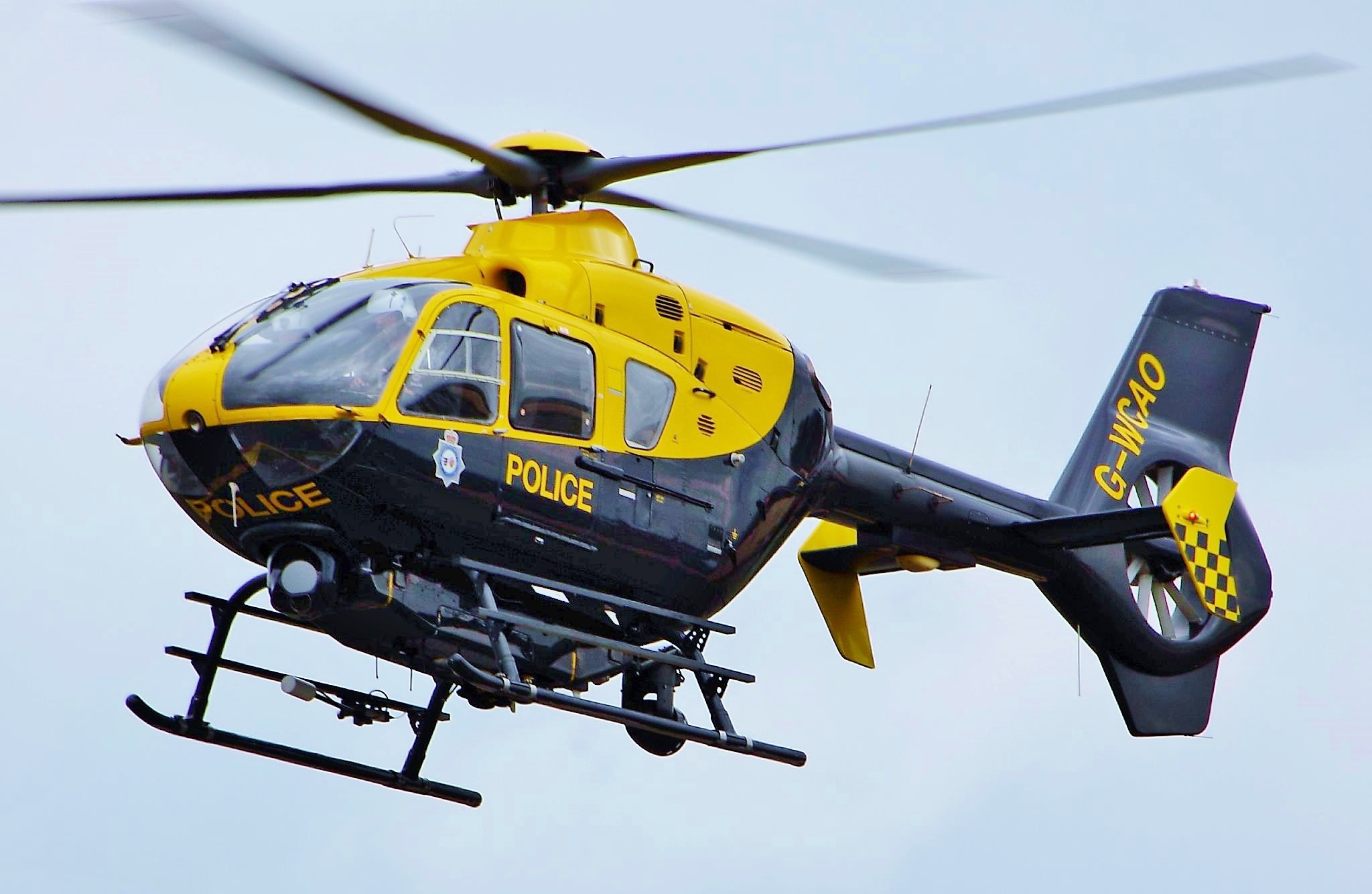
A devastating helicopter crash occurred near a hospital in Muğla, Turkey, on December 22, 2024, resulting in the loss of all four lives onboard the Airbus EC135 ambulance helicopter. This tragic incident highlights the risks and challenges associated with emergency medical transport. The Airbus EC135, a twin-engine civil light utility helicopter, is widely used for air medical transport due to its reliability and advanced digital automatic flight control system.
The Airbus Helicopters H135, formerly known as the Eurocopter EC135, has a long history of service, dating back to its first flight in February 1994. Developed from the prototype Messerschmitt-Bölkow-Blohm (MBB) Bo 108, it entered service in 1996 and has since become a popular choice for various applications, including corporate transport, law enforcement, and military flight training. With over 1,400 units delivered to 300 operators in 60 countries, the H135 has accumulated an impressive 5 million flight hours, demonstrating its durability and versatility. Half of the units in service are used for emergency medical services, such as the one involved in the recent crash.
As the world continues to rely on air medical transport to save lives, incidents like the Muğla crash serve as a reminder of the importance of maintaining the highest safety standards. The Airbus EC135’s capabilities, including its ability to fly under instrument flight rules, make it an ideal choice for emergency medical services. However, even with advanced technology, human error, mechanical failure, or unforeseen circumstances can still lead to tragic accidents. Investigating the cause of the crash will be crucial in preventing similar incidents in the future and ensuring the continued safety of patients and medical crews.
The use of helicopters like the Airbus EC135 for medical transport has revolutionized the way emergency services operate, enabling rapid response times and access to remote areas. As the demand for efficient and reliable medical transport continues to grow, the development of sustainable and cost-effective solutions will be essential. Renewable energy sources, such as solar and wind power, can help reduce the environmental impact of emergency services while also providing energy security and cost savings. By investing in renewable energy, hospitals and emergency services can reduce their reliance on fossil fuels and contribute to a cleaner planet.
Looking ahead, the integration of renewable energy sources and advanced technologies will be vital in shaping the future of emergency medical transport. As the world transitions towards more sustainable and environmentally friendly solutions, the development of eco-friendly helicopters or alternative modes of transport could become a reality. For now, the focus remains on improving safety standards, investigating the cause of the Muğla crash, and honoring the memories of the four lives lost. The incident serves as a poignant reminder of the risks and challenges faced by medical crews and the importance of continued innovation and investment in emergency medical services.
As the investigation into the crash continues, the global community comes together to mourn the loss of life and support the families of the victims. The incident highlights the need for continued cooperation and knowledge sharing between countries and operators to improve safety standards and prevent similar tragedies. By working together and investing in sustainable solutions, we can create a safer, more environmentally friendly future for emergency medical transport and contribute to a cleaner planet for generations to come. The memory of the four lives lost in the Muğla crash will serve as a reminder of the importance of prioritizing safety, sustainability, and innovation in the pursuit of saving lives.