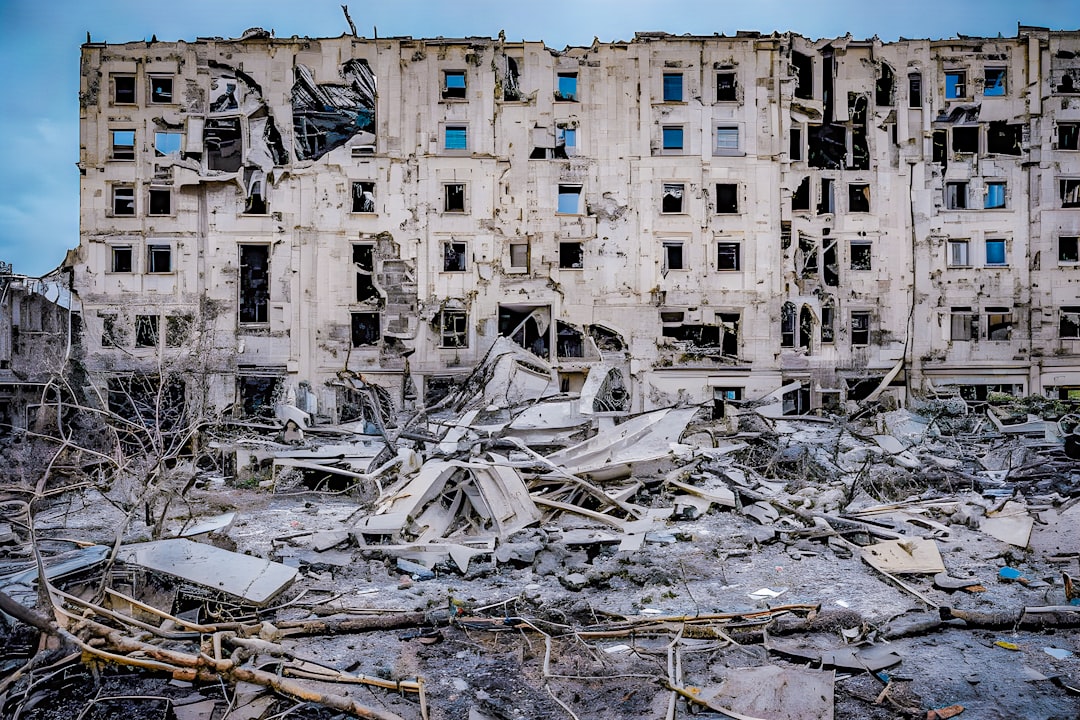
The 300 residents of Agaléga now face a long, uncertain recovery after Cyclone Chido tore through their coral island home on December 13. The storm left little standing. Homes, buildings, and communication systems are gone or wrecked. The full scope of the damage is still being tallied, but early assessments make one thing plain: this tiny community cannot rebuild alone.
Agaléga is a speck in the Indian Ocean, part of the Republic of Mauritius. It is remote, small, and quiet — until Chido arrived. The cyclone, which Météo-France in Réunion tracked from an elongated circulation in the South-West Indian Ocean, grew into the second intense tropical cyclone of the 2024-25 season. Its name, Chido, means “a desire” in Shona. What it delivered was destruction.
The storm hit hard and fast. Its compact structure concentrated its force. For an island of roughly 300 people, that force was overwhelming. Infrastructure that took years to build — homes, the communication links that connect Agaléga to the outside world — collapsed in hours.
Now the consequences ripple outward. Without working communication systems, relief coordination is a nightmare. Assessment teams cannot easily relay what they find. Supplies cannot be requested with certainty. The government in Port Louis will have to scramble to establish a link, likely by sea or air, to a place that just lost its ability to call for help.
Then there is the ecosystem. Agaléga is a coral island, home to unique flora and fauna. Cyclones strip vegetation, scatter wildlife, and damage coral reefs. The report flagged this as a major concern. The island’s natural environment, already fragile, took a beating. Recovery for a coral ecosystem is measured in years, sometimes decades. For a human population of 300, that timeline is cruel.
Chido is not a fluke. The report notes it is part of a larger pattern. The South-West Indian Ocean cyclone season runs from November to April. In recent years, powerful storms have become more frequent. This cyclone is the third named storm and the second intense tropical cyclone of this season alone. The season is not over. The region should brace for more.
For Agaléga, the immediate future is about survival. Shelter, clean water, food, medical care — the basics. Then comes rebuilding. But rebuilding on a remote coral island is expensive and slow. Materials must be shipped in. Labor is limited. The population is small, but their needs are not small at all.
The storm also raises a wider question about small island states. Mauritius, the parent nation, will have to divert resources to Agaléga. That is money and manpower that might have gone elsewhere. For a country already managing its own vulnerabilities, this is a strain.
Chido’s path was monitored closely by RSMC La Réunion, the regional specialized meteorological center. Forecasts gave some warning. But for a compact cyclone, warning time is short. And on an island of 300 people, evacuation options are few.
The recovery will test the capacity of Mauritius to reach its farthest outpost. It will test the resilience of a small community that lost everything in a single day. And it will test whether the international community pays attention to a disaster on a tiny island most people have never heard of.
Cyclone Chido is done. Its aftermath is just beginning.