When the 2024 United Nations Climate Change Conference opened in Baku on November 11, the host city’s skyline told its own story. Oil rigs dot the Caspian Sea horizon. Natural gas flares burn near the shore. Azerbaijan is a petrostate, and its president, Ilham Aliyev, runs a government that the report describes as an authoritarian state with extensive corruption. That the conference happened here at all was a choice, and a contested one.
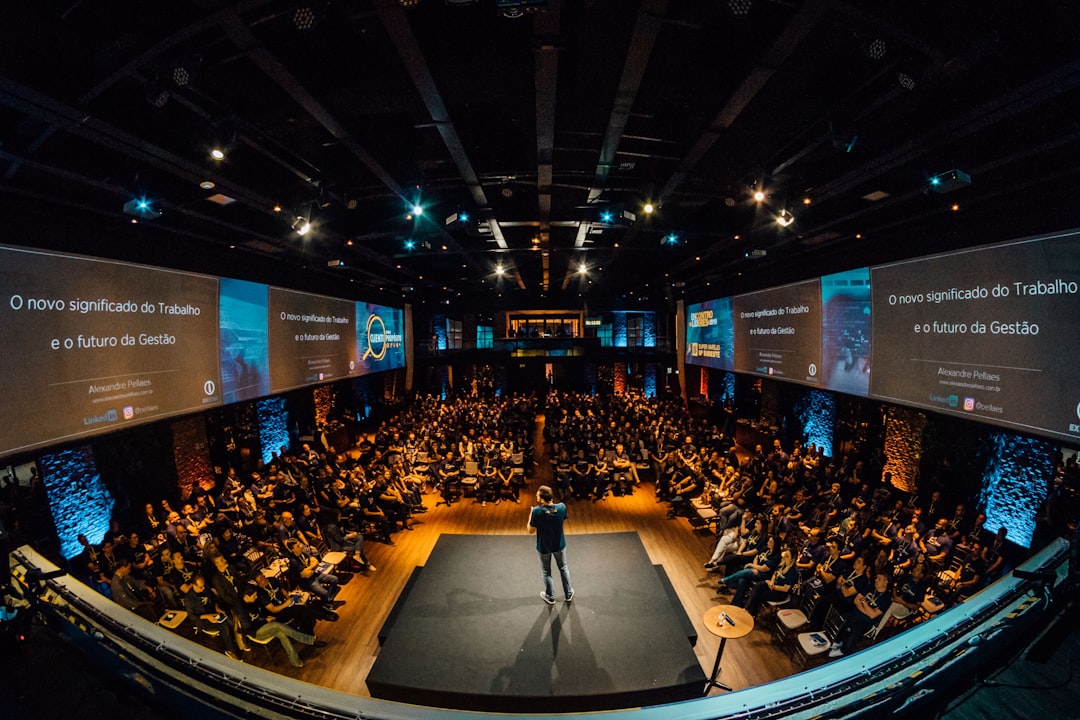
The event ran 12 days inside the Baku Olympic Stadium. Mukhtar Babayev presided. Samir Nuriyev ran the Organising Committee. Delegates from scores of countries sat through sessions on emissions targets, financing mechanisms, and the slow grind of international diplomacy. What emerged on November 22 was an agreement on plans for finance to mitigate climate change and help developing nations shift to sustainable energy. Also agreed: rules and a UN registry to track international trading of carbon credits — a move meant to bring transparency to a market long criticized for opacity and loopholes.
None of this happened in a vacuum. The conference was the latest in a sequence that stretches back to the 1992 Rio Earth Summit. Every year the stakes get higher. Every year the gap between what scientists say is necessary and what governments deliver stays wide. This year’s meeting was supposed to be the one where rich nations finally put concrete numbers behind decades of promises to fund the green transition in poorer countries. The agreement that came out of Baku does that, on paper. Whether the money actually flows, and whether it flows without strings attached to fossil fuel interests, remains an open question.
The backdrop made that question acute. Several official partners of COP29 were businesses directly owned by Aliyev or tied to his family’s enterprises. The report flags this as a conflict-of-interest concern. When the host country’s leader profits from the very industries the conference aims to constrain, the legitimacy of any deal signed under his roof gets harder to defend. Critics pointed to this from the moment Baku was announced as the venue. The conference went ahead anyway.
Most G7 leaders stayed home. Their absence was notable. It signaled something between indifference and strategic distance — a decision not to lend personal prestige to a process already clouded by the host’s record. The leaders who did attend represented countries that bear the heaviest burdens from climate change: rising seas, crop failures, heat waves that kill. They came to Baku not because they trusted the host but because they needed the money and the rules.
The carbon credit registry is a technical achievement, but its real test will be enforcement. Markets for carbon offsets have been dogged by fraud and double-counting. The UN registry is supposed to fix that by creating a single, verifiable ledger. It is a tool, not a solution. Tools only work when people use them honestly.
This was not the first climate conference held in a fossil-fuel-dependent state. It will not be the last. The contradiction is baked into the system: the countries most able to finance change are often the ones most invested in the status quo. Azerbaijan fit that mold perfectly. The conference produced an agreement despite that, not because of it. That is worth noting. It is also worth noting that the agreement is a framework, not a finished building. The hard work — the actual spending, the actual emissions cuts, the actual shift away from oil and gas — happens after the delegates fly home.
Baku’s stadium is empty now. The banners are down. The diplomats are back in their capitals. What they agreed to will matter only if their governments follow through. The history of climate conferences is littered with promises that evaporated once the cameras left. This one might be different. It might not. The evidence so far points both ways.