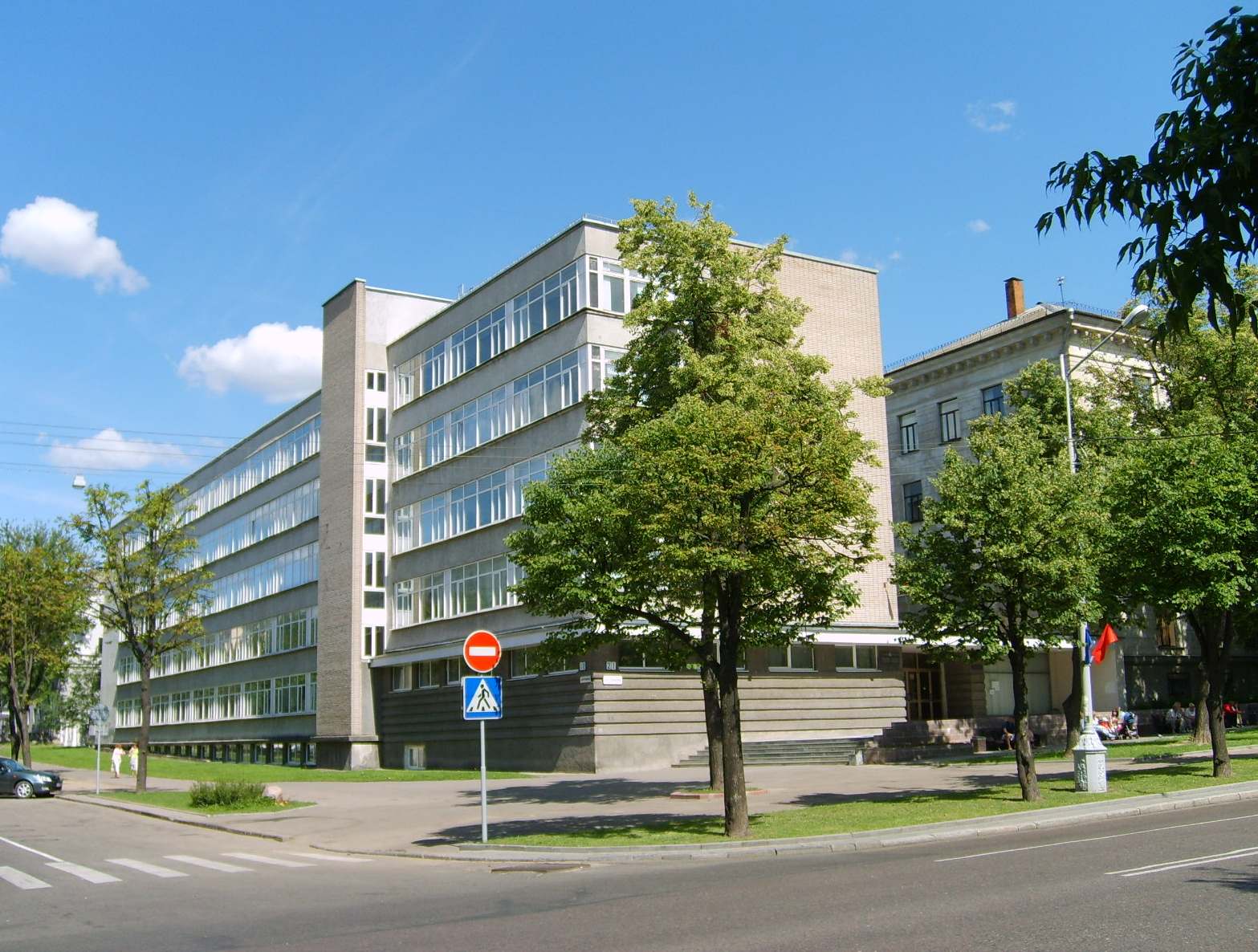
On November 22, 2024, Belarusian President Alexander Lukashenko addressed students and faculty at Minsk State Linguistic University, a prestigious institution renowned for its language education and translator training programs. During his speech, Lukashenko issued a stern warning, threatening to shut down the Internet in Belarus if the country experiences mass protests prior to the upcoming presidential election. This announcement comes on the heels of the previous election, which was marked by widespread demonstrations and unrest. The prospect of an Internet shutdown has significant implications for the country’s citizens, who have grown increasingly reliant on digital communication and information exchange.
The Minsk State Linguistic University, where Lukashenko delivered his speech, is a flagship institution in Belarus, specializing in language education and offering courses in 18 foreign languages. Founded in 1948 as the Minsk State Pedagogical Institute for Foreign Languages, the university has a long history of providing high-quality education and training to students from Belarus and beyond. Its programs in Russian and Belarusian as foreign languages are particularly notable, reflecting the country’s linguistic and cultural heritage. As a hub of intellectual and cultural activity, the university provides a unique platform for discussion and debate, making Lukashenko’s speech all the more significant.
Lukashenko’s threat to shut down the Internet in the event of mass protests has sparked concern among citizens, who fear that such a move would severely restrict their access to information and limit their ability to express themselves freely. The previous presidential election, which saw widespread protests and demonstrations, highlighted the importance of digital communication and social media in mobilizing public opinion and coordinating collective action. In the run-up to the upcoming election, the prospect of an Internet shutdown has raised questions about the government’s commitment to democratic principles and its willingness to engage with citizens in a meaningful and open manner.
As the presidential election approaches, Belarus is poised at a critical juncture, with the country’s future direction and trajectory hanging in the balance. The government’s response to potential protests and demonstrations will be closely watched, both domestically and internationally, as a test of its commitment to democratic values and human rights. In this context, Lukashenko’s speech at Minsk State Linguistic University takes on added significance, highlighting the complex and often fraught relationship between government, citizens, and technology in Belarus. As the country navigates this challenging period, one thing is clear: the outcome of the presidential election will have far-reaching consequences for Belarus and its people.
The potential consequences of an Internet shutdown in Belarus are far-reaching and multifaceted, with implications for the country’s economy, education system, and social fabric. In an increasingly interconnected world, access to the Internet is no longer a luxury, but a necessity, enabling citizens to participate in the global economy, access information and educational resources, and connect with others across the globe. A shutdown would not only restrict citizens’ access to information but also undermine the country’s economic development and competitiveness, as businesses and industries rely heavily on digital communication and online transactions. As Belarus looks to the future, it is essential that the government prioritizes the needs and rights of its citizens, ensuring that they have access to the information and resources they need to thrive in the 21st century.
As the world looks to Belarus in the run-up to the presidential election, one thing is clear: the country is at a crossroads, with its future direction and trajectory hanging in the balance. The government’s response to potential protests and demonstrations will be closely watched, as a test of its commitment to democratic values and human rights. In this context, the role of technology and digital communication will be critical, enabling citizens to access information, express themselves freely, and participate in the democratic process. As we look to the future, it is exciting to consider the possibilities that lie ahead for Belarus, a country with a rich history, a highly educated population, and a strong tradition of cultural and intellectual achievement. With its highly developed language education system and its vibrant cultural scene, Belarus is well-placed to thrive in the 21st century, provided that its government prioritizes the needs and rights of its citizens.