Eighteen named storms. That is what the 2024 Atlantic hurricane season produced. Tropical Storm Sara became the final one, and it did not go quietly.
After pounding Honduras for days, Sara made a second landfall in Belize on November 17. The storm’s defining feature was not its wind speed. It was its pace. Sara moved slowly. Very slowly. That crawl allowed it to wring out enormous amounts of rain over northern Central America before it ever reached Belize.
Honduras took the first hit. The storm first came ashore at Punta Patuca on November 15. It was already a tropical storm by then. But the trouble started before landfall. Sara developed on November 14 from a disturbance over the central Caribbean Sea. A tropical wave consolidated into a depression that same day. By day’s end, it was strong enough to earn a name. It became the eighteenth and final named storm of the season.
Then it stalled. Or rather, it crept. The storm moved parallel to Honduras’s northern coast. It did not race through. It lingered. That is the detail that matters most. Slow-moving tropical systems are the ones that flood countries. Fast ones pass. Slow ones drown.
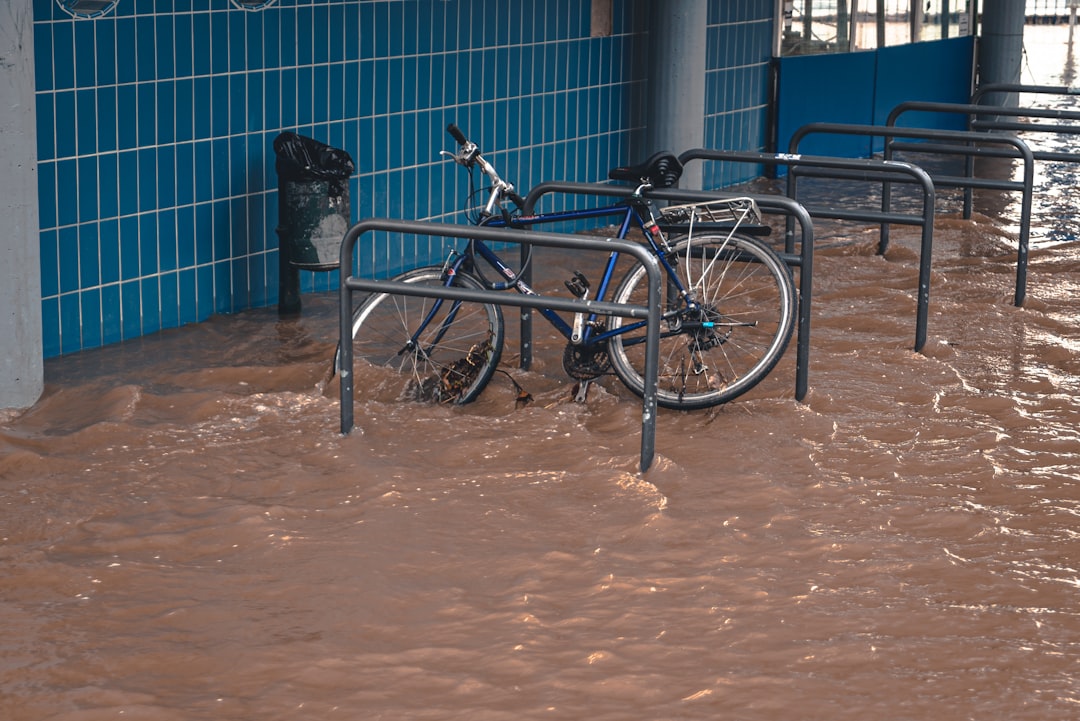
Honduras’s northern region got the worst of it. Local drainage systems were overwhelmed. Water pooled in streets and fields. The report describes the flooding as severe and widespread. Communities already vulnerable to extreme weather found themselves underwater. The storm’s slow movement is what made that possible. It dumped rain for hours, then more hours, then more. The ground could not absorb any more. The infrastructure could not handle any more.
By the time Sara reached Belize, the pattern repeated. Residents braced. Heavy rainfall and strong winds threatened infrastructure and agriculture. The Belizean government likely moved people out of low-lying areas. Emergency supplies were probably stockpiled. Those are standard preparations for a storm that has already proven it can flood a country.
There is also an environmental cost. The report flags it directly. Flooding and landslides can damage ecosystems. Wildlife habitats get disrupted. When a storm moves slowly, the damage is not just to buildings and roads. It is to the land itself. Hillsides saturated for days give way. Rivers swell beyond their banks and stay there. The environment absorbs the punishment long after the storm’s name stops appearing in headlines.
Sara is now a historical marker. The 2024 Atlantic hurricane season had eighteen named storms. It started in June with Alberto. It ended in November with Sara. That is the bookend. But the real story of this storm is not the count. It is the pace. A fast-moving storm is a weather event. A slow-moving one is a disaster.
Honduras knows that now. Belize is learning it. The rain does not have to be historic if the storm refuses to leave.