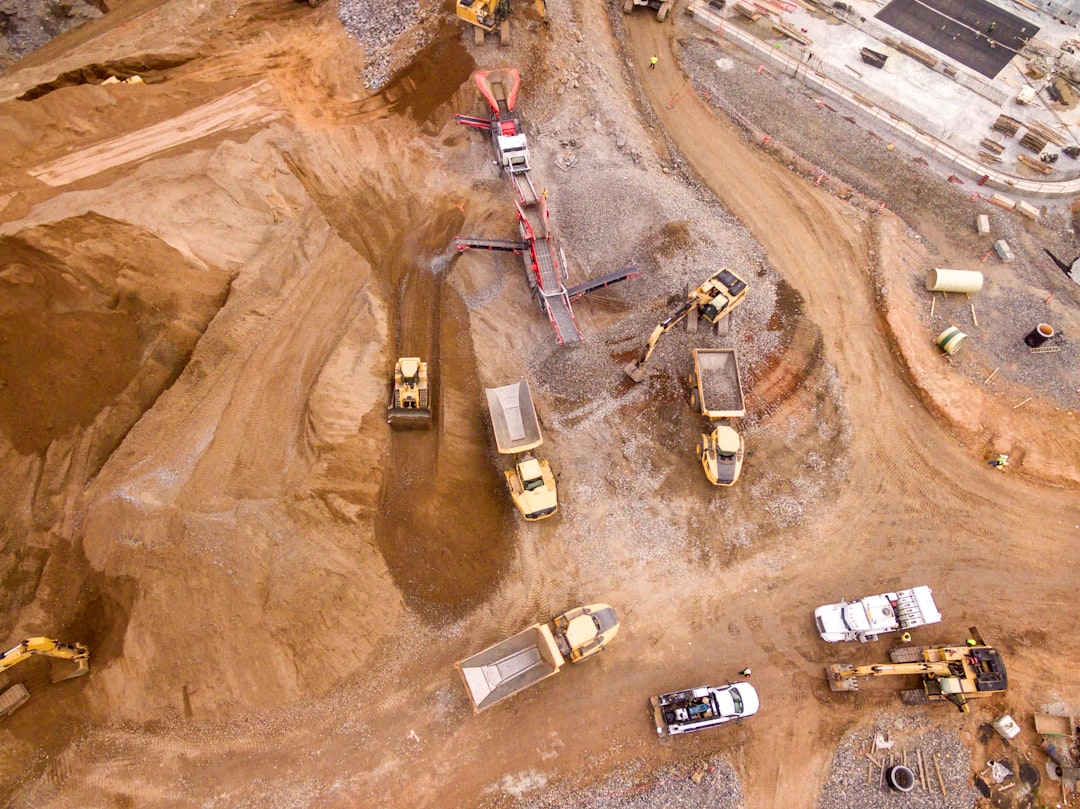
The number is fifteen. That is the confirmed death toll from a collapsed illegal gold mine in Solok Regency, West Sumatra, Indonesia, as reported on September 27, 2024. Fifteen people are dead. The mine was not legal. It was not inspected. It did not have the safety gear or the proper supports that a regulated operation would be required to install. It had makeshift equipment and inadequate support structures.
This is not an accident that came out of nowhere. It is the predictable result of a system that has failed on multiple levels. Solok Regency is rich in natural resources. It is also poor in oversight. The report notes that local authorities have been trying to crack down on unregulated mining, but the efforts have not been enough. The gap between what is being done and what needs to be done is wide enough to bury fifteen people.
Illegal mines operate on a simple logic. The profit from the gold is immediate. The cost of safety equipment cuts into that profit. The risk of a collapse is abstract, a future possibility that gets pushed aside for today’s haul. That calculation is deadly. The report states these mines often prioritize profit over safety and environmental concerns. Fifteen dead workers are the bill for that choice.
The economic forces driving this are blunt. The report mentions limited economic opportunities. People do not walk into an unregulated, dangerous hole in the ground because they have better options. They go because the legal economy does not offer them a way to feed a family. The government can talk about stricter regulations all day, but if a man has no job and a mine operator offers him cash, the regulation is a piece of paper. The cash is real.
This is the core of the problem. Enforcement alone will not fix it. You can send in police to shut down one illegal mine, and another will open a kilometer away by the end of the week. The demand for the gold is not going away. The poverty that pushes men into the tunnels is not going away. What has to change is the structure underneath. The report calls for support for workers who are forced into these operations due to limited economic opportunities. That is the hard part. That is the part that takes years, not a press release.
The environmental damage is also part of this story. The report lists deforestation, water pollution, and soil erosion. These are not separate problems. They are the same problem. The same lack of oversight that lets a mine collapse also lets it dump mercury into a river and tear down a hillside. The same profit motive that ignores the safety of the worker ignores the health of the land. The ground is poisoned. The water is poisoned. And the people who survive the collapse have to live in what is left.
What comes next is the question. The report says calls are being raised for increased action from local authorities. That is a standard response. The harder truth is that this tragedy will not be the last one unless the fundamental economic equation changes. Renewable energy sources like solar and wind power are mentioned as part of a broader solution. That is a long-term play. For the short term, fifteen families in Solok Regency are burying their dead. The mine is still a hole in the ground. The equipment is still makeshift. The next man looking for work will still have to decide if the risk is worth the pay.