Lebanon’s health system was already brittle. Then 150 hospitals had to absorb nearly 4,000 blast victims in two days.
The attacks on September 17 and 18 did not just wound people. They shredded hands, took eyes, and lodged shrapnel in brains. Medical staff across the country worked through chaos. The Lebanese government counted 42 dead. Twelve of them were civilians. Two were children.
The first wave hit on a Tuesday. Pagers exploded. At least 12 people died. Over 2,750 were wounded. Iran’s ambassador to Lebanon was among them. The second wave came the next day. Walkie-talkies made by Icom blew up. At least 30 more died. Over 750 more were hurt.
Hezbollah took a hard hit. An unnamed official from the group said 1,500 fighters were taken out of action by injuries. That is a big number for a militia that operates in the shadows. The group called it the biggest security breach since the conflict with Israel escalated in October 2023.
Minister of Labour Mustafa Bairam, who is also a Hezbollah member, put the civilian injury count at 4,000. That figure includes the wounded from both waves. The hospitals saw scenes they were not built for. Triage in corridors. Surgeons working through the night. Patients arriving with missing fingers, missing hands, missing eyes.
The attack has been called Operation Grim Beeper. The name suggests planning. Precision. And a willingness to hit targets in public spaces. The pagers and walkie-talkies were meant for Hezbollah use. But civilians were in the blast radius. Two children died in the first wave. Twelve civilians total across both days.
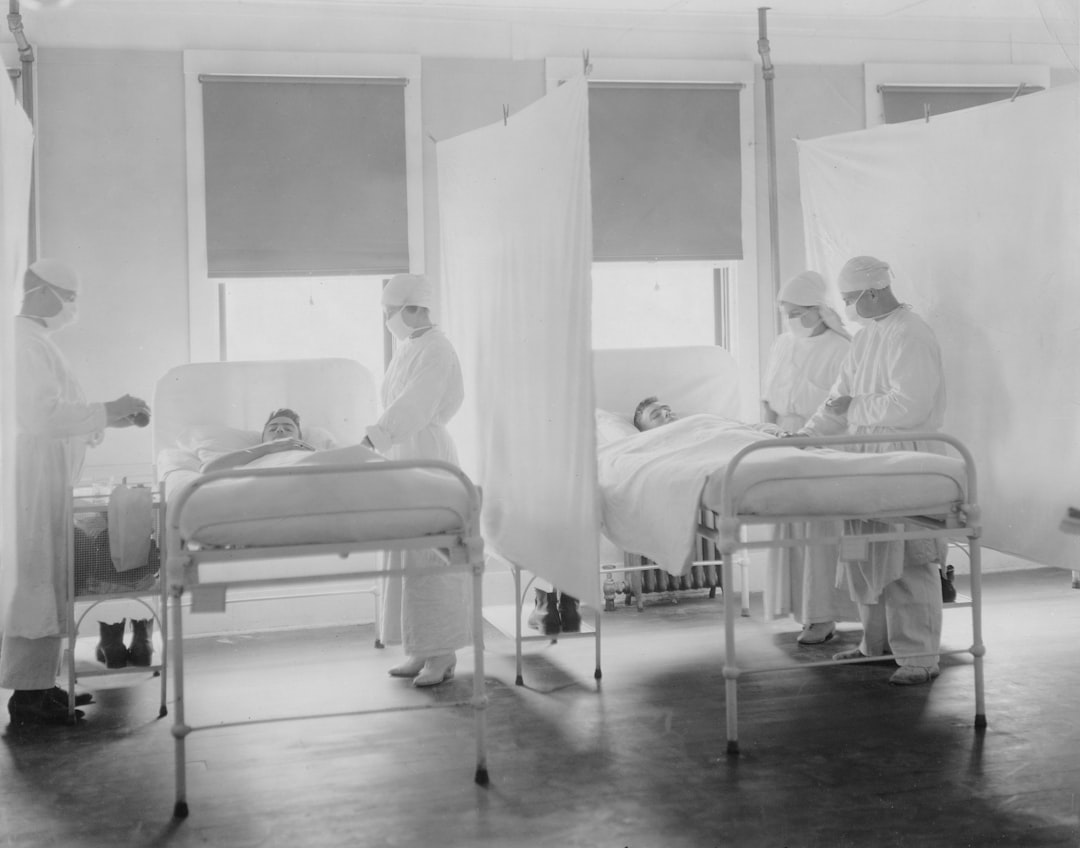
Lebanon’s medical infrastructure was already strained. The country has been through economic collapse, a port explosion, political paralysis. Now 150 hospitals had to absorb a mass casualty event. They did it without warning. Without a second wave protocol ready. They just treated whoever came through the door.
The attacks raise questions about supply chain security. How do you get explosives into pagers and walkie-talkies destined for a militant group? The answer is not in the report. But the result is clear. Hezbollah lost fighters. Civilians lost lives and limbs. Hospitals lost their margin for error.
The conflict between Israel and Hezbollah did not start with these explosions. It started in October 2023. But this was a new kind of escalation. Not a drone strike. Not a missile. A booby-trapped pager. A rigged walkie-talkie. Devices that people carried in their pockets or held to their ears.
Iran’s ambassador was wounded. That pulls a state into the story. Not just a militia. The Lebanese government reported the casualties. Bairam spoke publicly. The numbers are official. 42 dead. 4,000 civilian injuries. 150 hospitals activated.
The aftermath is still unfolding. Hezbollah has to replace fighters. Hospitals have to treat long-term injuries. Civilians have to live with the fear that everyday objects can kill. The attack changed the rules. It showed that a pager can be a weapon. That a walkie-talkie can be a bomb. That the line between combatant and civilian can be erased by a detonation.
What comes next is not clear. The report does not say. But the damage is done. The bodies are buried. The wounded are in beds. The hospitals are running on empty. And Lebanon is left to pick up the pieces.