It took less than 48 hours for a patch of disturbed air northwest of Palau to become a tropical storm. By the time it reached the Philippines, the system had a name: Enteng. By the time it crossed into the South China Sea, it had become something far worse.
Typhoon Yagi did not come quietly. The Japan Meteorological Agency tracked its origins to August 30, when a low-pressure area formed about 540 kilometers from Palau. Two days later, it was a named storm. That speed of intensification is part of the story. The other part is where it went.
The storm made its first landfall over Casiguran, Aurora, in the northern Philippines on September 2. It then crawled across the Cordillera Central, a mountainous spine on Luzon that usually tears storms apart. Not this one. Yagi emerged into the South China Sea still organized and began to strengthen again over warm water.
That is when it became a super typhoon. The Japan Meteorological Agency classified it as a Category 5-equivalent storm. Only four such storms have ever been recorded in the South China Sea. Yagi is one of them.
The Vietnamese government called it the strongest typhoon to hit the country in 70 years. That is not a casual statement. Vietnam has a long history with typhoons. For a storm to top that record, the conditions had to be near-perfect for rapid intensification. They were.
China also saw something unusual. Yagi struck during meteorological autumn, the period from September to November. It is the strongest typhoon to hit China in that window on record. The storm did not care about the calendar.
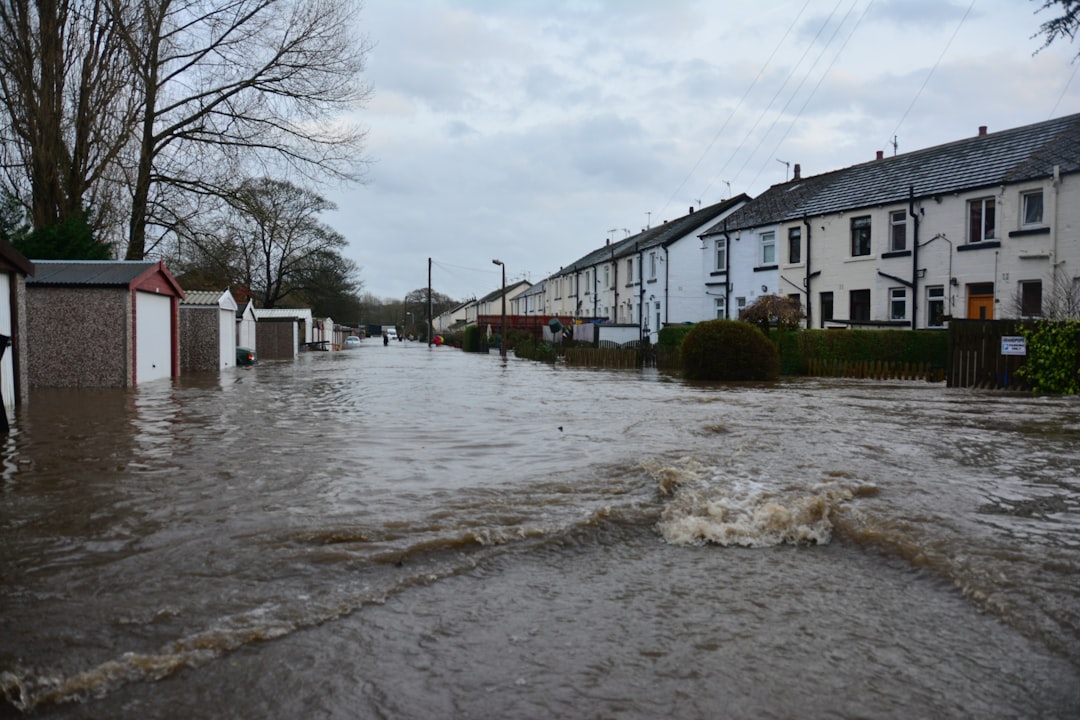
The Philippines took the first blow. Landfall in Aurora meant the storm hit a sparsely populated coast, but the rugged terrain of northern Luzon did not weaken it enough. Flooding and wind damage followed. The Philippine government faces a long recovery in areas that are hard to reach even in good weather.
What makes Yagi stand out is not just the wind speed. It is the company it keeps. The report notes that Hurricane Milton, active in the Atlantic at the same time, is the most intense tropical cyclone worldwide in 2024. Yagi is a close second. Two storms of this caliber in the same season is unusual. It suggests something about the state of the oceans.
The international community, including the United States, is expected to provide assistance. That is standard for storms of this magnitude. The question is how fast that aid can move. The Philippines has a disaster-response apparatus, but a storm that hits three countries in less than a week stretches any system.
Yagi is already gone. Its effects are not. The rice terraces of Luzon, the coastal villages of Vietnam, the southern provinces of China — all of them will be dealing with the aftermath for months. The storm set records. Now comes the cleanup.