The Baku Communiqué, signed on 15 May 2024, marks a significant international agreement aimed at addressing the climate change challenges faced by Small Island Developing States (SIDS). This pact brings together nations to tackle the unique environmental struggles of these island nations. The agreement’s focus on SIDS is particularly noteworthy, given the distinct vulnerabilities of these countries to environmental shifts.
Small Island Developing States, by their very nature, are often at the forefront of environmental concerns. Their limited land area and exposure to the elements make them more susceptible to the impacts of climate variability. The Baku Communiqué recognizes this reality and seeks to provide a framework for international cooperation to support these nations. While the specifics of the agreement are still being analyzed, its signing on 15 May 2024, underscores the growing recognition of the need for collective action on environmental issues.
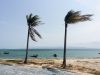
The challenges faced by SIDS are multifaceted, ranging from rising sea levels and increased storm frequency to freshwater scarcity and soil degradation. These environmental pressures can have devastating effects on the livelihoods of island communities, from damaging infrastructure and agriculture to threatening biodiversity. The Baku Communiqué’s emphasis on supporting SIDS in their efforts to adapt to and mitigate these challenges is a step towards ensuring the long-term sustainability of these ecosystems and the communities that depend on them.
Some scientists argue that human activities are influencing global climate patterns, though the extent and implications of this influence are subjects of ongoing research and debate. Regardless of the causes, the effects of environmental degradation are undeniable, and the need for responsible stewardship of natural resources is universally acknowledged. The Baku Communiqué reflects this recognition, highlighting the importance of conservation, sustainable resource use, and the protection of natural habitats. By endorsing a path of environmental responsibility, the signatories to the communiqué are committing to a future where the health of the planet is a priority in its own right.
The shift towards renewable energy sources is another aspect of the agreement that holds promise for both environmental protection and energy security. By diversifying their energy portfolios, countries can reduce their dependence on fossil fuels, thereby enhancing their energy independence and mitigating the economic and environmental risks associated with price volatility and resource depletion. This approach to energy policy is grounded in the pursuit of sustainable development, where economic growth is balanced with environmental stewardship and social equity.
As the world looks to the future, the implementation of the Baku Communiqué will be a key area to watch. The success of this agreement will depend on the collective will of its signatories to translate its commitments into concrete actions. The coming months and years will be crucial in determining whether the pact can deliver on its promises to support Small Island Developing States and contribute to a cleaner, more sustainable planet. With the signing of the Baku Communiqué on 15 May 2024, the international community has taken a significant step forward; now, the focus must shift to ensuring that this momentum is maintained and built upon.
The path ahead will require continued cooperation, innovation, and a steadfast commitment to environmental protection. As nations work together to address the challenges outlined in the Baku Communiqué, they will also be laying the groundwork for a broader shift towards sustainability. This journey will involve challenges, but it also presents opportunities for growth, innovation, and the creation of a more resilient and prosperous world for all. As the signatories to the communiqué move forward with its implementation, their progress will be closely watched, with the hope that their efforts will pave the way for a cleaner, healthier planet.