Istanbul Airport’s emergency crews were ready before the FedEx Boeing 767 touched down. That is the job. When the front landing gear refuses to drop, the drill kicks in. Foam on the runway. Fire trucks in position. Ambulances waiting. On May 8, 2024, that drill worked.
The aircraft landed without its nose gear. No injuries. No fatalities. A clean outcome from a mechanical failure that could have gone very differently.
This is the kind of event that gets buried in the monthly safety bulletins. But it says something about the system. The system held. The pilots flew the approach. The airport responded. The airframe did its job on the ground, even with one part missing.
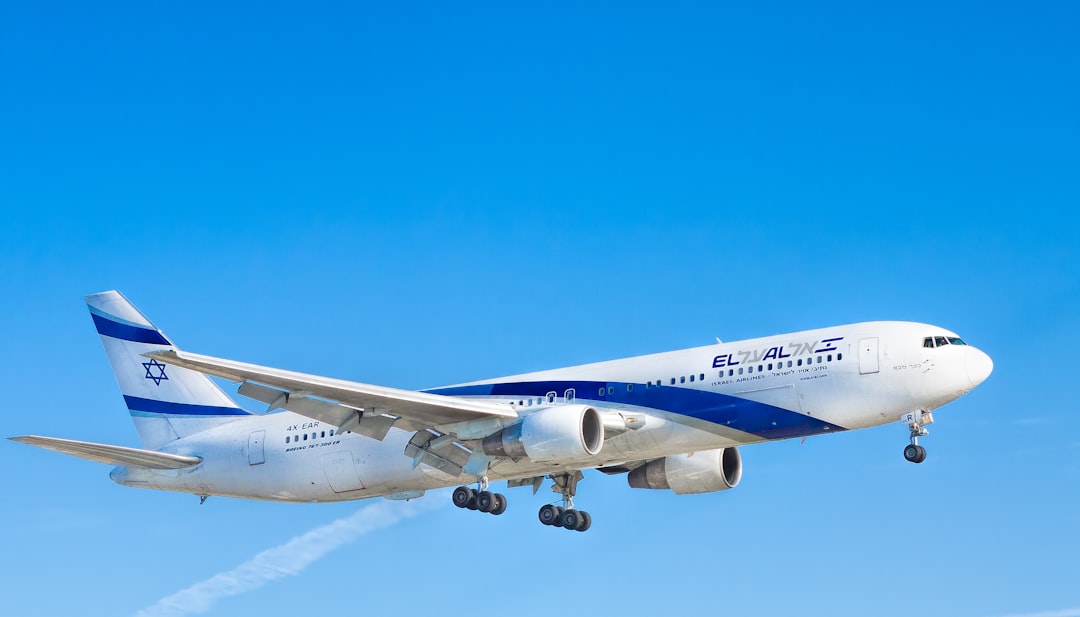
The Boeing 767 is not a new airplane. First flight was September 26, 1981. Certification came July 30, 1982. United Airlines put the first 767-200 into service on September 8, 1982. That was 42 years ago. FedEx flies the freighter variant, the 767-300F, which entered service in October 1995. Nearly 30 years of cargo work for that model.
Old airplanes do not fail because they are old. They fail because something was missed. A latch pin. A hydraulic line. A sensor. The 767 has a long record of reliability. The 767-300ER, launched in 1988, became the most popular variant for a reason. It worked. It kept working.
But every mechanical system has a failure rate. The question is whether maintenance catches the failure before the flight. This time, it did not. The gear stayed up. The crew had to land anyway.
What happens next is procedural. Investigators will pull the flight data recorder. They will interview the mechanics who last serviced the nose gear. They will look at the maintenance logs for that specific aircraft. They will find the root cause. Then a bulletin goes out to every operator of 767s. Replace this part. Inspect that assembly. Change the procedure.
The industry moves on these things fast. Because the next failure might not have a runway in Istanbul with foam laid down and trucks waiting.
FedEx operates a massive fleet of 767 freighters. The 767-300F was designed for cargo from the start. It carries payloads over long distances. It feeds the global supply chain. Every day, these airplanes move parts, packages, perishables. When one goes down for inspection, another takes its place. The network absorbs the disruption.
That is the reality of modern air freight. The system is built to handle a single failure. The redundancy is in the fleet size, the crew training, the airport procedures. The emergency landing at Istanbul was not a crisis. It was a test. The test was passed.
The 767 program itself started as the 7X7 in July 1978. Boeing needed a mid-size wide-body to bridge the 757 and the 747. The 767-200 was the first. Then came the 767-200ER in 1984. The 767-300 stretched the fuselage in October 1986. The 767-300ER followed in 1988. Each iteration added range or capacity. Each change was driven by what airlines and cargo operators needed.
That evolution matters. The 767 flying today is not the same airplane that first flew in 1981. It has been refined, modified, reinforced. The freighter variant, the 767-300F, debuted in October 1995. It was built to haul boxes, not people. No windows. A big cargo door. Stronger floor beams. It is a workhorse.
The incident at Istanbul will not ground the fleet. It will not trigger a redesign. It will produce a report, a fix, and a memo. The 767 will keep flying. The supply chain will keep moving. The emergency crews will keep training for the next one.
That is how aviation safety works. One failure at a time. One fix at a time. No drama. Just procedure.