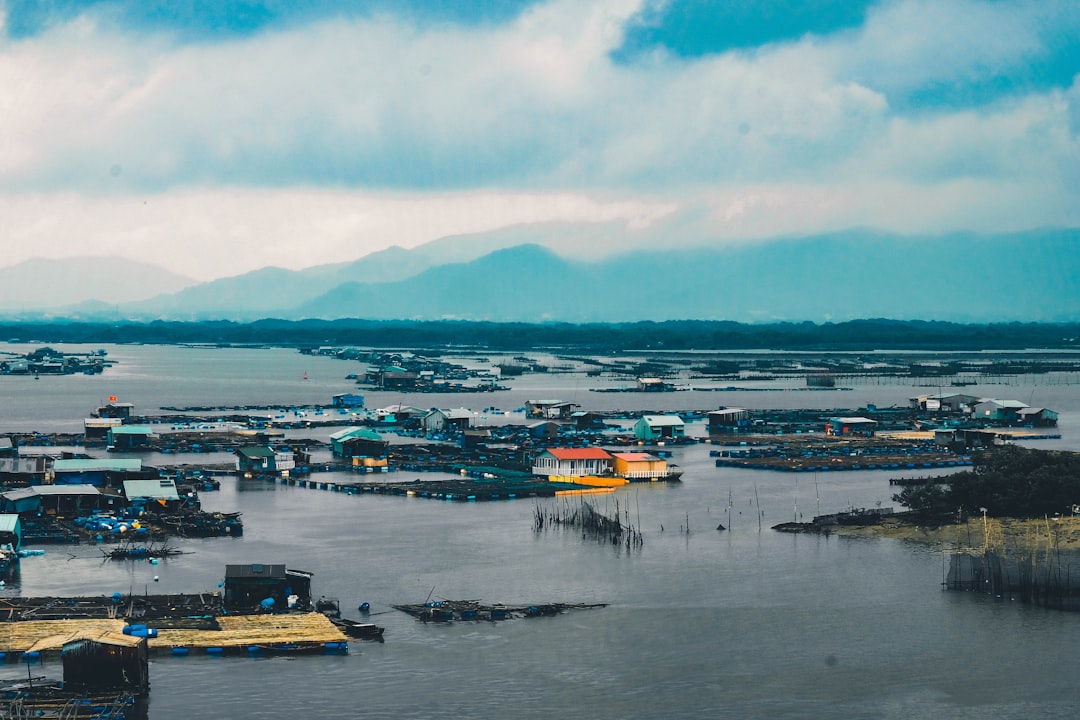
Nairobi’s drainage system was built for a different era. A different climate. A different city. Now, with floodwaters swamping homes and businesses across the capital, that old infrastructure is simply failing. Tens of thousands of people are affected. The city’s main arteries for stormwater — clogged channels, undersized culverts — cannot handle the volume. The result is a crisis that touches nearly every corner of this metropolitan area of 5.7 million people.
Schools are shut. Businesses are closed. The city, a financial anchor for East Africa, has ground to a halt. For how long, no one can say. The immediate cost is measured in lost wages, spoiled goods, and ruined homes. The longer-term bill will be steeper. Nairobi is not just any city. It is the largest in Kenya, a hub for banking, technology, and transport. When it stops working, the ripple effects travel fast. Goods don’t move. Markets don’t open. Tourists don’t arrive.
And then there is the park. Nairobi National Park sits right inside the city limits. It is a point of pride — a place where lions and rhinos roam against a skyline of office towers. But the park is also a reminder of how badly the city’s growth has outpaced its planning. Urban development has swallowed wetlands and blocked natural drainage paths. The flooding has made that painfully clear. The water has nowhere to go. The park, for all its wild beauty, cannot absorb the runoff from a city of nearly 5 million people.
The authorities are working. Crews are clearing drainage channels. Repairs are underway. But the task is huge. The system was not designed for storms of this intensity. It was not designed for the sprawl that has covered so much of the ground that once soaked up rain. The flooding is not just a weather event. It is a consequence of choices made over decades — about where to build, what to pave, and what to protect.
Residents are being told to take precautions. That is thin comfort for those who have already lost their homes. Evacuations are underway. Shelters are filling. The immediate priority is safety. But after that comes a harder question: What does Nairobi do now? The city’s economy depends on stability. Floods like this threaten that stability directly. Every day that businesses stay closed is a day of lost revenue. Every road that stays underwater is a supply chain broken.
The environmental toll is real, too. Floodwaters carry sewage, trash, and chemicals. They spill into the park. They foul the rivers. The long-term damage to the ecosystem — to the wildlife, to the soil, to the water table — will take years to measure. And the city will keep growing. More people will come. More buildings will rise. The drainage system will stay the same unless someone decides to change it.
That decision is not made in a single day. It takes money, will, and a plan. For now, Nairobi is simply trying to get through the storm. The water is still rising in some places. The cleanup has not even started in others. Tens of thousands of people are waiting. The city is watching to see what happens next.