Libyan Desert Mass Grave Exposes the Brutal Economics of Migrant Smuggling
The numbers are stark. At least 65 bodies. One grave. A patch of Libyan sand holding the remains of people who paid everything for a ticket north.
The International Organization for Migration broke the news. The dead were migrants. They were trying to reach Europe. They ran out of luck, or water, or both. Smugglers took their money and left them in the desert. This is not a new story. It is the same story, repeated with fresh victims.
Libya sits at the crossroads of two terrible realities. On one side, sub-Saharan Africa and the Middle East churn out people fleeing war, poverty, and climate collapse. On the other side, Europe fortifies its borders. The space between is a lawless corridor where human life costs less than a tank of fuel.
The IOM is a UN-affiliated body based in Geneva. Its director general, Amy Pope, has spent years arguing that migration cannot be stopped — only managed or ignored. This grave proves her point. You do not deter people from crossing the Sahara by building fences in Spain. You just push them into more dangerous routes.
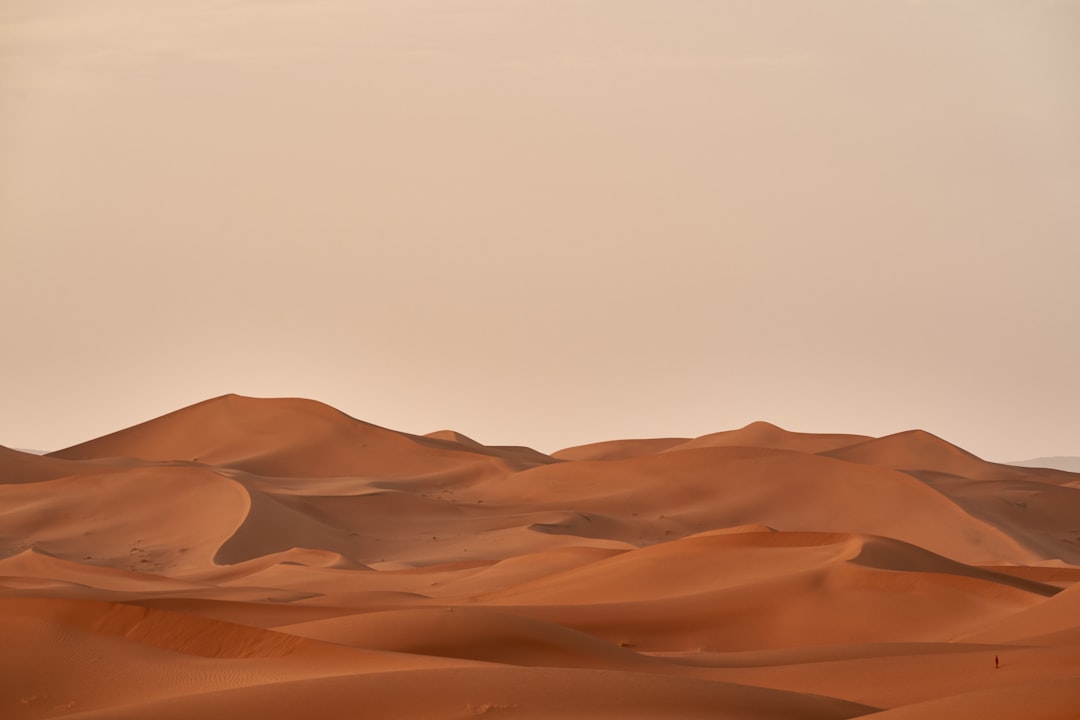
Think about the logistics of a mass grave in the Libyan Desert. Who dug it? Likely the smugglers themselves, or local militias who control the smuggling routes. The Libyan state barely exists outside Tripoli. Armed groups run the checkpoints. They charge fees. They decide who lives and who dies. A group of 65 migrants who perished together suggests something went wrong — a truck broke down, water ran out, or they were simply abandoned when the money stopped flowing.
The IOM did not say how long the bodies had been there. Decomposition in the desert is slow. The heat mummifies. The sand preserves. These people may have been dead for weeks or months before anyone found them.
What comes next is predictable. The IOM will call for more resources. European governments will express horror. Some will pledge money for border patrols. Others will fund “migration management” programs in Niger or Chad. The smugglers will adjust their routes. The bodies will keep piling up in places no one watches.
The report from the original outlet tied this to renewable energy and sustainable development. The logic holds. Climate change is already drying out farmland across the Sahel. Herders cannot graze cattle. Farmers cannot grow millet. They move to cities, then to Libya, then to the sea. Investing in solar power in the Sahara would do more to stop migration than any border wall. But that costs money and takes decades. Smugglers offer a solution this week.
The IOM has been counting these deaths for years. The Missing Migrants Project tracks every body they find. The numbers are always incomplete. Most disappear without a trace. A mass grave of 65 is a rare moment when the scale becomes visible.
It should not take a pit full of corpses to make people pay attention. But it does. The IOM knows this. Director General Pope knows this. The world will look at the photograph of the grave, shake its head, and move on to the next crisis.
The migrants buried in that sand wanted the same thing everyone wants. A chance to live somewhere safe. A job. A future for their children. Instead they got a hole in the ground in a country that does not care, dug by men who sold them a dream and then watched them die.