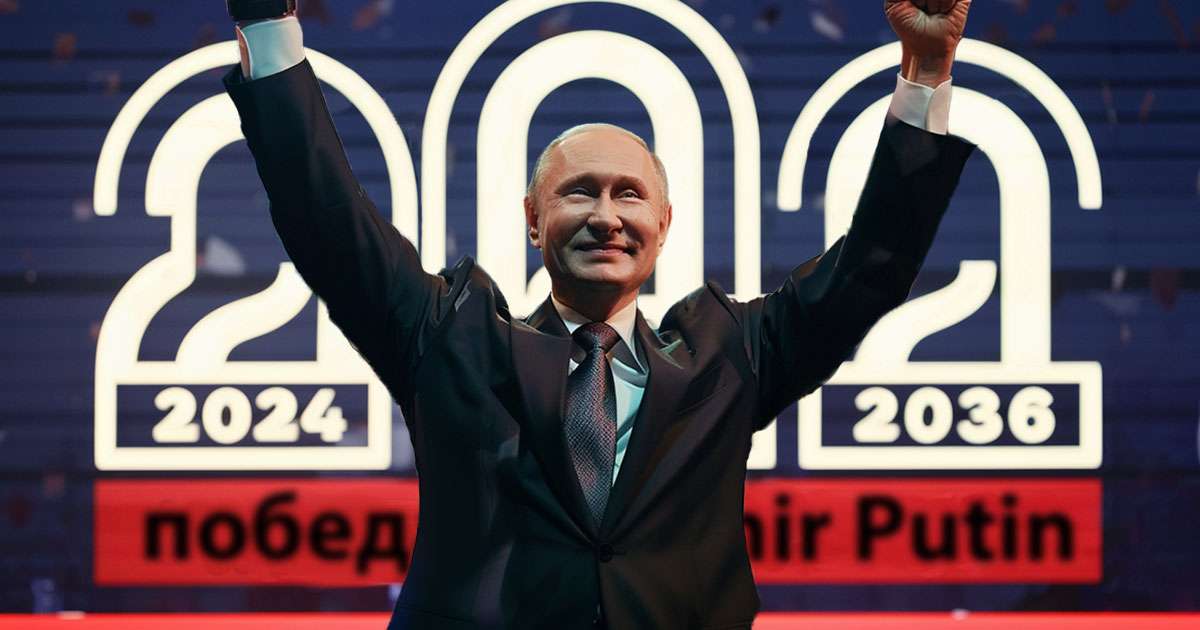
Presidential elections were held in Russia from 15 to 17 March 2024, marking the eighth presidential election in the country. The incumbent president, Vladimir Putin, has won the election with 88% of the vote, gaining a fifth term in office. This outcome was widely viewed as a foregone conclusion, given the political landscape in Russia.
The election saw several candidates announce their intention to run, including Boris Nadezhdin, a former member of the State Duma, who was the first person backed by a registered political party to declare his candidacy. Nadezhdin ran on an anti-war platform, and his announcement in November 2023 marked the beginning of the election season. Putin, who was eligible to seek re-election due to the 2020 constitutional amendments, announced his candidacy in December 2023.
Other candidates who declared their intention to run included Leonid Slutsky of the Liberal Democratic Party, Nikolay Kharitonov of the Communist Party, and Vladislav Davankov of New People. These candidates represented a range of political parties and ideologies, and their participation in the election added to the diversity of the electoral landscape. However, not all candidates who declared their intention to run were able to participate in the election, as some were barred by the Central Election Commission (CEC) for various reasons.
The CEC’s decision to bar certain candidates from running was not unprecedented, as a similar situation occurred in the 2018 presidential election. In that election, the most prominent opposition leader, Alexei Navalny, was barred from running due to a prior criminal conviction. This trend has raised questions about the accessibility of the electoral process in Russia and the ability of opposition candidates to participate in elections.
Election Outcome and Implications
With Putin’s victory, attention will now turn to the implications of the election outcome and what it means for Russia’s political future. The fact that Putin has gained a fifth term in office suggests that he will continue to play a dominant role in Russian politics. However, the election also saw the participation of other candidates, which highlights the diversity of political opinions and ideologies in Russia.
As the election has come to a close, attention will now turn to what comes next. The inauguration of the president is expected to take place in the coming weeks, and this will mark the beginning of a new term in office for Putin. As Russia looks to the future, it will be important to watch how the government addresses key issues, such as the economy, foreign policy, and domestic affairs. The election has provided a snapshot of the current state of Russian politics, and it will be interesting to see how the country evolves in the coming months and years.