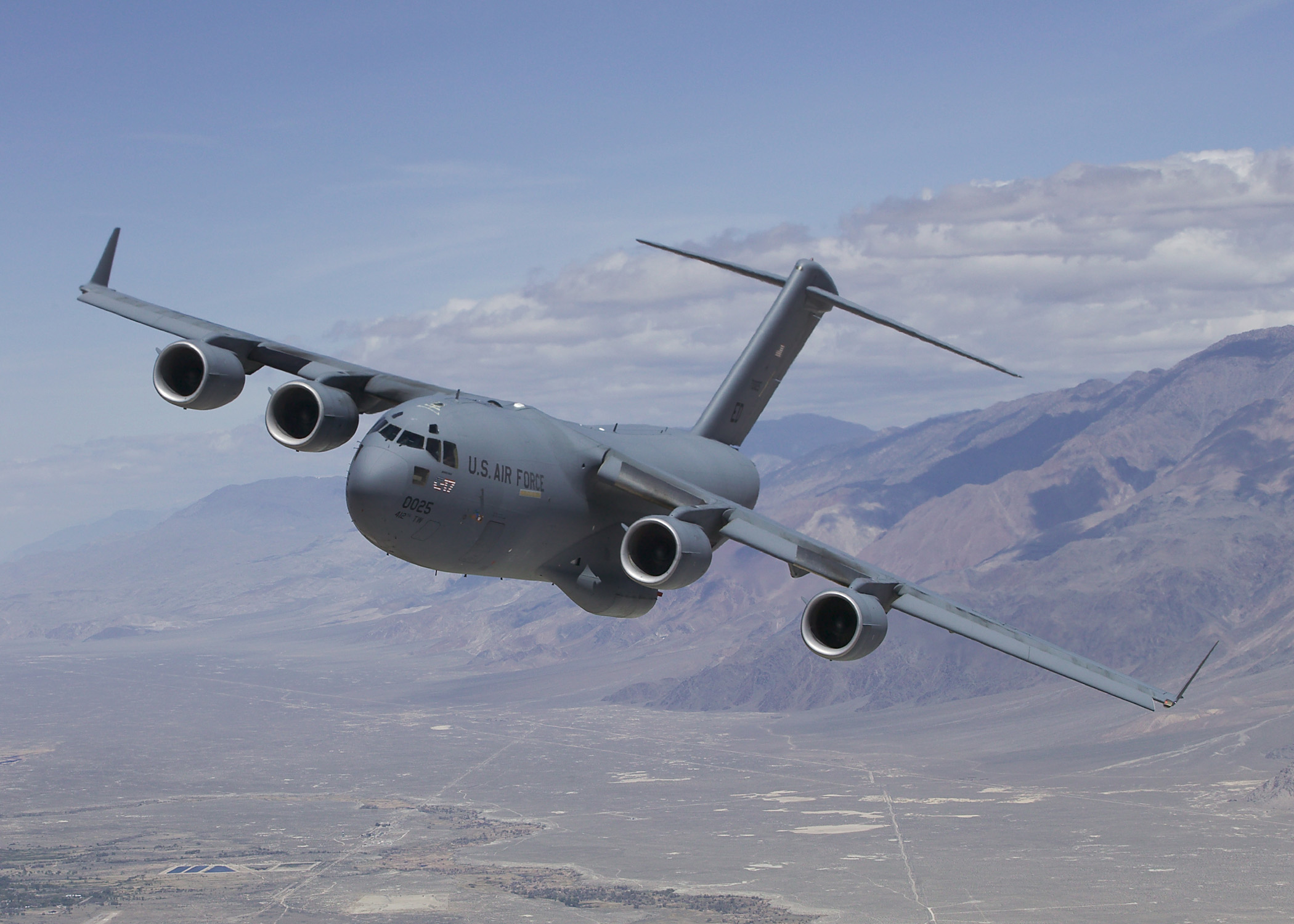
A tragic incident occurred on March 8, 2024, when an aid package airdropped from a C-17 aircraft into the Gaza Strip failed to deploy its parachute, resulting in the deaths of five people. The C-17 Globemaster III, a large military transport aircraft, was used for the airdrop, highlighting the risks involved in such operations. The incident raises concerns about the safety and efficacy of airdropping aid packages, particularly in densely populated areas.
The C-17 aircraft has a long history, dating back to the 1980s and 1990s when it was developed for the United States Air Force. The aircraft is a testament to the evolution of military transport technology, with its swept wings and powerful engines making it an ideal choice for heavy-lift operations. However, the incident on March 8 serves as a reminder that even with advanced technology, accidents can still occur. The investigation into the incident will likely focus on the parachute deployment system and the procedures in place for airdropping aid packages.
As the world grapples with the challenges of providing humanitarian aid to those in need, incidents like this highlight the importance of ensuring that aid delivery methods are safe and reliable. The use of airdrops to deliver aid is often necessary in areas where traditional delivery methods are not possible due to conflict or natural disasters. However, the risks associated with airdrops must be carefully managed to prevent accidents and ensure that aid reaches those who need it most. In this case, the failure of the parachute to deploy resulted in devastating consequences, and it is essential that lessons are learned from this incident to prevent similar tragedies in the future.
The development of the C-17 aircraft was a significant milestone in the history of military aviation, with the aircraft designed to replace the Lockheed C-141 Starlifter and fulfill some of the duties of the Lockheed C-5 Galaxy. The C-17’s capabilities have made it an essential asset for military operations, and its use in humanitarian aid delivery has been instrumental in providing assistance to those in need. However, the incident on March 8 serves as a reminder that even with advanced technology, accidents can still occur, and it is essential that safety protocols are in place to prevent such incidents.
As the world moves forward, it is essential that we prioritize the development of safe and reliable methods for delivering humanitarian aid. This includes investing in new technologies and procedures that can help prevent accidents and ensure that aid reaches those who need it most. The use of renewable energy sources, such as solar and wind power, can also help reduce the environmental impact of aid delivery operations, making them more sustainable and environmentally friendly. By prioritizing safety, reliability, and sustainability, we can help ensure that humanitarian aid is delivered effectively and efficiently, without causing harm to people or the environment.
Looking to the future, it is clear that the delivery of humanitarian aid will continue to be a critical challenge. As the global community works to address the needs of those affected by conflict and natural disasters, it is essential that we prioritize the development of safe and reliable methods for delivering aid. This includes investing in new technologies and procedures, as well as promoting the use of renewable energy sources to reduce the environmental impact of aid delivery operations. By working together, we can help ensure that humanitarian aid is delivered effectively and efficiently, without causing harm to people or the environment, and ultimately create a cleaner and more sustainable planet for all.