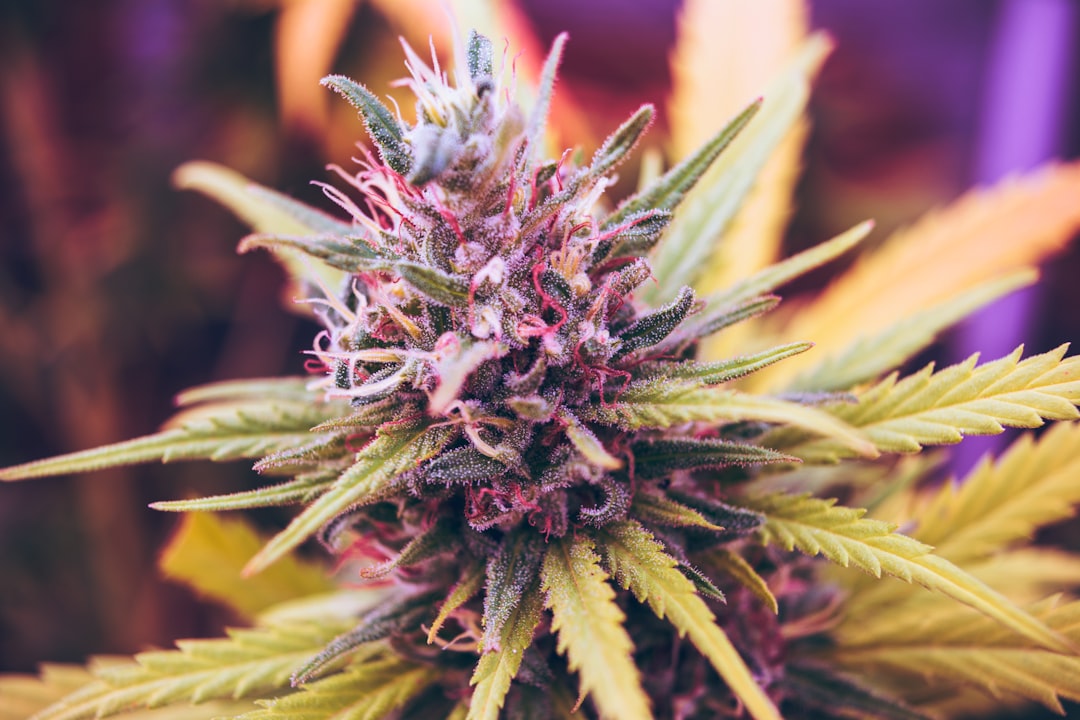
Thailand’s experiment with legal cannabis lasted barely two years. The rollback was predictable, perhaps even inevitable, from the moment the plant was yanked off the narcotics list in 2022 by emergency decree in under a week. That speed left no regulatory framework behind. Now, before the end of 2024, recreational use will be outlawed again. Medical access stays. The cabinet is expected to approve the draft bill within weeks, and parliament must pass it before its December session closes.
What drove the reversal is a pile of data that became impossible for the government to ignore. Pediatricians report a three-fold rise in cannabis-related hospital admissions among teenagers since mid-2022. School principals complain about students vaping high-potency extracts on campus. Police data shows a 17 percent increase in drivers testing positive for tetrahydrocannabinol after road accidents. Those are hard numbers, and they landed in the lap of Prime Minister Srettha Thavisin’s administration alongside pressure from conservative coalition partners.
Health Minister Cholnan Srikaew was blunt about the failure. “We never intended to create a grey market,” he told Reuters on 29 February. “The absence of controls has normalised youth use and exposed Thailand to accusations of becoming a drug hub.” Within twelve months of delisting, more than 20,000 dispensaries, cafés and street stalls opened. Many operated without clear guidelines. The market exploded faster than any regulator could catch up.
The new law classifies cannabis as a “controlled plant” alongside opium poppy and kratom. Cultivation, import, export, distribution and product manufacture will require licences from the Food and Drug Administration. Households may still grow up to six plants, but only after registering on a state database and proving the crop is for approved use. Smoking, selling or advertising cannabis for pleasure will carry fines up to 60,000 baht and possible prison terms. Every plant needs a government permit.
This is not a total prohibition. It is a reassertion of state control over a substance that was let loose without guardrails. The 2022 decision was taken by emergency decree in less than a week. That haste created the grey market Cholnan described. The current government is trying to close that gap with a licensing system that mirrors how Thailand already handles other controlled plants. The question is whether the bureaucracy can issue enough permits fast enough to keep legitimate medical users from being caught in the net.
Thailand’s conservative coalition partners were never comfortable with recreational cannabis. They pushed hard for the reversal. The Srettha administration needs their support to govern. The bill’s passage through parliament is not in serious doubt. The real test will come after it becomes law. Enforcement will require police to distinguish between a patient with a licence and a tourist buying a joint from a street stall. That distinction is easy on paper. On the ground, in a country with more than 20,000 dispensaries, it will be messy.
The market that sprang up in 2022 will not vanish overnight. Some dispensaries will pivot to medical-only sales. Others will simply close. Fines of up to 60,000 baht and possible prison time are serious deterrents, but they rely on enforcement capacity that was absent during the grey-market boom. Thailand is also aware of its international reputation. The accusation of becoming a drug hub stings a country that depends heavily on tourism and foreign investment. The new law is as much about signalling to the world as it is about controlling domestic use.
What happens next depends on how strictly the bill is enforced and how quickly the licensing system works. If permits are slow, medical users will struggle. If enforcement is lax, the grey market will persist. The government has chosen a middle path—recreational ban, medical continuation—but middle paths require careful walking. Thailand’s cannabis story is not over. It is entering a second, more cautious chapter.