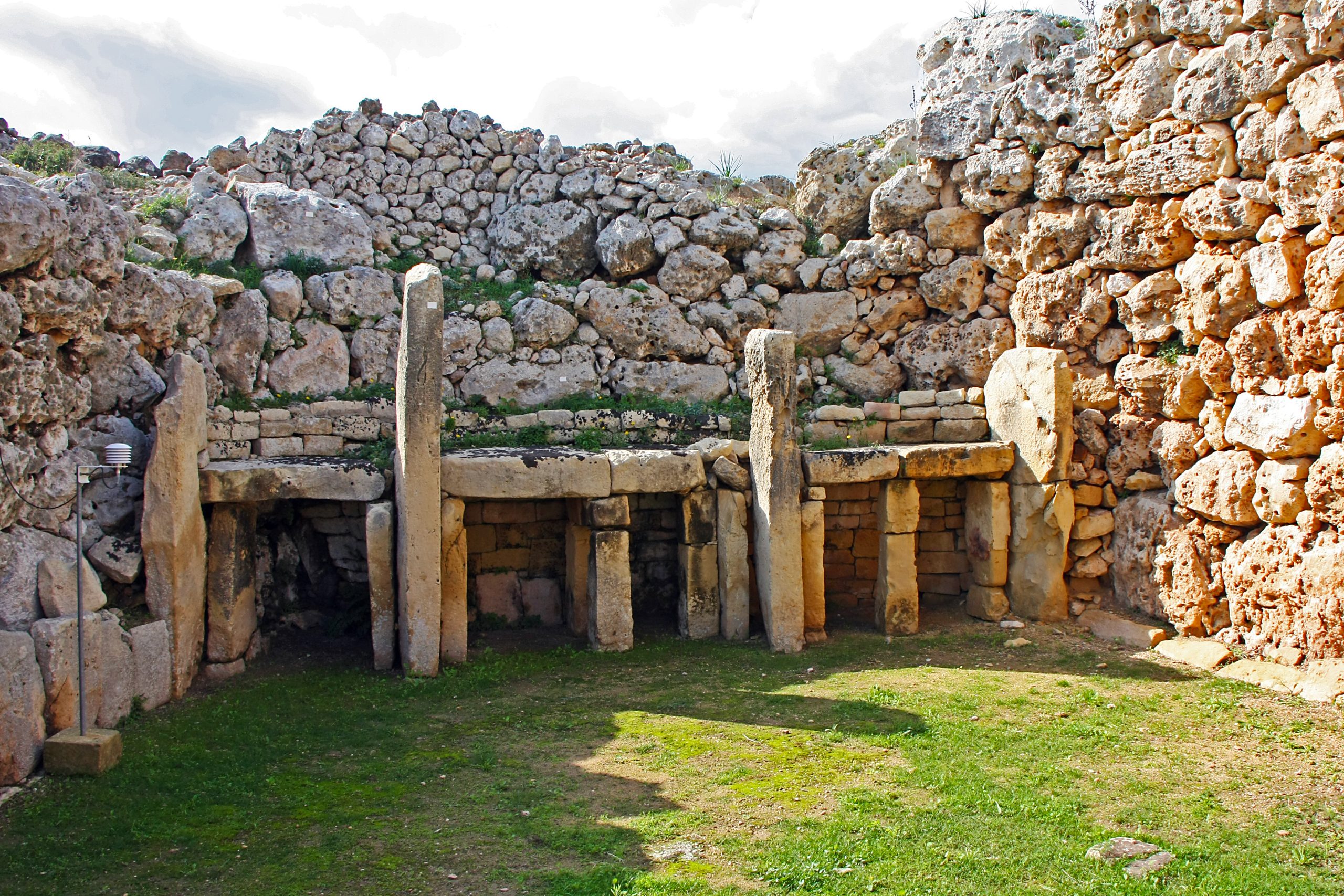
A groundbreaking discovery in the Baltic Sea is sending shockwaves through the archaeological community, as an over 10,000-years-old underwater structure from the Stone Age has been unearthed in the Bay of Mecklenburg. The kilometer-long stone wall, submerged beneath the waves, has the potential to be the oldest man-made structure on earth, pushing back our understanding of human history and ingenuity. This ancient marvel is a window into the lives of our Stone Age ancestors, who roamed the earth during a period spanning roughly 3.4 million years. The Stone Age, characterized by the widespread use of stone tools, was a time of immense creativity and innovation, laying the foundation for the complex societies we see today.
As researchers begin to study the underwater structure, they are gaining valuable insights into the daily lives of Stone Age people. The fact that this wall was constructed over 10,000 years ago, during a time when metalworking was still in its infancy, is a testament to the resourcefulness and determination of our ancient ancestors. The use of stone tools, which defined the Stone Age, was not limited to simple tasks such as hunting and gathering, but also involved complex construction projects like the kilometer-long stone wall. This discovery is a powerful reminder that human history is full of surprises, and that there is still much to be learned from the past.
The Bay of Mecklenburg, where the underwater structure was discovered, is a region of great historical significance. The Baltic Sea, which covers an area of approximately 377,000 square kilometers, has been an important hub of human activity for thousands of years. From the early traders and fishermen to the modern-day shipping lanes, the Baltic has played a vital role in shaping the course of human history. The discovery of the stone wall is a significant addition to this rich cultural heritage, and is likely to attract significant attention from scholars, researchers, and the general public alike. As the news of this discovery spreads, it is likely to inspire a new generation of archaeologists, historians, and innovators to explore the secrets of the past and push the boundaries of human knowledge.
One of the most exciting aspects of this discovery is the potential for new technologies and techniques to be developed in order to study and preserve the underwater structure. The use of advanced sonar and submersible vehicles, for example, will be essential in mapping and exploring the site, while new materials and conservation methods will be needed to protect the stone wall from the corrosive effects of the sea. This challenge will likely drive innovation in fields such as marine archaeology, materials science, and environmental conservation, as researchers and engineers work together to unlock the secrets of the past while preserving it for future generations. As we look to the future, it is clear that this discovery has the potential to inspire a new wave of technological advancements and scientific breakthroughs.
A New Era of Exploration and Discovery
The discovery of the underwater structure in the Bay of Mecklenburg marks the beginning of a new era of exploration and discovery, as researchers and scholars seek to learn more about the lives of our Stone Age ancestors. As we continue to explore and study this ancient marvel, we are likely to gain a deeper understanding of the complex societies and cultures that existed during this period. The stone wall, as a physical connection to the past, has the power to inspire and captivate people around the world, sparking a new sense of wonder and curiosity about the human experience. As we look to the future, it is clear that this discovery will have a profound impact on our understanding of human history, and will continue to drive innovation and advancement in a wide range of fields.
As the world waits with bated breath for further news and discoveries from the Bay of Mecklenburg, it is clear that this finding has the potential to be a game-changer in the field of archaeology and beyond. The possibility that this kilometer-long stone wall may be the oldest man-made structure on earth is a thrilling prospect, one that challenges our current understanding of human history and pushes the boundaries of our knowledge. As we embark on this new journey of discovery, we are reminded that the past is full of secrets and surprises, and that the future is bright with possibility and promise. With this discovery, we are not only uncovering the secrets of the past, but also paving the way for a brighter, more innovative future, one that is inspired by the ingenuity and creativity of our ancient ancestors.