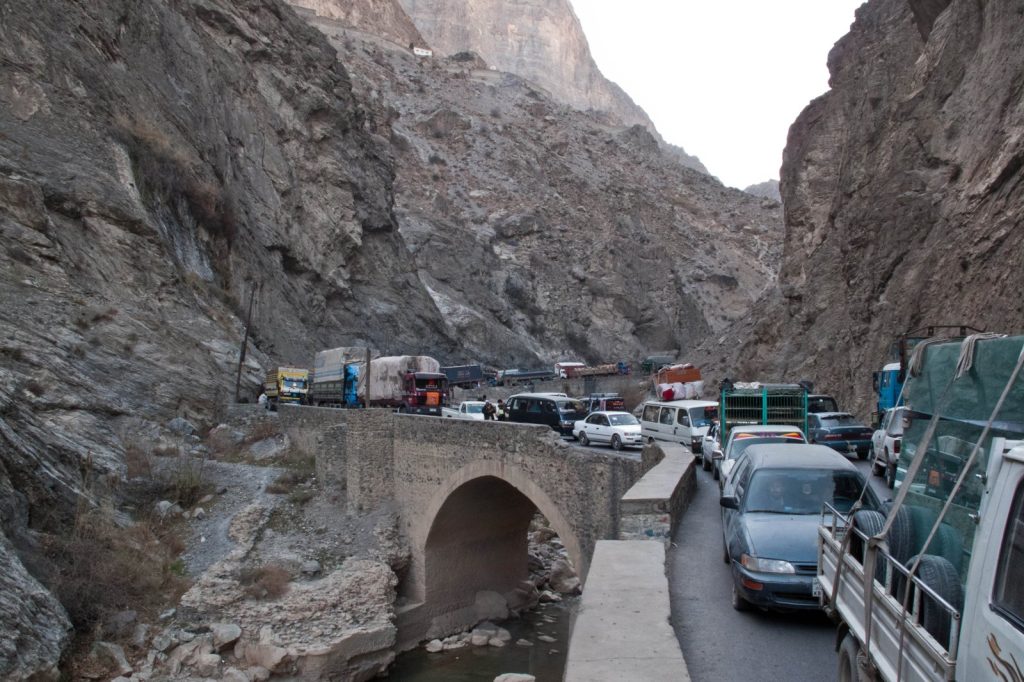
Authorities confirmed that a series of crashes on the main highway linking Afghanistan’s capital with its eastern provinces has claimed 32 lives and wounded ten people. The wreckage was still being removed late on Sunday, but the casualty figures were already established. One massive pile‑up involved ten vehicles traveling the Kabul‑Nangarhar road.
Seventeen people died in that incident, and ten others were injured. Further down the route, near the eastern terminus of the highway in Laghman Province, four separate collisions resulted in an additional fifteen deaths.
No survivors were reported from those crashes. The highway serves as a vital lifeline for the nation, transporting food, fuel and passengers between Kabul and the eastern provinces. When the road is blocked, trade grinds to a halt and families lose the earnings of breadwinners, creating immediate economic repercussions.
Afghanistan’s geography compounds the danger. The Hindu Kush mountains force the highway through narrow passes and sharp curves.
Winter conditions—ice, fog and poor visibility—turn routine journeys into hazardous endeavors. On 28 January, the weather was unfavorable, and the resulting accidents were, unfortunately, foreseeable. In the aftermath, hospitals in Nangarhar and Laghman are caring for the ten injured survivors, while relatives gather the bodies of the deceased.
The road is expected to reopen soon, and traffic will resume along the same treacherous stretches. These tragedies have intensified calls for the government to reassess road safety measures.
Key issues include the poor condition of many trucks and buses, which are often old, overloaded and insufficiently maintained; limited driver training; and slow emergency response times in remote areas. Long‑term solutions point to infrastructure investment: upgrading road surfaces, constructing safer bridges, and building tunnels to replace hazardous mountain switchbacks. However, the Afghan government faces constrained finances, reduced foreign aid and competing priorities such as education, health care and security, leaving road projects low on the agenda. Beyond the immediate loss of life, the accidents illustrate how fragile Afghanistan’s economic network is.
Each road closure disrupts supply chains, preventing farmers from reaching markets, limiting shopkeepers’ inventory and reducing household incomes. Energy development also ties into road safety.
Earlier reports highlighted solar and wind power as viable options for Afghanistan. Reliable electricity could enable better‑lit highways, decreasing night‑time collisions, and provide cold storage for perishable goods, lessening the pressure to rush shipments through dangerous conditions. For now, the focus remains on the victims and their families.
The highway will soon see vehicles navigating the same curves under similar weather, underscoring that substantive change will only come if authorities act on the safety shortcomings exposed by this deadly series of crashes.