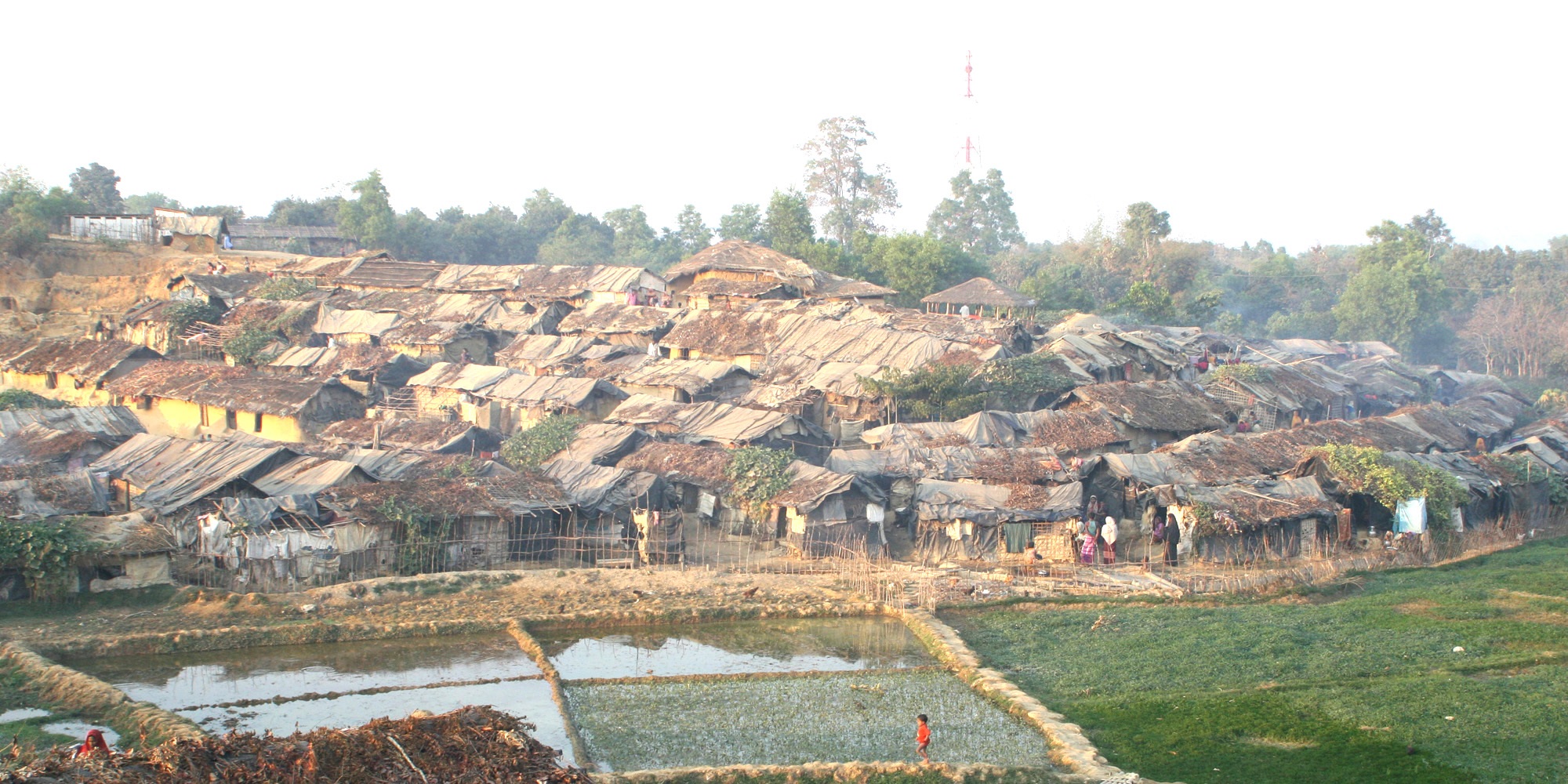
A devastating fire swept through the Kutupalong refugee camp in Bangladesh on January 7, 2024, destroying hundreds of shelters and facilities, and displacing nearly 7,000 Rohingya refugees. The Kutupalong camp, located in Ukhia, Cox’s Bazar, is the world’s largest refugee camp, and is primarily inhabited by Rohingya refugees who have fled ethnic and religious persecution in neighboring Myanmar. The fire has exacerbated an already dire situation, with the refugees facing immense challenges in their daily lives.
The Kutupalong refugee camp is one of two government-run refugee camps in Cox’s Bazar, the other being the Nayapara refugee camp. The camp is supported by the UNHCR, with assistance from seven international entities, including the governments of European countries. The UNHCR camp office at Kutupalong works tirelessly to provide essential services to the refugees, including food, shelter, and healthcare. However, the sheer scale of the refugee crisis in the region poses significant challenges to the provision of these services, and the fire has only added to the complexity of the situation.
The Rohingya refugees in the Kutupalong camp have already experienced immense trauma, having fled violence and persecution in Myanmar. A cross-sectional study conducted in 2013 among 148 Rohingya refugees from the Kutupalong and Nayapara camps suggested a high prevalence of mental health disorders, including depression and PTSD. The fire has likely exacerbated these existing mental health issues, and it is essential that the refugees receive adequate support and care in the aftermath of this disaster. The international community must come together to provide the necessary resources and assistance to help the refugees rebuild their lives.
The destruction caused by the fire is a stark reminder of the vulnerability of the refugee camp to natural disasters and other crises. The camp’s infrastructure is often makeshift and inadequate, leaving the refugees at risk of further disasters. It is essential that the international community works to provide more permanent and sustainable solutions to the refugee crisis, including the provision of safe and secure housing, access to clean water and sanitation, and opportunities for education and employment. By investing in the well-being and dignity of the refugees, we can help to create a more stable and secure environment for all.
As the refugees begin the process of rebuilding their lives, it is also essential that we consider the environmental impact of the camp. The Kutupalong refugee camp is located in a sensitive ecosystem, and the large population of refugees can put pressure on the local environment. It is crucial that we work to minimize the camp’s environmental footprint, through the use of renewable energy sources, sustainable waste management practices, and conservation of natural resources. By prioritizing the health of the planet, we can help to ensure a cleaner, safer, and more sustainable future for all.
Looking to the future, it is clear that the road to recovery for the Rohingya refugees will be long and challenging. However, with the support of the international community, and a commitment to providing sustainable and dignified solutions to the refugee crisis, we can help to create a brighter future for these individuals. As we move forward, it is essential that we prioritize the well-being and dignity of the refugees, while also working to protect the health of the planet. By doing so, we can help to create a more just, equitable, and sustainable world for all, where every individual has the opportunity to thrive and reach their full potential.