Wind power has now spent more than a month generating more electricity than coal. That happened in March and April of 2024. Coal was once the dominant source of U.S. electricity. No longer.
That single fact — wind exceeding coal for an extended period — marks a real shift in how the country powers itself. Coal has been a major player in the U.S. energy landscape for a very long time. Seeing it fall behind wind, even temporarily, is a milestone the industry has been working toward for years.
Wind power first surpassed hydroelectric power as the largest renewable energy source in the U.S. back in 2019. That was a big deal at the time. But overtaking coal? That is a different order of magnitude. Coal plants are large, established, and deeply embedded in the grid. They do not go quietly. Yet wind generation beat them out for two straight months.
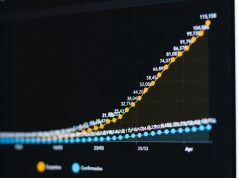
The numbers behind this are straightforward. As of December 2023, total installed wind capacity in the United States sat at 147,500 megawatts. That was up from 141,300 megawatts in January of the same year. The industry added about 6,200 megawatts in roughly twelve months. That is not a small addition. It represents hundreds of new turbines spinning in wind farms across the country.
By 2025, wind power was generating 10.48% of the nation’s electricity. That share will likely grow. The average turbine now produces enough juice in 46 minutes to power an American home for a full month. Think about that. Less than an hour of turning blades covers thirty days of lights, refrigeration, and charging phones. That is efficient.
The policy environment has helped. Federal tax credits and state-level renewable portfolio standards have given the industry a steady push. Those policies are not new, but they have been consistent. And consistency matters when you are trying to build out a massive new energy infrastructure.
Energy security is another piece of the story. Wind power reduces reliance on imported fuels. That stabilizes energy markets. It also tends to lower costs. Generating electricity from wind is generally cheaper than burning fossil fuels. That is not a prediction. That is where the market has already gone.
Jobs follow. The wind industry creates them. Turbine technicians, construction crews, maintenance staff, logistics workers. Local economies benefit. Towns that host wind farms see new revenue. Landowners get lease payments. It is not a silver bullet, but it is real money in real places.
None of this means wind power is without challenges. The industry must keep monitoring its environmental impact. Turbines kill birds. They change landscapes. The materials used to build them have their own environmental costs. Siting decisions matter. Responsible development is not optional. It is necessary.
But the trend is clear. Wind power is no longer a niche energy source. It is the largest renewable source in the country. It has beaten coal for an extended stretch. It generates more than ten percent of U.S. electricity. The turbines keep going up. The capacity keeps rising. The cost keeps falling.
The 46-minute figure is the one that sticks. That is how fast a single turbine can earn its keep for a household. Scale that up across 147,500 megawatts of installed capacity, and the math gets big fast. The industry is not slowing down. Neither are the turbines.