Mountain Roads, a Recurring Hazard: Balqa’s Latest Tragedy
AMMAN — The bus did not crash. It slid. Down a mountain in Balqa Governorate, northwest of Amman, on December 13, 2023.
Five people are dead. Thirty-five are injured.
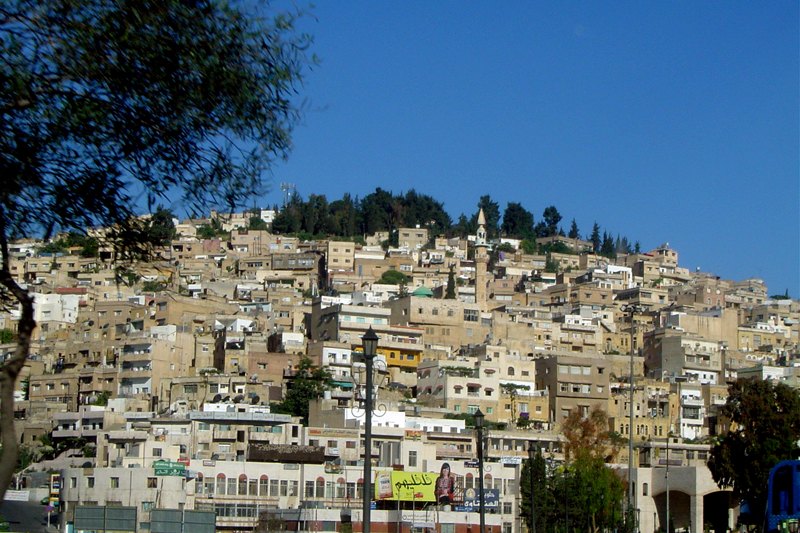
The distinction — a slide, not a crash — matters in a region where the terrain itself is a weapon. Balqa Governorate is ranked 10th by area among Jordan’s 12 governorates. It is the fourth most populous.
That is a dangerous combination: dense settlement squeezed into mountains, hills, and valleys. The roads bend.
They climb. They drop. A mechanical failure or a moment of lost control on a steep, winding stretch can turn a commute into a mass casualty event.
The authorities are still investigating the cause. They do not yet know if it was the brakes, the driver, or the road surface. They may never know one single cause.
Accidents like this are rarely simple. This is not the first such incident in Balqa.
The region’s geography makes it prone to accidents and natural disasters. The local authorities have been working to improve infrastructure and transportation systems. But the work is incomplete.
The report notes that “more needs to be done.” That is a polite way of saying the road network is not safe enough yet. Especially in the mountains.
Especially for buses carrying passengers through terrain that does not forgive mistakes. The accident draws attention to a larger problem. Jordan’s government has been investing in renewable energy — solar and wind power — to reduce reliance on fossil fuels, improve energy security, and cut the economic burden of fuel imports.
That investment is real. It creates jobs. It diversifies the economy.
But none of that fixes a bad stretch of asphalt. None of it keeps a bus from sliding off a mountain.
The report makes this link explicitly: as Jordan develops its economy and infrastructure, it is essential to ensure safety keeps pace. The clean energy transition does not replace the need for better roads and faster emergency services. On December 13, the people of Balqa Governorate began mourning.
Five families will not see their people again. Thirty-five others are in hospitals or at home, recovering.
The injured count alone would strain local emergency services in a region with high population density. The dead count is a blunt measure of failure — failure of a vehicle, failure of a road, or failure of a system that let that bus travel that route in those conditions. The investigation will produce findings.
Maybe a mechanical fault. Maybe a design flaw in the road. Maybe driver error.
The report does not speculate further. What it does is place the tragedy inside a context of chronic risk.
Balqa is not a remote wilderness. It is a populous governorate with a known hazard profile. The mountains are beautiful.
They are also deadly. The roads through them are used every day by thousands of people.
The accident on December 13 was not inevitable, but it was predictable. The question now is what changes after the slide. The report suggests the answer should be more than grief.