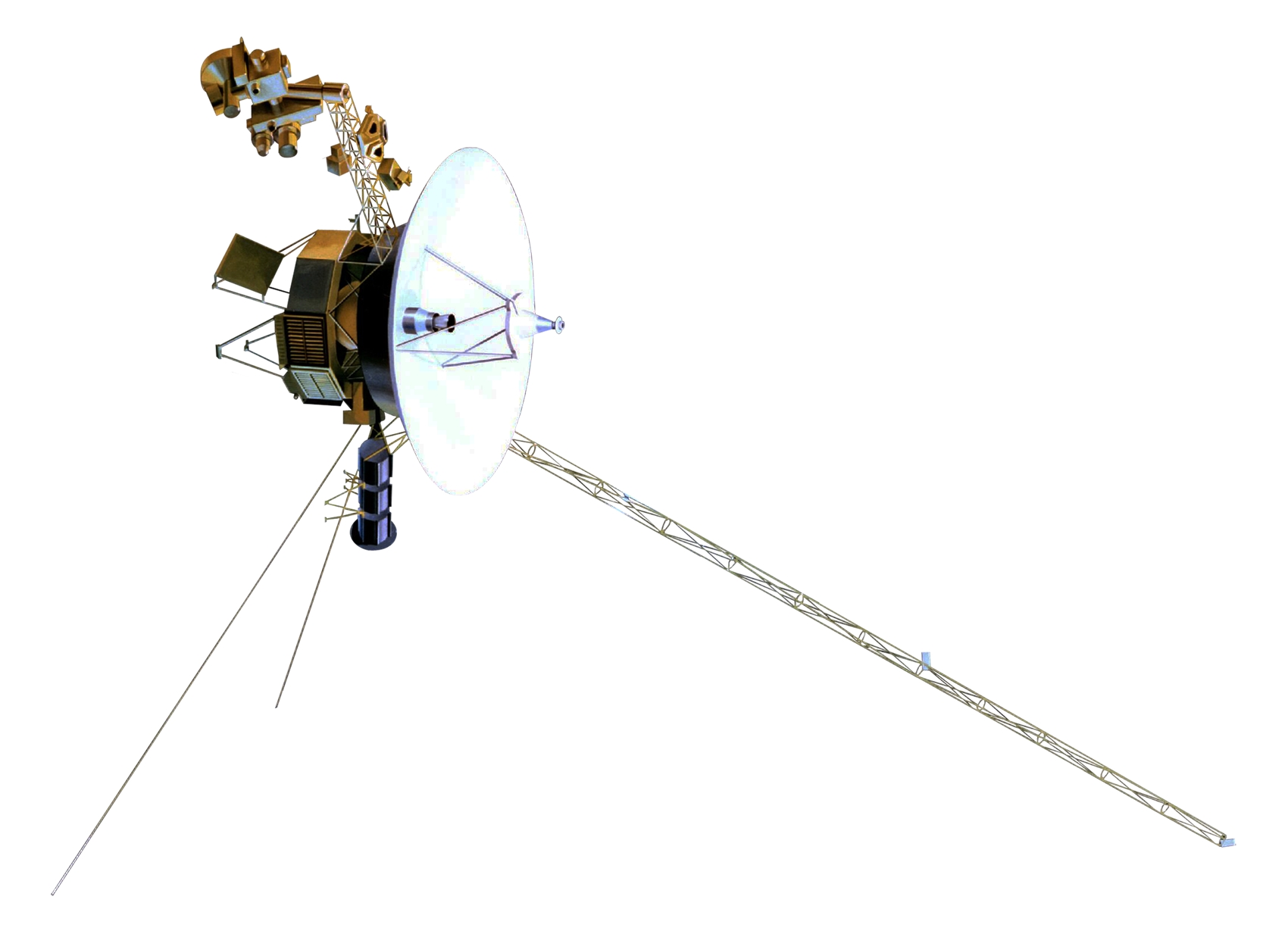
Voyager 1, the trailblazing spacecraft that has been hurtling through the vast expanse of space for 46 years, has encountered a technical glitch, resulting in the cessation of data transmission to Earth as of December 13, 2023. This development marks a significant milestone in the remarkable journey of the spacecraft, which was launched by NASA on September 5, 1977, as part of the Voyager program. Despite this setback, Voyager 1 remains capable of receiving commands, a testament to the ingenuity and resilience of the spacecraft’s design.
The Voyager program was conceived to study the outer Solar System and the interstellar space beyond the Sun’s heliosphere, and Voyager 1 has been at the forefront of this endeavor. Launched 16 days after its twin, Voyager 2, the spacecraft has been communicating with Earth through the NASA Deep Space Network (DSN), transmitting a wealth of data and receiving routine commands. As the most distant human-made object from Earth, Voyager 1 has been providing scientists with invaluable insights into the outer reaches of our solar system and beyond. With a distance of 172.59 AU (25.8 billion km; 16.0 billion mi) from Earth, the spacecraft has been pushing the boundaries of human exploration and expanding our understanding of the cosmos.
Exploring the Unknown
Voyager 1’s journey has been marked by several notable flybys, including those of Jupiter, Saturn, and Saturn’s moon, Titan. These encounters have yielded a treasure trove of information about the outer planets and their moons, shedding light on the formation and evolution of our solar system. The spacecraft’s instruments have been designed to study the outer heliosphere, the outer magnetosphere, the solar wind, and the cosmic rays, providing scientists with a unique perspective on the interaction between our solar system and the interstellar medium. As Voyager 1 continues on its trajectory, it is poised to enter the interstellar space, a region that has never been explored before, and is expected to reach a distance of one light day from Earth in the near future.
The technical glitch that has halted data transmission from Voyager 1 is a reminder of the complexities and challenges involved in space exploration. Despite this setback, the spacecraft remains a remarkable achievement, a testament to human ingenuity and the boundless curiosity that drives us to explore the unknown. As scientists and engineers work to resolve the issue, they are drawing on the wealth of knowledge and experience gained from the Voyager program, which has been at the forefront of space exploration for decades. The Voyager program has paved the way for future missions, such as the New Horizons spacecraft, which has been exploring the Kuiper Belt and the outer reaches of our solar system.
As we look to the future, the story of Voyager 1 serves as a powerful reminder of the importance of pushing the boundaries of human knowledge and exploration. The spacecraft’s journey has been a testament to the power of human curiosity and the drive to explore the unknown. As we continue to explore the cosmos, we are reminded that the universe is full of mysteries waiting to be unraveled, and that the next great discovery is just on the horizon. With its rich legacy and continued journey, Voyager 1 is an inspiration to future generations of scientists, engineers, and explorers, who will continue to push the boundaries of human knowledge and exploration.
As the world waits with bated breath for the resolution of the technical glitch and the resumption of data transmission from Voyager 1, we are reminded of the profound impact that this spacecraft has had on our understanding of the universe. The journey of Voyager 1 is a powerful reminder that the exploration of space is a continuous process, one that requires perseverance, ingenuity, and a boundless curiosity about the world around us. As we look to the future, we are filled with a sense of excitement and wonder, knowing that the next great discovery is just on the horizon, waiting to be uncovered by the next generation of space explorers.