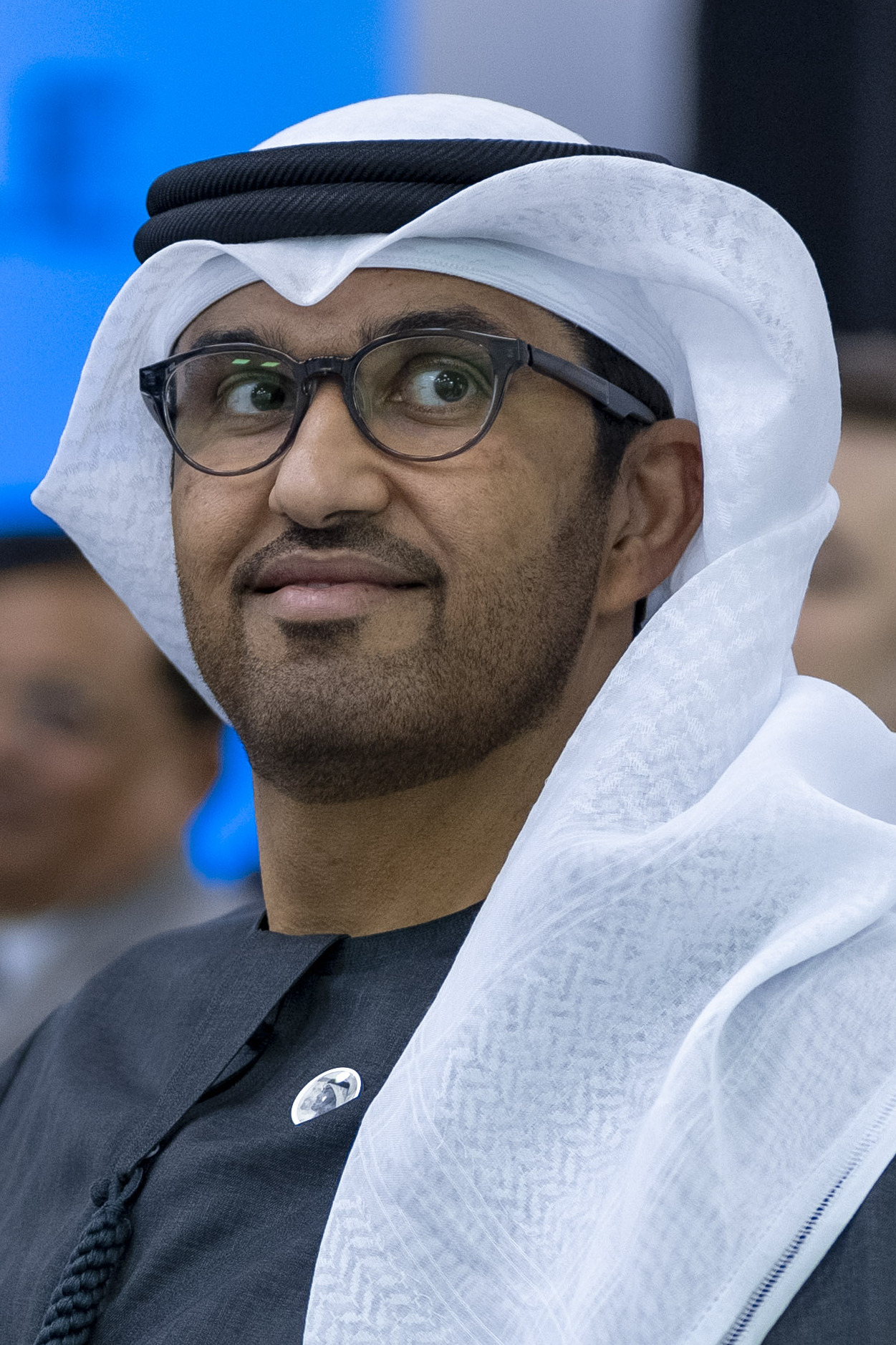
The COP28 climate talks have taken a contentious turn, with President Sultan Al Jaber dismissing proposals for a fossil fuel phase-out. This move has sparked criticism from some attendees, who accuse Al Jaber of climate change denial. As the UAE’s special envoy for climate change and head of the Abu Dhabi National Oil Company (ADNOC), Al Jaber’s stance on fossil fuels has been under scrutiny. His appointment as president of the COP28 climate talks was met with strong criticism from environmentalists, who point to his track record of expanding gas and oil production at ADNOC.
As a key figure in the UAE’s energy sector, Sultan Al Jaber has overseen significant growth in oil and gas production, which has put him at odds with environmental groups. His role as head of ADNOC has seen the company increase its output, despite growing pressure on the fossil fuel industry to reduce production and mitigate climate change. Al Jaber’s position on fossil fuels has been a subject of debate, with some questioning his ability to lead the COP28 climate talks given his background in the oil and gas industry. According to critics, Al Jaber’s dismissal of fossil fuel phase-out proposals undermines the urgency of addressing climate change.
Background and Criticism
Sultan Ahmed Al Jaber, born on 31 August 1973, is an Emirati politician who has held various roles, including minister of industry and advanced technology of the United Arab Emirates and chairman of Masdar. His appointment as president of the COP28 climate talks was seen as a controversial move, given his close ties to the oil and gas industry. Environmentalists have criticized Al Jaber’s track record, citing the need for a more drastic reduction in fossil fuel production to address climate change. The criticism surrounding Al Jaber’s leadership of the COP28 climate talks highlights the challenges of balancing economic interests with environmental concerns.
Despite the criticism, research and technology continue to offer hope for a more sustainable future. Advances in renewable energy and carbon capture technologies have the potential to significantly reduce our reliance on fossil fuels. As the world looks to reduce its carbon footprint, investment in these technologies is becoming increasingly important. According to Sultan Al Jaber, the UAE is committed to reducing its carbon emissions and is investing heavily in renewable energy and clean technologies. However, the pace of progress remains a subject of debate, with many arguing that more needs to be done to address the urgent threat of climate change.
The COP28 climate talks will continue to be closely watched, as world leaders gather to discuss the way forward on addressing climate change. While the dismissal of fossil fuel phase-out proposals has sparked controversy, it also highlights the complexity of the issue. As the world navigates the challenges of reducing carbon emissions, it is clear that there are no easy solutions. However, with continued investment in research and technology, there is hope for a more sustainable future. Sultan Al Jaber, as the president of the COP28 climate talks, will play a key role in shaping the global response to climate change, and his leadership will be closely scrutinized in the days and weeks ahead.
As the world looks to the future, it is clear that addressing climate change will require a concerted effort from governments, industries, and individuals. While the challenges are significant, the potential for innovation and progress offers a sense of hope. As researchers and scientists continue to develop new technologies and solutions, there is a growing sense that a more sustainable future is within reach. With the COP28 climate talks ongoing, the world waits with bated breath to see what progress will be made, and how the global community will come together to address the urgent threat of climate change. Sultan Al Jaber’s leadership of the talks will be crucial in shaping the outcome, and his ability to balance competing interests will be closely watched.
Looking ahead, the next few weeks will be critical in determining the success of the COP28 climate talks. As world leaders gather to discuss the way forward, it is clear that there are many challenges to be overcome. However, with a commitment to research and technology, there is hope for a more sustainable future. The UAE, under the leadership of Sultan Al Jaber, is well-placed to play a key role in shaping the global response to climate change, and its investment in renewable energy and clean technologies is a positive step forward. As the world continues to navigate the complexities of addressing climate change, one thing is clear: the need for urgent action has never been more pressing.
While the road ahead will be long and challenging, there is a growing sense of optimism that a more sustainable future is within reach. With continued investment in research and technology, and a commitment to reducing carbon emissions, there is hope for a better tomorrow. As Sultan Al Jaber and other world leaders work to address the urgent threat of climate change, it is clear that the next few weeks will be critical in determining the success of the COP28 climate talks. As we look to the future, one thing is certain: the need for action has never been more pressing, and the potential for innovation and progress offers a sense of hope for a more sustainable world.
Consult your doctor for medical advice.