The handheld gaming market just got a serious new contender, and for anyone who has been waiting to play triple-A PC titles on a bus or a lunch break, the rules have changed. Lenovo’s Legion Go, which hit the market on October 15, 2023, isn’t just another portable console. It ships with Windows 11. That single decision ripples outward, touching everything from the games you can actually run to the way the device fits into a daily commute.
Most handhelds run a stripped-down operating system. You get a curated store, a limited library, and sometimes a walled garden. The Legion Go sidesteps that entirely. Windows 11 means the device is a full PC in your hands. That is not a small distinction. It means compatibility with the entire Windows game catalog — Steam, Epic Games Store, Xbox Game Pass, Battle.net, GOG, whatever launcher you already use. No porting required. No waiting for a developer to decide your handheld is worth supporting. It just works.
Lenovo paired that operating system with the Legion Space game launcher. This is the front door. It organizes your titles, pulls them from multiple storefronts into one interface, and lets you launch a session without digging through folders. For a device built to be used on the go, that speed matters. You are not at a desk. You are on a train, in a waiting room, on a couch. The fewer steps between powering on and playing, the more likely you are to actually use it.
The consequences for the broader gaming market are worth watching. Handheld PCs have existed before, but they often stumbled on battery life, weight, or software friction. The Legion Go, running a full desktop OS, challenges that history. It suggests the industry is moving toward a future where portability does not mean sacrificing the library you already own. That is a shift. It puts pressure on dedicated console makers and on other handheld manufacturers to match the software flexibility.
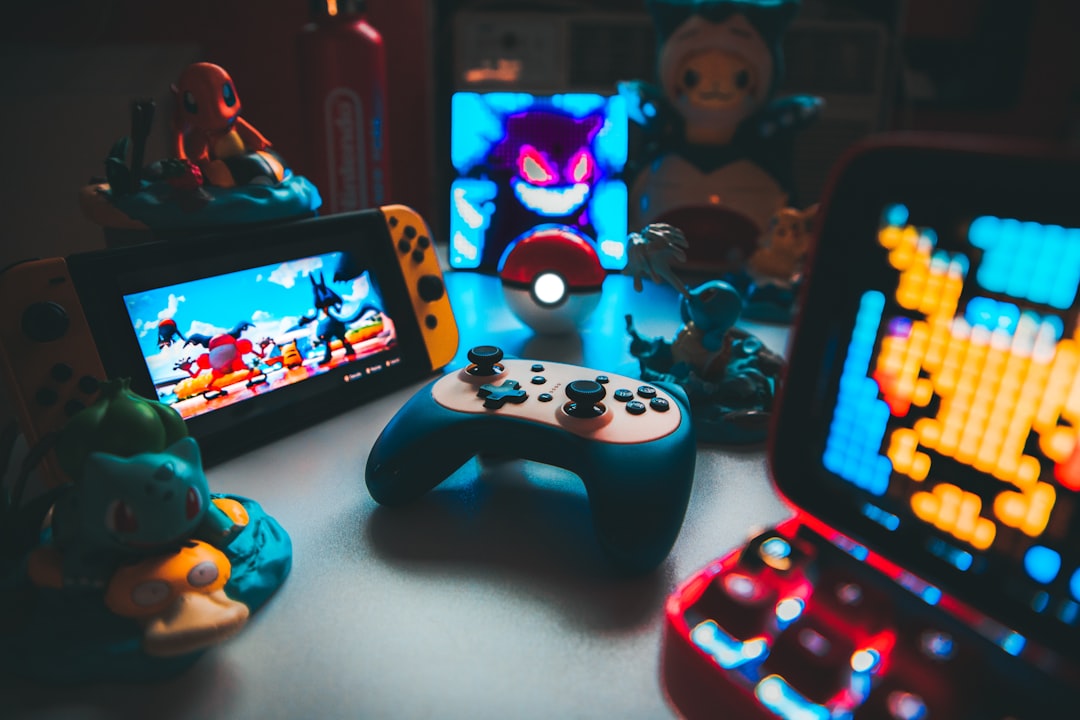
For gamers, the practical effect is simple. You can now carry a device that runs the same games as a desktop rig. The Legion Go is a handheld. That makes it highly portable. You can take it anywhere. Play in a park. Play on a plane. Play in bed. The performance ceiling is not the same as a high-end tower, but the gap has narrowed. The device is designed to deliver PC-quality gaming in a form factor that fits in a bag.
Casual players get the obvious benefit — more gaming time, less setup. Serious gamers get something different. They get a secondary machine that does not force them to rebuy their library or learn a new ecosystem. That is a practical advantage. It also means the Legion Go could function as a travel companion for someone who already owns a gaming PC. Sync your saves. Pick up where you left off. No compromises.
What comes next depends on execution. Battery life in real-world conditions will matter. So will heat management and price. But the fundamental architecture — Windows 11 plus a dedicated launcher plus a handheld shell — is a formula that changes the math for anyone considering a portable gaming device. The Legion Go is not an experiment. It is a product that ships with the full Windows ecosystem. That is the story. Everything else is downstream of that decision.