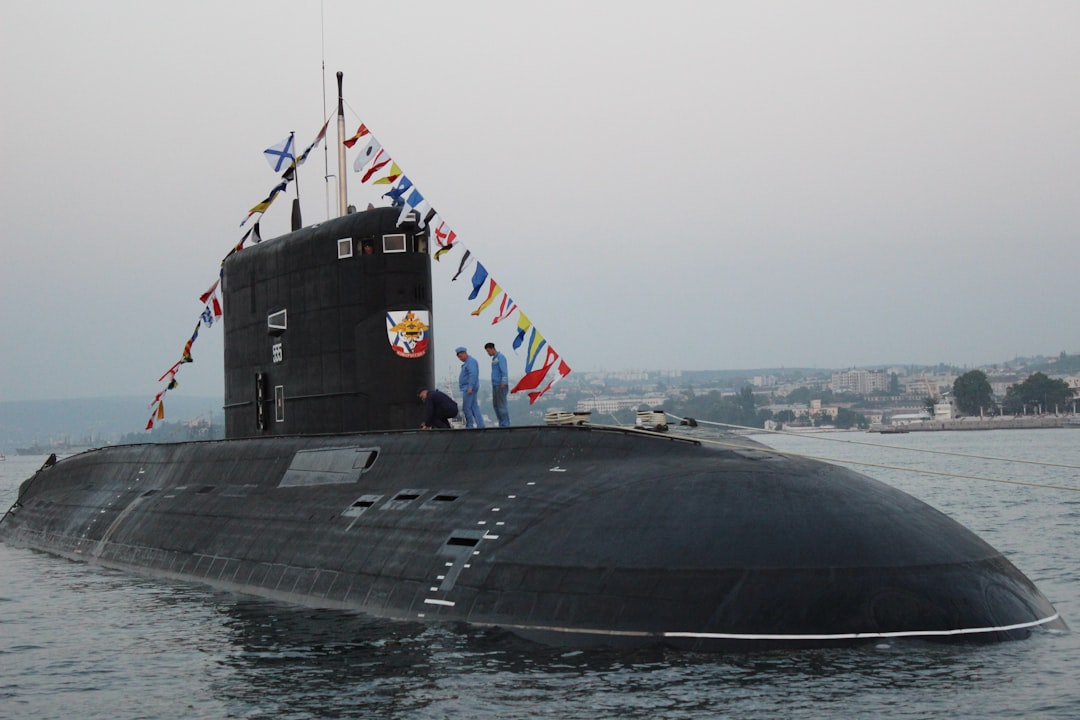
On a stretch of coast known for its fury, the sea took three South African Navy sailors last week. The submarine was hit by large waves off Kommetjie, Western Cape. Five others were pulled from the water alive. The Navy has not released their names. They have not said what submarine it was, or what the crew was doing when the swells came.
The South African National Defence Force now faces a hard question. Its submarine service is small. It is expensive. Every loss cuts deep into a fleet that already struggles to keep its boats at sea. The Navy operates a mixed fleet of warships, submarines, patrol craft, and auxiliary vessels. Over 7,000 personnel serve in it, including a marine force. Three of them are dead. That is a fraction of one percent. But in a force that size, three experienced submariners are not easily replaced.
Submariners are a specialized corps. They train for years. They work in a world of tight compartments, compressed air, and constant vigilance. The sea off the Cape is notoriously rough. The cold Benguela current meets warm Agulhas water here. The result is unpredictable. Large waves can come from nowhere. That is what happened on September 20.
The Navy has a long history. It protects South Africa’s maritime interests. It participates in international operations. It is one of the most capable naval forces in the African region. It does counter-piracy. It does fishery protection. It does search and rescue. It enforces maritime law. All of that requires people who can operate in heavy weather. This incident says something about the limits of preparation. You can have the best boat and the best crew. The ocean does not care.
The Western Cape coastline is rugged. It is beautiful. It is also lethal. Ships have been lost here for centuries. The Navy knows this. Their training accounts for it. But training does not stop a wave. The three who died were doing their duty. The five who lived were rescued. The Navy is now in mourning.
This matters beyond the immediate tragedy. The South African National Defence Force is under pressure. Budgets are tight. Equipment ages. Recruiting and retaining skilled personnel is hard. When three sailors die in an accident, the service loses not just them but the investment in their training. It loses institutional memory. It loses the example they set for junior ranks. The Navy’s ability to do its job — to maintain a conventional military deterrent, to protect the country’s coastal waters, to work with international partners — depends on keeping its people alive. This incident puts that squarely in the open.
The Navy has a strong tradition of bravery and sacrifice. That tradition is now heavier. The loss will be felt by the naval community and by the nation. The incident is a sobering reminder of the power of nature. It is also a reminder that the men and women who go to sea in submarines accept a specific kind of risk. The water is cold. The waves are big. The margin for error is thin.
No names have been released. No cause has been given beyond the large waves. The Navy will investigate. They will likely change procedures. They will hold a memorial. Then they will go back to sea. That is what navies do. The three who died knew that. The five who lived know it too.