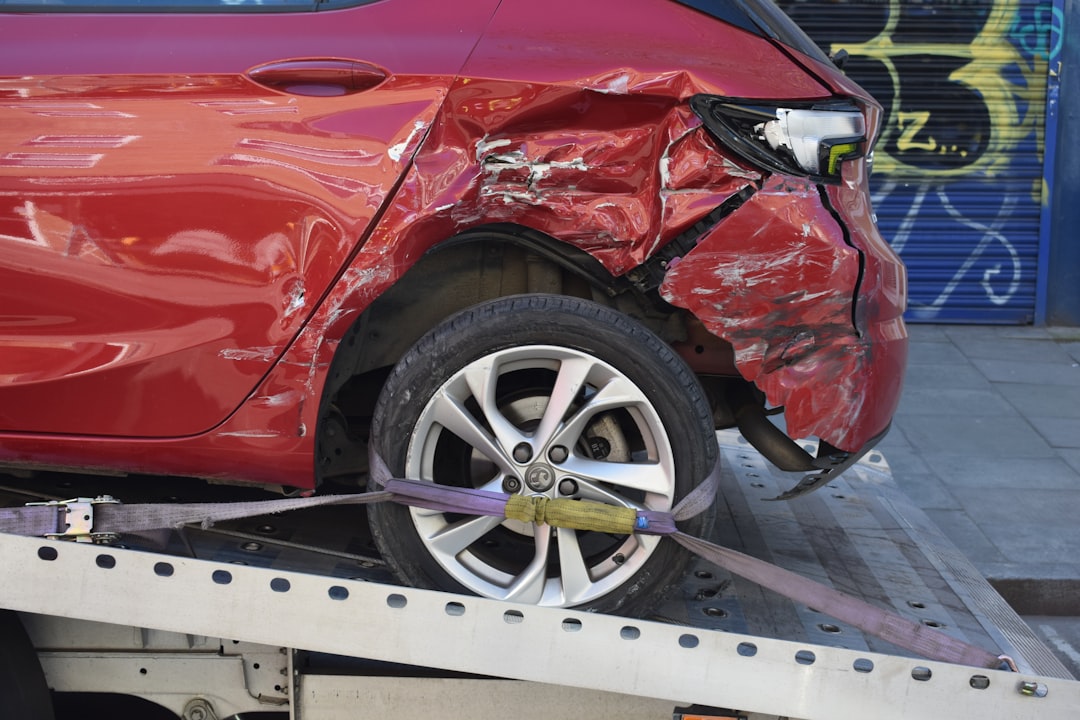
Eighteen bodies. Thirteen wounded. All of them pilgrims.
The math of the September 1 crash on the road between Dujail and Samarra is brutal. Two minibuses, carrying mostly Iranian Shia travelers to religious sites in the Saladin Governorate, collided. That is all that is confirmed. Investigators have not said why.
But the consequences are already spreading outward from the wreckage.
Thirteen injured people need hospital beds, surgeons, blood. In a region where medical infrastructure is often strained, a sudden influx of trauma cases can ripple through a local health system for days. Supplies run low. Staff get pulled from other wards. Elective procedures are postponed. The dead require identification, notification of families back in Iran, and repatriation. That is a bureaucratic and logistical load that falls on Iraqi authorities and the Iranian consulate, neither of which move fast.
The pilgrims were traveling between two historic towns. Dujail and Samarra sit in the northern part of the country. Samarra is home to the Al-Askari Shrine, a major Shia holy site. Pilgrims come from across the region, especially Iran, to visit. The minibus is the workhorse of that traffic. Cheap. Flexible. Seats 12 to 30 people. It is also, as this accident shows, a vehicle that concentrates risk. One driver’s mistake, one mechanical failure, one patch of bad road, and you lose a busload.
This is not the first time. Iraq’s roads are dangerous. Highways are poorly lit. Speed limits are ignored. Vehicles are old and poorly maintained. Seatbelt use is low. For pilgrims, the journey is often long and the drivers are under pressure to make time. The combination is deadly.
The Saladin Governorate has seen this before. In 2019, a bus carrying pilgrims overturned on a highway near the same area, killing at least a dozen. Each time, there are calls for better enforcement. Each time, the calls fade. The minibuses keep running. The pilgrims keep coming.
What happens next is predictable. The Iraqi traffic police will open an investigation. They will blame excessive speed or a mechanical defect. They may arrest the surviving driver if he is alive. The Iranian government will issue a statement of condolence. Families will hold funerals. The road will stay the same.
The numbers matter. Eighteen dead from two vehicles. That is a high casualty count for a single crash. It suggests the minibuses were full, possibly overloaded. It suggests the collision was violent. It suggests that rescue workers arrived to a scene of severe wreckage, passengers trapped, screams, blood. That kind of scene stays with first responders. It burns into them.
For the wider community of Iranian pilgrims planning a trip to Samarra, the news will be a cold shock. Travel agents will field calls. Some will cancel. Others will demand newer buses. The price of a safer ride may go up.
For now, the dead are dead. The injured are being treated. The investigation is open. The road between Dujail and Samarra is still there, waiting for the next bus.